Disability advocacy community both scared and excited about CRISPR gene editing

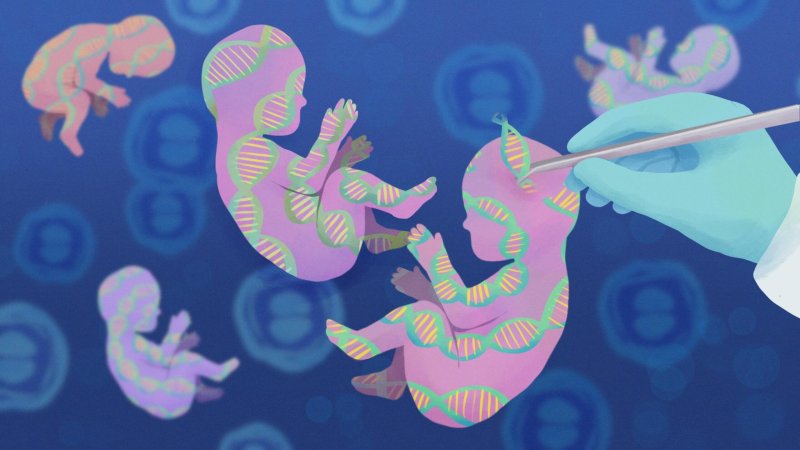
Credit: Molly Ferguson

While still highly theoretical when it comes to eliminating disabilities, gene editing has drawn the attention of the disability community. The prospect of erasing some disabilities and perceived deficiencies hovers at the margins of what people consider ethically acceptable.

โ€œPeople are understandably very scared of it, of the many different roads it could take us down as a society,โ€ said [bioethics researcher] Meghan Halley.

โ€ฆ

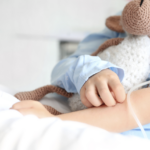
Professor Halleyโ€™sย middle child, Philip, was born with multiple anomalies of his gastrointestinal system. In addition, Philip has had a succession of health complications, including a stroke just before age 2, leading his doctors to suspect a still-unidentified genetic disorder.

Families like hers, Professor Halley said, offer good examples of โ€œvery ripe cognitive dissonanceโ€ around the topic of inheritable gene editing. As a mother, she said, she would do anything to prevent the pain her son has been through.

Follow the latest news and policy debates on sustainable agriculture, biomedicine, and other ‘disruptive’ innovations. Subscribe to our newsletter.

Yet she is aware of the inconsistency between that desire and her unwillingness to โ€œdo anything that would take away him, take away who he is,โ€ she said. โ€œAnd he is who he is partly because of the challenges he has faced.โ€

Professor Halley acknowledged the inherent tension between the huge benefits that gene-editing technology could bring in preventing serious diseases and disabilities for which there is no treatment, and what she calls the โ€œpotential risk of going down a road that feels uncomfortably close to eugenics.โ€

Read the original post

{{ reviewsTotal }}{{ options.labels.singularReviewCountLabel }}
{{ reviewsTotal }}{{ options.labels.pluralReviewCountLabel }}
{{ options.labels.newReviewButton }}
{{ userData.canReview.message }}

Related Articles

Infographic: Global regulatory and health research agencies on whether glyphosate causes cancer

Infographic: Global regulatory and health research agencies on whether glyphosate causes cancer

Does glyphosateโ€”the world's most heavily-used herbicideโ€”pose serious harm to humans? Is it carcinogenic? Those issues are of both legal and ...

Most Popular

Screenshot-2026-06-05-at-2.12.30-PM
Some plants can poison you. So how did humans figure out what is safe to eat?
Screenshot 2025-07-30 at 10.48
Can gene editing eliminate Down syndrome? Scientists have done it in lab-grown cells
ChatGPT-Image-Mar-10-2026-01_39_01-PM
Viewpointโ€”โ€œMiracle moleculeโ€ debunked: Why acemannan supplements donโ€™t work
Credit: ACSH
Viewpoint: Who and whatโ€™s to blame for the surge in vaccine-preventable diseases?
ChatGPT-Image-May-26-2026-07_51_21-AM-2
Viewpoint: There are more than 1,000 chemicals in a cup of coffeeโ€”including many substances that can cause cancer. Why isnโ€™t it banned?
Screenshot 2026-05-26 at 10.15
Viewpoint: Double standardโ€”Why does the wellness industry get a free pass while Big Healthcare is treated as morally suspect?
Screenshot-2026-06-04-at-12.05.08-PM
Cases of brain inflammation surge as U.S. measles pandemic approaches 2000
Screenshot-2026-06-05-at-11.12.44-AM
โ€˜Protecting religious liberty and parental authorityโ€™: Challenging expert guidance, Trump signs off on Kennedyโ€™s gutting of childhood vaccine schedule
Screenshot-2026-05-28-at-1.36.28-PM
Viewpoint: Can mRNA research survive the Trump administration?
Picture1
Sounds we canโ€™t hear โ€” the hidden planetary signals behind science, fear, and misinformation
ChatGPT Image May 26, 2026, 08_42_17 AM (1)
Viewpoint: Greenpeace and poison: How environmental advocacy groups rely on compliant (and often ignorant) journalists to spread disinformation and spark litigation
glp menu logo outlined

Get news on human & agricultural genetics and biotechnology delivered to your inbox.