Gene-edited crops approved by USDA jumps from 7 to 70 between 2019 and 2020

photo ciat
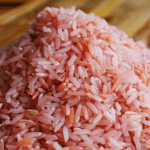
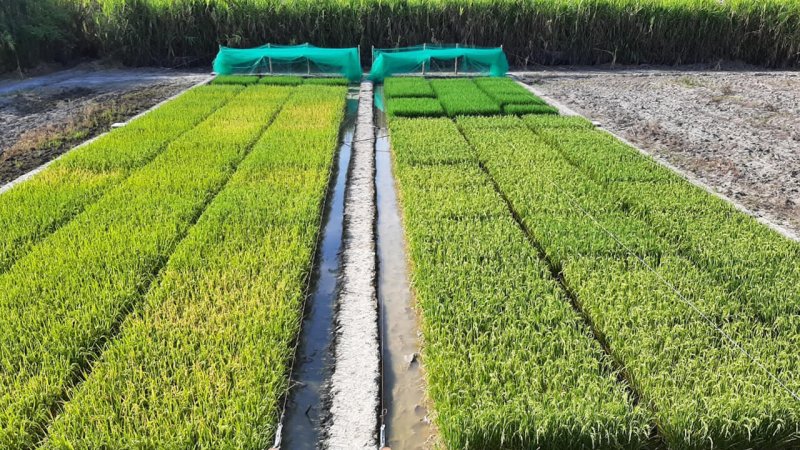
A gene-edited rice recently approved by USDA. Credit: CIAT

Signaling progress for a new kind of crop engineering, the biotech crop trait firm Cibus says it will move forward with field trials for 14 gene-edited crops including canola with a seedpod-shatter reduction trait it says will give farmers more flexibility in when they harvest.

The crops are part of this year’s batch of 70 gene-edited plants that the US Department of Agriculture says will not require the same level of testing and controls as traditional genetically modified organisms (GMOs). Last year, the first full year for current USDA guidance on gene-edited crops, only seven such crops got the green light.

Follow the latest news and policy debates on sustainable agriculture, biomedicine, and other ‘disruptive’ innovations. Subscribe to our newsletter.

According to the USDA, crops with traits that are created without using transgenes—which are genes borrowed from other species—do not meet the definition of a regulated GMO. Instead, non-transgenic gene-editing is considered a plant-breeding technology.

The precision afforded by new gene-editing techniques such as CRISPR has made it possible for many more companies to create and commercialize traits compared to older GMO practices, which require large investments and long timelines. In addition to the ag giants Corteva Agriscience and J.R. Simplot, smaller firms and start-ups including Inari Agriculture, Pairwise, and CoverCress have traits in development. A number of universities also plan to release new traits.


Read the original post

{{ reviewsTotal }}{{ options.labels.singularReviewCountLabel }}
{{ reviewsTotal }}{{ options.labels.pluralReviewCountLabel }}
{{ options.labels.newReviewButton }}
{{ userData.canReview.message }}

Related Articles

Infographic: Global regulatory and health research agencies on whether glyphosate causes cancer

Infographic: Global regulatory and health research agencies on whether glyphosate causes cancer

Does glyphosate—the world's most heavily-used herbicide—pose serious harm to humans? Is it carcinogenic? Those issues are of both legal and ...

Most Popular

Screenshot 2025-07-30 at 10.48
Can gene editing eliminate Down syndrome? Scientists have done it in lab-grown cells
ChatGPT Image May 26, 2026, 08_42_17 AM (1)
Viewpoint: Greenpeace and poison: How environmental advocacy groups rely on compliant (and often ignorant) journalists to spread disinformation and spark litigation
ChatGPT Image May 26, 2026, 08_21_36 AM
Limiting gender affirming interventions: Trump administration targets Texas even though it already bans youth access
Screenshot-2026-05-28-at-1.36.28-PM
Viewpoint: Can mRNA research survive the Trump administration?
Screenshot-2026-06-03-at-1.24.46-PM
Challenging anti-GMO disinformation: Why genetically-tweaked crops offer bushels of benefits
ChatGPT-Image-Jun-2-2026-03_04_17-PM
Viewpoint: Why the hyper-promoted doping ‘enhanced games’ pseudo Olympics flopped
ChatGPT-Image-May-26-2026-07_51_21-AM-2
Viewpoint: There are more than 1,000 chemicals in a cup of coffee—including many substances that can cause cancer. Why isn’t it banned?
Picture1
Sounds we can’t hear — the hidden planetary signals behind science, fear, and misinformation
ChatGPT-Image-Jun-3-2026-12_33_40-PM-2-1
Viewpoint—The end of ‘ivory tower science’: What does that even mean, and what comes next
Screenshot-2026-06-04-at-12.05.08-PM
Cases of brain inflammation surge as U.S. measles pandemic approaches 2000
ChatGPT-Image-Jun-4-2026-01_27_58-PM
Viewpoint—N.A.D.+: Why Gwenyth Paltrow’s heralded anti-aging supplement doesn’t work
ChatGPT-Image-Mar-10-2026-01_39_01-PM
Viewpoint—“Miracle molecule” debunked: Why acemannan supplements don’t work
ChatGPT-Image-Jun-2-2026-11_39_58-AM
Viewpoint: Who is RFK, Jr.’s newly-appointed CDC senior counselor, Sara Brenner — Vaccine skeptic and self-proclaimed “MAHA mom”
glp menu logo outlined

Get news on human & agricultural genetics and biotechnology delivered to your inbox.