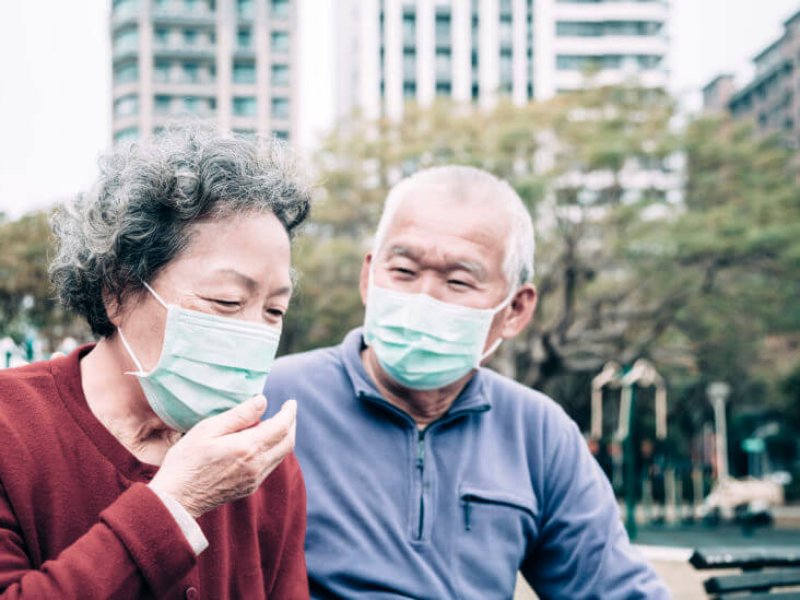
Why COVID kills more men than women

Credit: iStock
Credit: iStock

For every 10 women claimed by [COVID] in the United States, 12 men have died, found an analysis by Global Health 50/50, a U.K.-based initiative to advance gender equality in health care.

But the specialized group of researchers who study that relationship was not surprised. It prepared an array of hypotheses. One possible culprit was male behavior. Perhaps men were more likely to be exposed to the virus due to social factors; a disproportionately male workforce, for instance, could place more men in contact with infected people. Or men’s lungs might be more vulnerable because they were more likely to smoke in the earliest countries to report the differences.

What has become more evident, 10 months into this outbreak, is that men show comparatively weaker immune responses to coronavirus infections, which may account for those added deaths.

Follow the latest news and policy debates on sustainable agriculture, biomedicine, and other ‘disruptive’ innovations. Subscribe to our newsletter.

Women generally have stronger immune systems, thanks to sex hormones, as well as chromosomes packed with immune-related genes. About 60 genes on the X chromosome are involved in immune function, Johns Hopkins University microbiologist Sabra Klein told The Washington Post in April. People with two X chromosomes can benefit from the double helping of some of those genes.


Read the original post

{{ reviewsTotal }}{{ options.labels.singularReviewCountLabel }}
{{ reviewsTotal }}{{ options.labels.pluralReviewCountLabel }}
{{ options.labels.newReviewButton }}
{{ userData.canReview.message }}

Related Articles

Infographic: Global regulatory and health research agencies on whether glyphosate causes cancer

Infographic: Global regulatory and health research agencies on whether glyphosate causes cancer

Does glyphosate—the world's most heavily-used herbicide—pose serious harm to humans? Is it carcinogenic? Those issues are of both legal and ...

Most Popular

Screenshot-2026-03-13-at-12.14.04-PM
The FDA wants to make many popular prescription drugs OTC—a great idea. Here’s why it’s unlikely to happen
Screenshot-2026-05-04-at-12.54.32-PM
How Utah became the country’s supplement capital  — and a haven for unregulated, ineffective and fake products
Screenshot-2026-04-20-at-2.26.27-PM
Viewpoint — Food-fear world: The latest activist scientists campaign: Cancer-causing additives
Screenshot-PM-24
Viewpoint: The herbicide glyphosate isn’t perfect. Banning it would be far worse.
images
The never-ending GMO debate: Pros and cons
Screenshot-2026-05-01-at-11.56.24-AM
‘Science moves forward when people are willing to think differently’: Memories of DNA maverick Craig Venter
Screenshot-2026-04-03-at-11.15.51-AM
Paraben panic: How a flawed study, media hype, and chemophobia convinced the public of the danger of one of the safest classes of preservatives
Screenshot-2026-04-30-at-2.19.37-PM
5 myths about summer dehydration that could damage your health — or even kill you
ChatGPT-Image-May-1-2026-02_20_13-PM
How RFK, Jr.’s false vaccine claims are holding up $600 million to fight diseases in poor countries
bigstock opioids on chalkboard with rol
GLP podcast: 'Safe injection sites': enabling drug addiction or saving lives?
glp menu logo outlined

Get news on human & agricultural genetics and biotechnology delivered to your inbox.