‘Stop conflating all biotechnology with genetic engineering’: The case for more refined USDA regulations

Credit: Jane Borstad

Policymakers had known for years that the U.S. regulation of crop biotechnology was out of date, and by 2016, discussions were already underway to revamp the legal texts …. But unfortunately, the United States remains ill-equipped to make decisions about certain classes of emerging crop biotechnologies before they hit the market. If legal definitions of agricultural biotechnology don’t keep up with these advances, we will repeatedly encounter regulatory ambiguity that delays assessment of valuable technology and degrades public trust.

Mis- and disinformation are distorting science and public policy. Subscribe to our Daily and Weekly Digests for incisive coverage of ‘disruptive’ innovations in AI, agricultural biotechnology, food, chemicals, nuclear energy, vaccines, and other disruptive innovations.

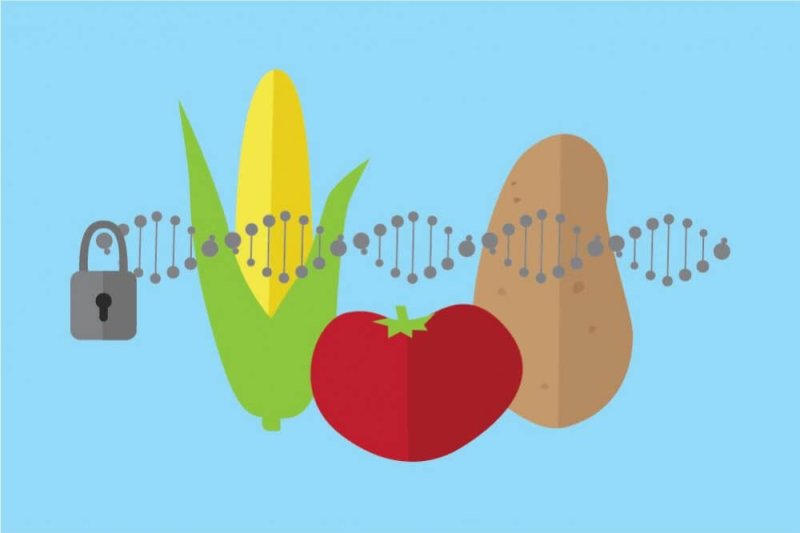
We need to stop conflating all biotechnology with genetic engineering. When policymakers, popular media, and sometimes even scientists use terms like “biotechnology,” “bioengineering,” “genetic engineering,” “gene editing,” and “GMO” interchangeably, it isn’t just frustrating. It is inaccurate. As we have seen, the way “biotechnology” and “genetic engineering” are basically used as synonyms in the U.S. Coordinated Framework overlooks emerging gene expression techniques that do not modify DNA sequence. Many agricultural biotechnologies have absolutely nothing to do with gene sequence or even gene expression, like targeted protein degradation methods that are already in commercial development.

Differentiating between biotechnology techniques in our policy definitions may seem tedious, but it is important for all stakeholders involved. 

Read the original post

Related Articles

Infographic: Global regulatory and health research agencies on whether glyphosate causes cancer

Infographic: Global regulatory and health research agencies on whether glyphosate causes cancer

Does glyphosate—the world's most heavily-used herbicide—pose serious harm to humans? Is it carcinogenic? Those issues are of both legal and ...

Most Popular

ChatGPT-Image-Sep-23-2026-02_36_39-PM
Viewpoint: After firing the entire National Science Board, Trump reshapes funding initiatives. Here’s the good and the bad.
ChatGPT-Image-Mar-10-2026-01_39_01-PM
Viewpoint—“Miracle molecule” debunked: Why acemannan supplements don’t work
sorghum farmers in kenya FARMERS TREND
Here are all the ways CRISPR gene editing is transforming Africa’s staple crops—and there’s a lot more innovation to come
ChatGPT-Image-Sep-10-2026-10_36_07-AM
Viewpoint: Even lousy scientific articles can shield authors when they hype dubious health claims and products
ChatGPT-Image-Sep-30-2026-01_25_34-PM
Blood tests for Alzheimer’s? The latest grifter, social media scam.
ChatGPT-Image-Sep-30-2026-01_38_36-PM
Viewpoint: Died “with measles” vs. died “from measles”: RFK, Jr.’s dangerously subversive word games
ChatGPT-Image-Sep-30-2026-01_11_07-PM
How U.S. teamed with Russia to block global human AI weapons oversight
Screenshot-2026-10-01-at-11.21.27-AM
Vaccine hesitancy, like malaria, surges globally, topping 35% in some countries
ChatGPT-Image-Sep-21-2026-03_15_09-PM
Viewpoint: Chipotle-inspired lesson: 10,000 sick customers suggest that processed foods can be safer than fresh ones
glp menu logo outlined

Get news on human & agricultural genetics and biotechnology delivered to your inbox.