Purchase orders have already been received for the entire 5-metric ton haul, with distributors touting the salmon’s sustainability, good taste and firm texture as strong selling points with consumers. It’s the first GM animal approved for human consumption — a process that took AquaBounty nearly three decades and cost well over $80 million.
“AquaBounty’s sustainable land-based operations have a lower carbon footprint with reduced transportation requirements than Atlantic salmon that we import from other suppliers, and that’s exactly what this industry needs to feed a growing population,” said Joe Lasprogata, vice president, New Product Development at Samuels and Son Seafood Co., a Philadelphia-based seafood distributor of AquaBounty’s Atlantic salmon. “AquaBounty’s genetically engineered salmon is a reliable and efficient source of salmon that is a product of the U.S.A., tastes delicious and looks great. We can’t wait to share this with our customers.”
The AquAdvantange salmon has been engineered to grow to market weight in about half the time of a typical Atlantic salmon. This reduces the amount and cost of feed that is needed to produce the fish. AquaBounty can produce up to 70 percent more fresh salmon annually compared to conventional Atlantic salmon grown in the same period under the same conditions. The GM salmon are also free of antibiotics and ocean contaminants.

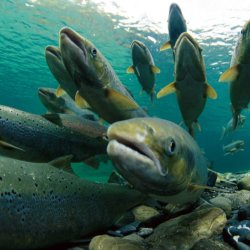
Other factors also contribute to its sustainability. Unlike most farmed fish, which are raised in sea cages that generate marine pollution, AquAdvantage are raised in fully contained, inland pens. Controlling the growing environment prevents exposure to parasites and pathogens that can lead to disease. This approach also ensures that the fish, which could not survive in the wild, anyway, do not enter any waterways. By locating salmon farming operations on land and following strict bio-security measures with multiple layers of containment that prevent escapes, AquaBounty helps protect the wild salmon populations and native fisheries that are so important to Indigenous communities and others.
Salmon are in high demand, causing stress on imperiled wild populations and prompting the import of salmon raised internationally, thus contributing to carbon emissions.



“I’m proud to see AquaBounty reach this important milestone using science and technology to provide sustainable seafood for a growing population,” said AquaBounty CEO Sylvia Wulf. “Our land-based aquaculture technology allows us to bring to market a healthy protein source. By raising our fish in freshwater from hatch to harvest, we offer an Atlantic salmon with a fresh, mild taste that consumers will enjoy.”
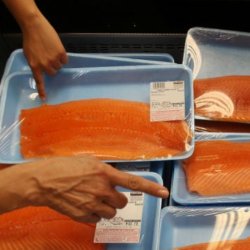
“AquaBounty’s salmon represents a critically important solution to meeting growing consumer demand and does so in a way that is sustainable,” said AquaBounty Executive Chef Charlie Baggs of Charlie Baggs Culinary Innovations. “Their Atlantic salmon provides foodservice operators and retailers with salmon locally raised and harvested in the U.S.A, which is good for the environment and their customers. After tasting the product, the quality is excellent with firm texture, vibrant color and a clean taste. I believe these positive attributes will drive consumer purchases.”
Wulf agreed. “We have received very positive interest from a variety of customers representing seafood distributors, food service operators and retailers and are thrilled that the first harvest is already fully committed. It is gratifying to see that our customer partners understand the many benefits AquaBounty’s Atlantic salmon provide, and that they embrace technology that will bring more food to more people in a cost effective and sustainable manner.”
A version of this article was originally posted at the Cornell Alliance for Science and has been reposted here with permission. The Cornell Alliance for Science can be found on Twitter @ScienceAlly