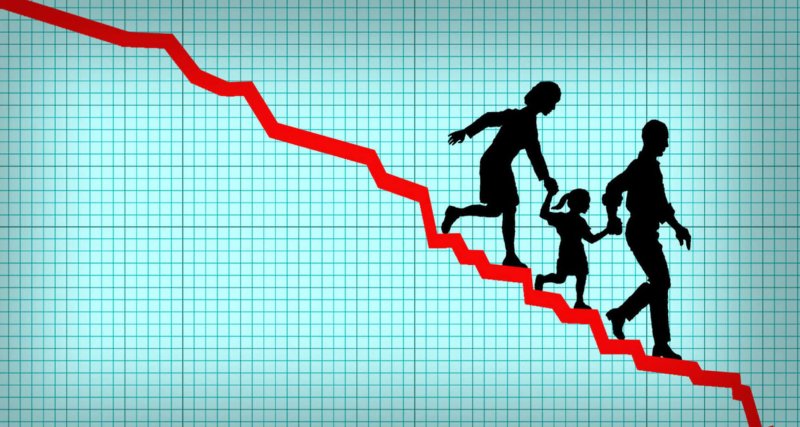
Population bomb, in reverse: Too few babies — not too many — is emerging as a major global problem

Credit: James Ferguson

In Japan, people buy more diapers for the elderly than babies… And the population growth rate in the U.S. is at historic lows, reminiscent of the Great Depression era.

A new study published in npj Urban Sustainability explores the future of underpopulation and how it’s likely to affect sustainability goals. Using demographic data from United Nations reports, the study argues that the underpopulation problem is dynamic and twofold: Populations are simultaneously shrinking and ageing.

Follow the latest news and policy debates on sustainable agriculture, biomedicine, and other ‘disruptive’ innovations. Subscribe to our newsletter.

[S]ome nations are already passing or exploring policies to boost fertility rates, including “baby bonuses,” subsidized child care, and paid paternity and maternity leave.

If successful, these interventions could usher in a new demographic phase which the study calls the “vulnerable hourglass,” characterized by low mortality but recently high fertility. This could result in a population with many young and elderly people, but relatively few working-age adults, who could become overburdened.

The researchers noted that demographic shifts are complex, and much remains uncertain about how factors like urbanization will affect not only population levels but also the environment and socioeconomic conditions worldwide.
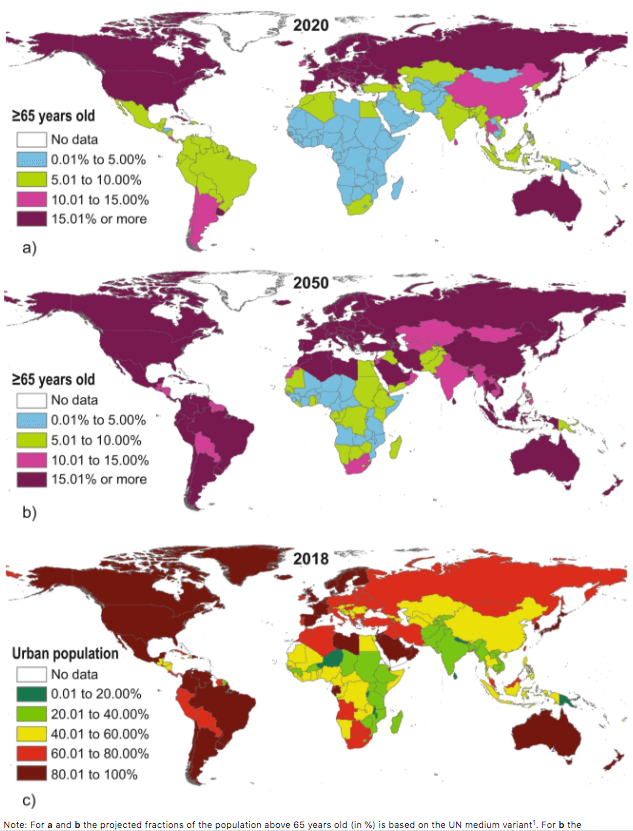

Proportion of aged population (in 2020 and 2050) and urban population (in 2018). Credit: Jarzebski et al./Urban Sustainability

Read the original post

{{ reviewsTotal }}{{ options.labels.singularReviewCountLabel }}
{{ reviewsTotal }}{{ options.labels.pluralReviewCountLabel }}
{{ options.labels.newReviewButton }}
{{ userData.canReview.message }}

Related Articles

Infographic: Global regulatory and health research agencies on whether glyphosate causes cancer

Infographic: Global regulatory and health research agencies on whether glyphosate causes cancer

Does glyphosate—the world's most heavily-used herbicide—pose serious harm to humans? Is it carcinogenic? Those issues are of both legal and ...

Most Popular

ChatGPT-Image-Jul-8-2026-12_32_48-PM
Viewpoint: SCOTUS strikes a blow against junk science in Bayer glyphosate case. Will it deter mass tort litigators?
ChatGPT-Image-Jul-7-2026-01_57_55-PM
Viewpoint: Europe’s rejection of air conditioning is the poster child for misunderstanding how to mitigate the impact of climate change
ChatGPT-Image-Mar-10-2026-01_39_01-PM
Viewpoint—“Miracle molecule” debunked: Why acemannan supplements don’t work
Screenshot-2026-07-08-at-2.14.27-PM
Belief in unproven dietary regimes, vitamins, and crank therapies is putting patients’ health in danger and increasing the risk of getting cancer
Screen-Shot-at-PM-pe-vra-kipgaprbdo-vd-ms-jpule-n-jqqaxf-l-e
Viewpoint: Will new breeding techniques help make European agriculture more competitive?
Screenshot-2026-07-08-at-11.25.14-AM
AI being mobilized to target misinformation about vaccines–on AI
ChatGPT-Image-Jul-10-2026-09_12_58-AM
X rolls out direct messages to users who interact with misinformation
ChatGPT-Image-Jun-25-2026-12_23_17-PM
No, Bill Gates did not secretly engineer ticks to promote veganism
ChatGPT-Image-Jul-1-2026-12_37_08-PM
Viewpoint: Trump poised to politicize all U.S.-supported science research
ChatGPT-Image-Jul-1-2026-03_33_49-PM
‘Alternative’ cancer treatments that could kill you
ChatGPT-Image-Jul-7-2026-12_01_35-PM
Viewpoint: 21 worthless wellness trends inspired by RFK, Jr.’s ill-informed MAHA followers that can harm or even kill you.

ChatGPT-Image-Jun-30-2026-10_27_31-AM
Viewpoint: Europe clears the way for gene-edited crops — but fear-driven restrictions still slow their full potential
DtAieAIkCZy-uchn-oqg
Viewpoint: In the science misinformed grifter game plan, the organic-food-is-healthier myth might be the worst.
glp menu logo outlined

Get news on human & agricultural genetics and biotechnology delivered to your inbox.