Why the UK’s announced embrace of CRISPR gene editing food revolution likely won’t go as smoothly as hoped

Credit: Shutterstock

“Let’s start now to liberate the UK’s extraordinary bioscience sector from anti-genetic modification rules, and let’s develop the blight-resistant crops that will feed the world,” [Boris] Johnson said in his first speech as prime minister.

On June 17 the government [announced] its response to a public consultation on genetic engineering – the first step in what might turn out to be a major re-working of the UK’s genetic engineering laws.

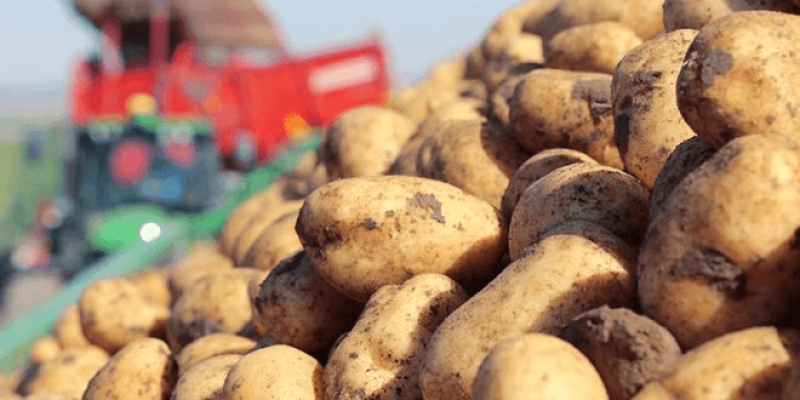
But here’s where things get tricky. While the changes proposed by the Department for Environment, Food & Rural Affairs (Defra) would change the way that genetically-engineered crops are defined in the UK, they’re unlikely to clear a path for blight-resistant potatoes to come to our shelves any time soon. 

Mis- and disinformation are distorting science and public policy. Subscribe to our Daily and Weekly Digests for incisive coverage of ‘disruptive’ innovations in AI, agricultural biotechnology, food, chemicals, nuclear energy, vaccines, and other disruptive innovations.

Since [professor Jonathan] Jones’ potatoes have been made using transgenesis, they will still be classified as GMOs even if Defra goes ahead with its proposals.


As the majority of genetically engineered field trials in the UK involve transgenic plants, it might mean that Defra’s changes will have little impact in the short term.

Jones says that regulating gene-edited crops differently from transgenic crops massively overstates the differences between the two technologies. An alternative approach, he argues, would be to regulate crops on a case-by-case basis rather than applying broad rules based on underlying technology.


Read the original post

Related Articles

Infographic: Global regulatory and health research agencies on whether glyphosate causes cancer

Infographic: Global regulatory and health research agencies on whether glyphosate causes cancer

Does glyphosate—the world's most heavily-used herbicide—pose serious harm to humans? Is it carcinogenic? Those issues are of both legal and ...

Most Popular

ChatGPT-Image-Mar-10-2026-01_39_01-PM
Viewpoint—“Miracle molecule” debunked: Why acemannan supplements don’t work
Prescription Capsules Scattered on Twenty-Dollar Bills
Facts & Fallacies podcast: America's health care system is broken. A doctor explains how to fix it, Part 2
MAHA-MOMS-Supporters-at-the-Rally
Viewpoint: How 'MAHA men' hijacked the female-built food and wellness movement
Dissolving-Tablets-in-Waves
Viewpoint: How the anti-abortion movement twists medical facts and promotes science misinformation
Executive-Greeting-in-a-Futuristic-Boardroom
Viewpoint: RFK Jr. touts AI to guide health care…but searches using the technology he champions expose him as scientifically illiterate
Screenshot-2026-10-12-at-10.44.38-AM
Widely condemned as unethical, hepatitis B vaccine study funded by RFK Jr’s CDC gets a final greenlight
Deepfake Democracy Media Mosaic
31 states have passed a patchwork of laws to limit election deepfake commercials. They’re not working very well.
Personalized-Cancer-mRNA-Vaccine-Vial
Personalized mRNA vaccines are poised to revolutionize cancer treatments. Here are the barriers.
Golden Wheat Under a Starry Sky
Viewpoint: ‘Bureaucratic and economic obstacles’ to agricultural biotechnology: Europe creeps into the 21st century, but blocks remain
Cross and Syringe Standoff
Viewpoint: Hijacking Jesus: How anti-vaccine fanatics are exploiting religious exemptions and killing children
Caution-Taped-Fresh-Produce-Aisle
Should we be afraid of our food?
Screenshot-2026-09-22-at-12.26.15-PM
‘Forever chemical’ concerns: Separating hysteria from reasonable concern in the debate over PFAS danger
Screenshot-2026-09-22-at-10.54.12-AM
‘They misunderstand science’: Research attempting to tie autism to changes in the gut microbiome comes under fire
glp menu logo outlined

Get news on human & agricultural genetics and biotechnology delivered to your inbox.