Pest resistance developing to fall armyworm-fighting Bt maize prompts pest management strategies

Credit: Bayer
Credit: Bayer

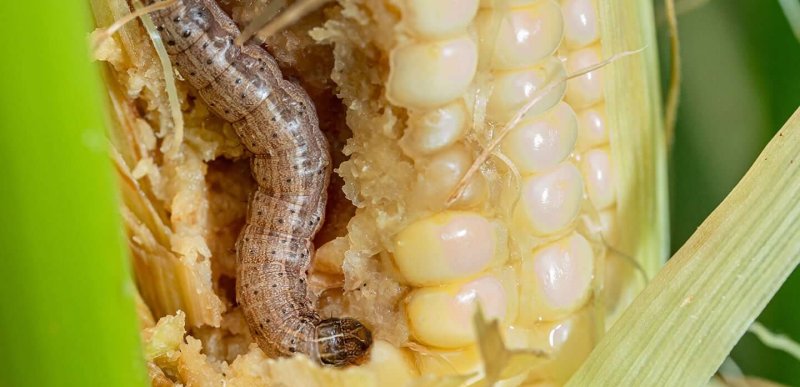
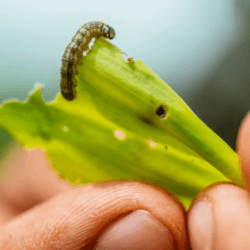
Maize that is genetically engineered to contain specific toxic (to armyworms) proteins created by the bacteria Bacillus thuringiensis (Bt) has proven successful in thwarting the crop destruction by the fall armyworm in South and Central America and the United States.

However, fall armyworm populations have developed significant resistance to certain proteins expressed by Bt maize, underscoring the need to implement agricultural strategies that can boost maize yields while circumventing the effects of resistance.

Moreover, these strategies must be accessible to smallholder farmers, who often lack the resources of larger, commercial farms.
Mis- and disinformation are distorting science and public policy. Subscribe to our Daily and Weekly Digests for incisive coverage of ‘disruptive’ innovations in AI, agricultural biotechnology, food, chemicals, nuclear energy, vaccines, and other disruptive innovations.

So far, only South Africa has approved the use of Bt maize on the continent—but Kenya may be the next nation to make a similar approval. As Bt maize may see more approvals and use in Africa, [Bruce] Tabashnik’s team made several recommendations, especially for smallholder farmers:

  • Use Bt maize with other pest management methods, including native host plant resistance (non-genetically modified), as part of an integrated pest management (IPM) plan.
  • Use Bt maize “pyramids” that produce two or more toxins (ideally, four toxins) that are individually effective against fall armyworm but together significantly reduce the likelihood of the pest developing resistance.
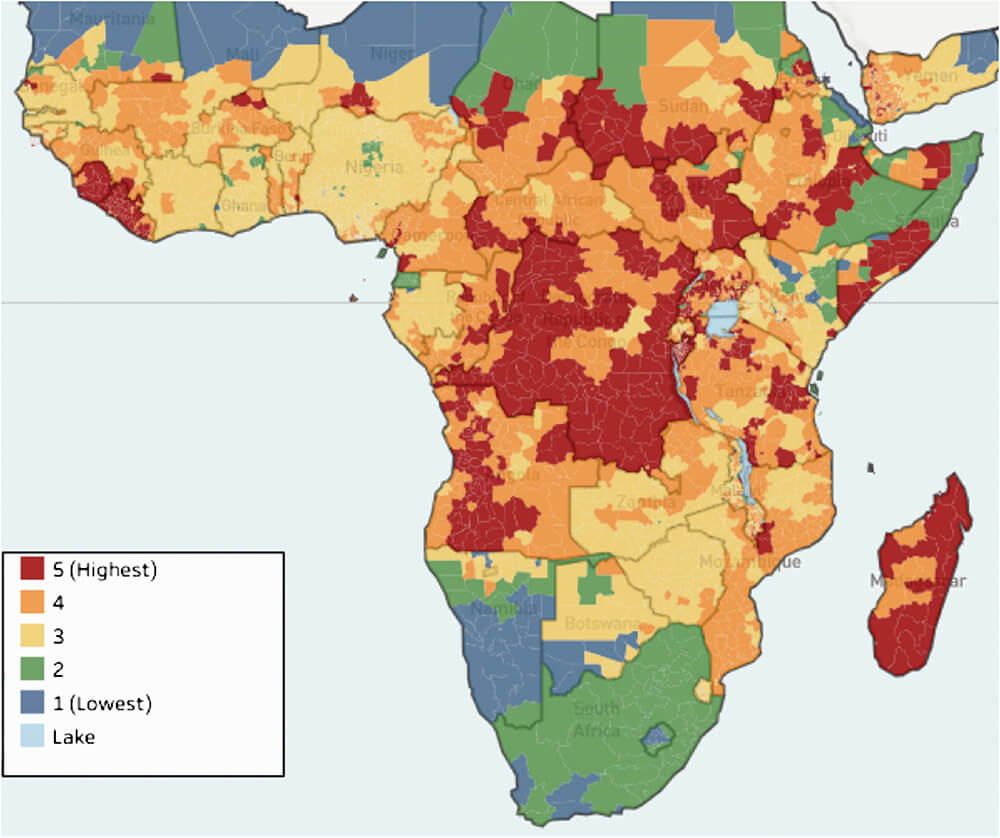
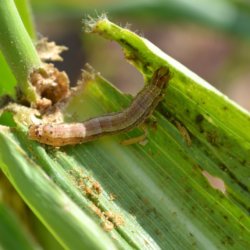
Risk of fall armyworm infestation. Credit: Van den Berg et al 2021/Journal of Economic Entomology

This is an excerpt. Read the original post here.

Related Articles

Infographic: Global regulatory and health research agencies on whether glyphosate causes cancer

Infographic: Global regulatory and health research agencies on whether glyphosate causes cancer

Does glyphosate—the world's most heavily-used herbicide—pose serious harm to humans? Is it carcinogenic? Those issues are of both legal and ...

Most Popular

ChatGPT-Image-Mar-10-2026-01_39_01-PM
Viewpoint—“Miracle molecule” debunked: Why acemannan supplements don’t work
Woman_Vaping_Electronic_Cigarette_50687233623
Trump administration clears the way for speedy approvals of once-restricted tobacco vapes and pouches
ChatGPT-Image-Sep-25-2026-11_36_56-AM
Now AI almost started a war with China
Screenshot-2026-09-17-at-1.07.08-PM
'We are dangerously addicted to antidepressants': Should we heed RFK Jr.’s sobering warning?
ChatGPT-Image-Sep-2-2026-02_03_32-PM
How much of a problem is AI’s water use?
Screenshot-2026-09-24-at-1.24.47-PM
80% of Americans take (mostly useless) supplements for their health
Screenshot-2026-09-16-at-10.27.33-AM
Viewpoint: SCOTUS poised to address First Amendment tension between mandatory vaccines, children’s health and religious freedom 
ChatGPT-Image-Sep-27-2026-10_00_17-AM
Current and future RFK Jr. aides criticize his science-rejectionist vaccine views
ChatGPT-Image-Sep-21-2026-11_54_00-AM
Viewpoint: Activist environmental NGOs are turning from public funding to activist billionaires to support their campaigns. It won’t end well.
ChatGPT-Image-Sep-23-2026-01_52_03-PM
Viewpoint: 4 very real AI doomsday scenarios
Screenshot-2026-09-16-at-2.26.42-PM
Viewpoint: How to ecologically damage America’s forests: Ban glyphosate
glp menu logo outlined

Get news on human & agricultural genetics and biotechnology delivered to your inbox.