Viewpoint: By rejecting biotechnology and synthetic pesticides, France is ill prepared to address mildew and organic copper pollution crisis

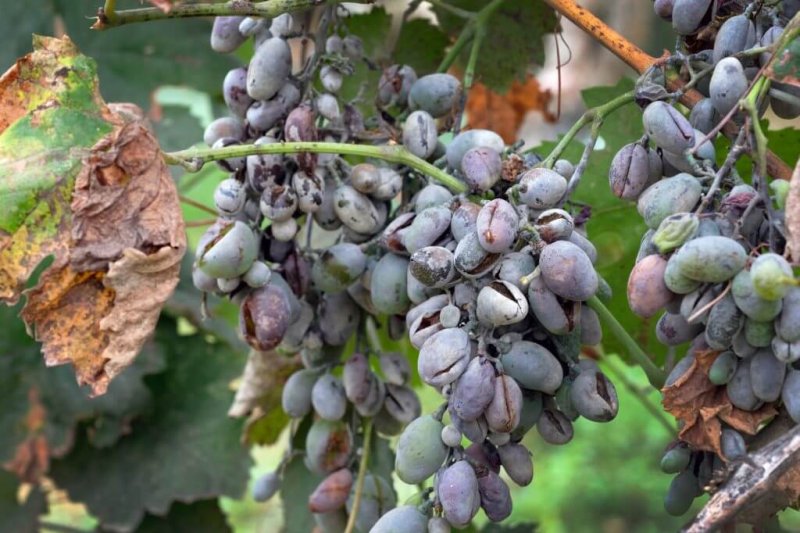
Powdery mildew. Credit: Dreamstime

2021 was a difficult year for the production of French farmers: tomatoes and potatoes were devastated by various pests. The burden of the damage, however, fell above all on organic crops; which suggests the fragility of the thesis of those who would like all agriculture to be converted to this method, evidently less able to guarantee the safety of the harvest. 

There is an aggravating circumstance: the levels of copper, the most widely used pesticide because among the few products authorized in the organic field, are on a dangerous rise, both in the soils and – listen, listen – in the urine of children who eat organic products (at least in France). 

To find out more, I asked Donatello Sandroni, who is an expert in agricultural ecotoxicology.
Mis- and disinformation are distorting science and public policy. Subscribe to our Daily and Weekly Digests for incisive coverage of ‘disruptive’ innovations in AI, agricultural biotechnology, food, chemicals, nuclear energy, vaccines, and other disruptive innovations.

What he wrote to me below: 

In agriculture, every year is a story unto itself: weather and parasitic attacks are in fact independent of the planning skills of producers, who have to face the changing environmental conditions as best they can. And it is precisely on ‘as best they can’ that the concept must be deepened. In this sense, organic farming has self-imposed anachronistic vetoes both in the use of synthetic fertilizers and pesticides, and in the adoption of biotechnologies. The result is that everything is fine in normal times, but when the vintages take a bad turn, there is trouble.

[Editor’s note: This article was originally published in Italian and has been translated and edited for clarity.]


This is an excerpt. Read the original post here.

Related Articles

Infographic: Global regulatory and health research agencies on whether glyphosate causes cancer

Infographic: Global regulatory and health research agencies on whether glyphosate causes cancer

Does glyphosate—the world's most heavily-used herbicide—pose serious harm to humans? Is it carcinogenic? Those issues are of both legal and ...

Most Popular

ChatGPT-Image-Sep-2-2026-02_03_32-PM
AI data centers and water usage: It’s a genuine and growing problem
ChatGPT-Image-Mar-10-2026-01_39_01-PM
Viewpoint—“Miracle molecule” debunked: Why acemannan supplements don’t work
ChatGPT-Image-Sep-16-2026-11_28_54-AM
Viewpoint: Study links childhood vaccination to autism!!! Here’s how anti-vaxxers twist evidence to corrupt science
Screenshot-2026-09-16-at-2.26.42-PM
Viewpoint: How to ecologically damage America’s forests: Ban glyphosate
Screenshot-2026-09-18-at-11.35.25-AM
RFK Jr.’s latest crank obsession: Protecting Americans from perfectly safe electromagnetic radiation
ChatGPT-Image-Sep-21-2026-10_18_59-AM-2
Viewpoint: Is corporate embrace of regenerative agriculture greenwashing?
ChatGPT-Image-Sep-20-2026-09_47_55-AM
Trump says he’ll require drugmakers to end multiple vaccine doses, reviving discredited autism claims
Screenshot-2026-09-20-at-9.03.54-AM
From Malaysia to the world: A pioneering science communicator reimagines global science communication for a digital age
Screenshot 2026-09-18 at 10.26
Slowdown AI development? China acknowledges serious risks but sees warnings as U.S. ploy to control the technology
ChatGPT-Image-Sep-17-2026-12_28_43-PM
Vitamin D, omega-3 fish oil and glucosamine supplements could cause brain damage 
ChatGPT-Image-Sep-18-2026-10_49_24-AM
‘Symptom borrowing’: Young people are copying health problems they see on TikTok
Screenshot-2026-09-20-at-4.31.28-PM
White House drafting executive order to control what OMB Director Vought claims are “woke” NIH science grants
glp menu logo outlined

Get news on human & agricultural genetics and biotechnology delivered to your inbox.