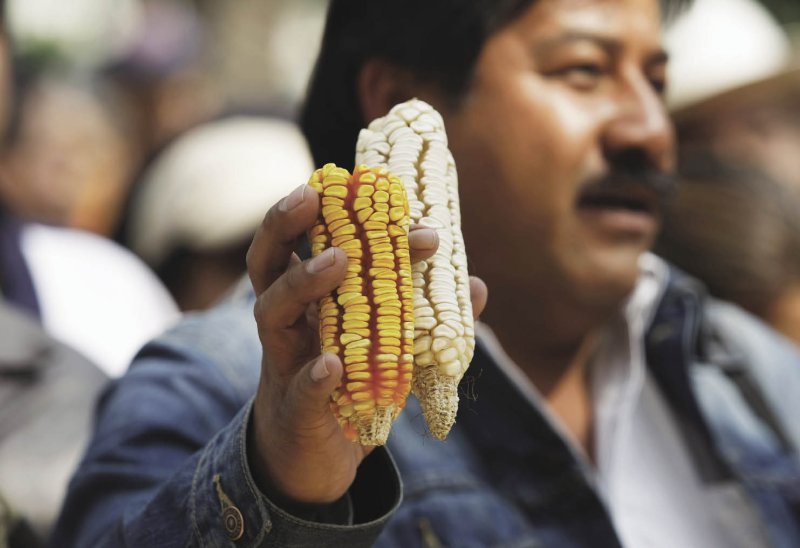

“The common person here in Mexico will suffer more,” said Morales, a Mexican economist with more than 15 years’ experience developing policies related to the agriculture and food sectors.
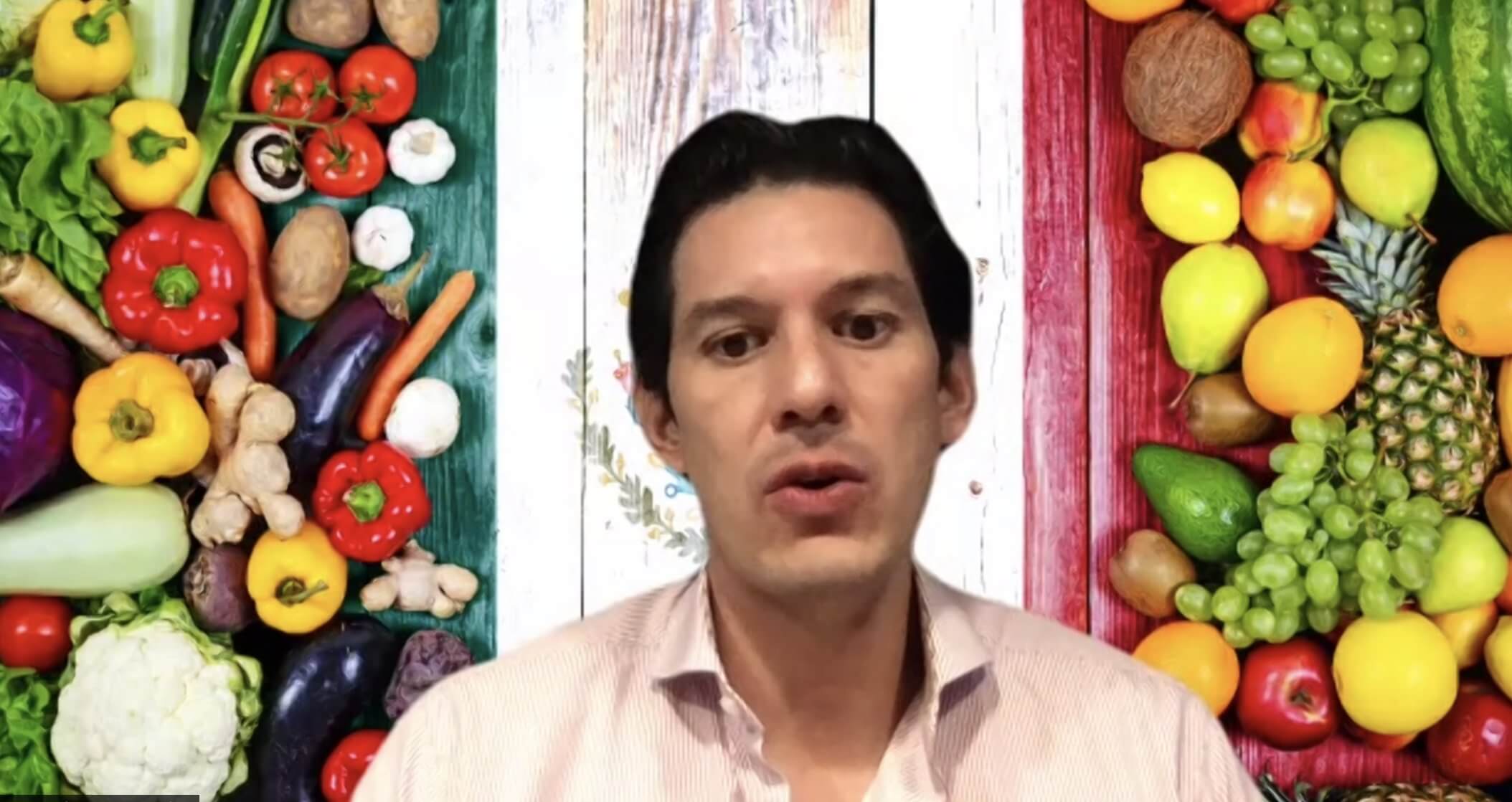
He was referencing the Presidential Decree issued earlier this year, which calls for phasing out the use of the herbicide glyphosate, banning the cultivation of GM corn and ending GM corn imports within three years.
“Banning GM imports is nonsense because Mexico is the second importer of yellow corn in the world, and if these imports are banned there is no way to satisfy the domestic demand of the grain,” Morales said. Yellow corn is primarily used to feed cattle, an important export product for Mexico.
Most of the imported corn is genetically modified and grown in the United States, which has also resulted in push back from one of Mexico’s major trade partners.
Mexico’s agricultural sector is already suffering. In the first three years of President Andrés Manuel López Obrador’s administration, production of 33 crops has fallen by 24 percent and imports of farm products have reached record levels, according to a report in Mexico’s leading newspaper.
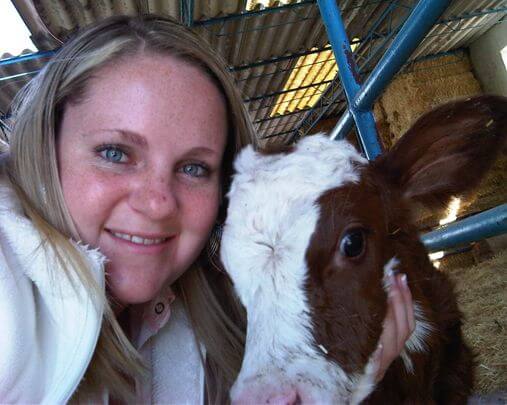
“The prohibition of technology in any area is unjustified and it creates disadvantages for farmers who are competing with farmers in other countries that have access to GM crops,” said fifth generation dairy farmer Gina Gutierrez.
This competitive disadvantage is already affecting the nation. Between January and August of this year, imports of corn, bean, wheat and other grains reached a record-breaking 26.1 million tons — a 13 percent increase over 2018.
Morales noted that the government’s actions are motivated by ideology, rather than science, as it takes an official posture that seeks to position agroecology as the main food production system in the country:



The GMO technology has proved to be effective in reducing the use of pesticides and fertilizers as well as in the use of irrigation. Denying these available tools without strong evidence it seems to be a more ideological perspective rather than having a scientific approach…the agroecology solution sounds great, but how? Why? When? You have to convince the producers.
Gutierrez highlighted the situation that farmers and producers have been dealing with in recent months. Even though the decree only contemplates banning GM corn, Mexico has not approved any new GM crop since May 2018, discouraging investment in the Mexican fields.
“This ban is preventing farmers from using technology that is safe and has been researched for decades,” she said. We are already using GM technology for medicine, but somehow ideology gets in the way when we use it for food.”
Gutierrez predicted that the ban will disrupt the Mexican food chain with catastrophic consequences since Mexico is not a self-sufficient nation. It will affect not only farmers, but all sectors of society because imported GM grain is used to feed cattle and other animals. Without that source of livestock feed, the price of meat — the main source of protein for millions of Mexicans — will rise, making it unaffordable to many, she explained.
“I regret the base of this decision is rooted in an ideology that it is getting in the way that we — the farmers — work and produce food,” she said. “I ask policymakers to replicate the safe use we are doing with biotechnology in medicine [and] apply it in the fields. Let’s regulate accordingly, not prohibit.”
Gutierrez and Morales agreed that implementing the ban as written could only lead to an inevitable economic crisis, as well as severely affect the Mexican food chain. Morales said the consequences could last for at least 20 years — long after the current administration leaves office in 2024.
Luis Ventura is a biologist with expertise in biotechnology, biosafety and science communication, born and raised in a small town near Mexico City. He is a Plant Genetic Resources International Platform Fellow at the Swedish University of Agricultural Sciences. Follow him on Twitter @luisventura
A version of this article was originally posted at the Cornell Alliance for Science and is reposted here with permission. The Cornell Alliance for Science can be found on Twitter @ScienceAlly