‘Window to act is closing’: Climate change is already devastating our global food system, UN report co-author says

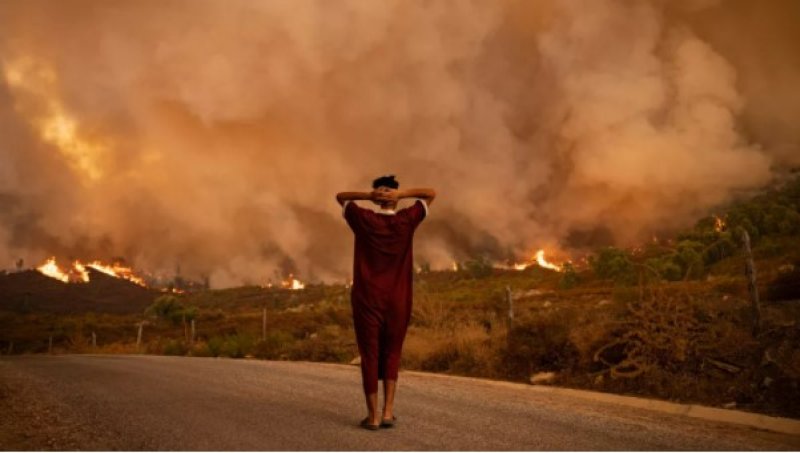
A Moroccan wildfire. Climate change is resulting in heat waves which in turn can cause increased wildfires. Credit: Fadel Senna via Getty Images

In a cautionary tale to the world, the Intergovernmental Panel on Climate Change (IPCC) – a group organized by the United Nations – has issued a 1,024-page report that presents a scientific basis and blueprint to pull humanity back from dire, planet-wide environmental ruin.

Mis- and disinformation are distorting science and public policy. Subscribe to our Daily and Weekly Digests for incisive coverage of ‘disruptive’ innovations in AI, agricultural biotechnology, food, chemicals, nuclear energy, vaccines, and other disruptive innovations.

“Our report demonstrates that climate change – including increases in climate hazards such as flooding, drought or cyclones – is already affecting food systems, and particularly food security in vulnerable regions,” said [Rachel] Bezner Kerr, professor in the Department of Global Development, part of the College of Agriculture and Life Sciences. “The world can prevent severe impacts on people and on nature, but there is a brief and rapidly closing window to act.”

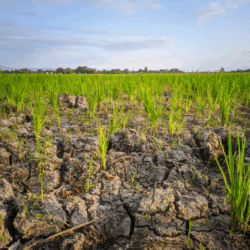
While agricultural productivity has improved, in another example, a heated climate will cause global crop and livestock areas to become increasingly unsuitable. Even with low greenhouse gas emissions – that is, if the temperature average remains 1.6 degrees Celsius below pre-industrial average temperature levels – about 8% of the world’s farmland will likely become unsuitable by 2100.
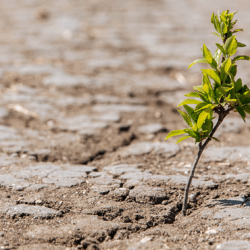
“Every action to avoid even small increases in warming will make a tremendous difference,” Bezner Kerr said. “If strong action is taken after this report, there is hope.”


This is an excerpt. Read the original post here.

Related Articles

Infographic: Global regulatory and health research agencies on whether glyphosate causes cancer

Infographic: Global regulatory and health research agencies on whether glyphosate causes cancer

Does glyphosate—the world's most heavily-used herbicide—pose serious harm to humans? Is it carcinogenic? Those issues are of both legal and ...

Most Popular

ChatGPT-Image-Mar-10-2026-01_39_01-PM
Viewpoint—“Miracle molecule” debunked: Why acemannan supplements don’t work
ChatGPT-Image-Sep-17-2026-12_28_43-PM
Vitamin D, omega-3 fish oil and glucosamine supplements could cause brain damage 
ChatGPT-Image-Sep-17-2026-10_17_15-AM
Viewpoint: Why are the less intelligent more likely to be conservative—and smarter people more socially liberal?
Screenshot-2026-09-10-at-12.20.19-PM
'Jet fuel didn't melt the steel': 9/11 conspiracy theories debunked
Eating Nuts Adds up to Longer Life x
For millions with peanut allergies, Nurtured Nuts’ CRISPR gene-edited peanuts could ease the fear of accidental exposure
ChatGPT-Image-Aug-28-2026-03_33_46-PM
Viewpoint: Bad science—Five bogus Trump administration claims about vaccines and autism
screenshot at  am
‘Glyphosate is not carcinogenic’: Independent EU chemical oversight agency reaffirms—for the 3rd time in 9 years—that the herbicide is safe-as-used
glp menu logo outlined

Get news on human & agricultural genetics and biotechnology delivered to your inbox.