Can science explain love?

Credit: Science Focus

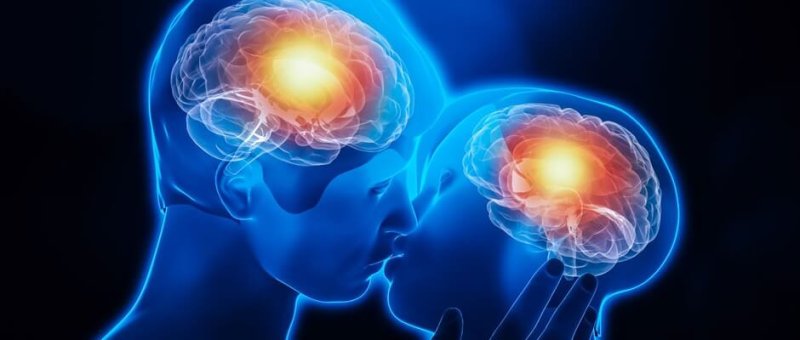
Love defies a neat definition because it is a mix of the objective and the subjective, of the biological and social, of the personal and public, and of the conscious and unconscious. 

Follow the latest news and policy debates on sustainable agriculture, biomedicine, and other ‘disruptive’ innovations. Subscribe to our newsletter.

The tools that scientists have to objectively assess love are better than ever before. They are allowing us to understand what is universal and what drives individual variation.

The neuro-chemistry of love is one of the universals, operating without differences based on sex, sexuality, age, or the focus of that love.

Oxytocin and dopamine are critical at the start of any relationship—the latter motivating you to make physical effort and the former orienting that effort toward the new relationship. 

Individual differences in human love are influenced by a range of factors. Our genotyping work at Oxford University has shown links between neurochemistry and different aspects of our sociability.

Variation in dopamine genes correlates with a person’s involvement at the community level and the number of friends one has; beta-endorphin levels appear to have an association with overall sociability, including empathetic ability and attachment style; and differences in the expression of genes associated with oxytocin and with beta-endorphin seem to fine tune a person’s romantic disposition.


This is an excerpt. Read the original post here. 

{{ reviewsTotal }}{{ options.labels.singularReviewCountLabel }}
{{ reviewsTotal }}{{ options.labels.pluralReviewCountLabel }}
{{ options.labels.newReviewButton }}
{{ userData.canReview.message }}

Related Articles

Infographic: Global regulatory and health research agencies on whether glyphosate causes cancer

Infographic: Global regulatory and health research agencies on whether glyphosate causes cancer

Does glyphosate—the world's most heavily-used herbicide—pose serious harm to humans? Is it carcinogenic? Those issues are of both legal and ...

Most Popular

Screenshot 2026-05-26 at 10.15
Viewpoint: Double standard—Why does the wellness industry get a free pass while Big Healthcare is treated as morally suspect?
ChatGPT-Image-Jun-4-2026-11_49_36-AM-2
‘You don’t understand Tolkien’: Skeptic Pope trolls tech giants about the exaggerated, risk-less benefits of AI
Screenshot-2026-06-04-at-12.05.08-PM
Cases of brain inflammation surge as U.S. measles pandemic approaches 2000
ChatGPT-Image-Jun-4-2026-01_27_58-PM
Viewpoint—N.A.D.+: Why Gwenyth Paltrow’s heralded anti-aging supplement doesn’t work
Screenshot 2025-07-30 at 10.48
Can gene editing eliminate Down syndrome? Scientists have done it in lab-grown cells
ChatGPT Image May 26, 2026, 08_42_17 AM (1)
Viewpoint: Greenpeace and poison: How environmental advocacy groups rely on compliant (and often ignorant) journalists to spread disinformation and spark litigation
Screenshot-2026-06-03-at-1.24.46-PM
Challenging anti-GMO disinformation: Why genetically-tweaked crops offer bushels of benefits
ChatGPT-Image-Mar-10-2026-01_39_01-PM
Viewpoint—“Miracle molecule” debunked: Why acemannan supplements don’t work
ChatGPT Image May 26, 2026, 08_21_36 AM
Limiting gender affirming interventions: Trump administration targets Texas even though it already bans youth access
tick-DNA
GLP podcast: Spread meat allergy with gene-edited ticks? Bioethicists pose vile ‘thought experiment’
Screenshot 2026-06-04 at 12.43
Viewpoint: Doctors who are battling Ebola are incredulous that U.S. government is not utilizing specially designed emergency health units meant to fight virulent disease
glp menu logo outlined

Get news on human & agricultural genetics and biotechnology delivered to your inbox.