




The research is supported by $18 million in new funding from the Bill & Melinda Gates Foundation, which also funds the Alliance for Science. The field trials are intended to demonstrate a method for combatting mosquitoes without the use of pesticides, specifically the invasive Anopheles stephensi, which is predicted to cause urban malaria epidemics across Africa, and Anopheles albimanus, which is slowing malaria eradication efforts in the Americas. Both species are widely resistant to insecticides, prompting the search for another method of control.
The three-year pilot project will deploy Oxitec’s “Friendly” technology, which is already being used successfully in Brazil to control Aedes aegypti, a mosquito species that spreads Zika, dengue, chikungunya, yellow fever and heartworm through its bites. Trials involving Aedes aegypti are currently under way in Florida and California.
The Friendly technology works by using a proprietary system the company developed to hold the eggs of non-biting male mosquitoes that are genetically modified to be self-limiting. When placed in a small box of water, the capsule releases the males, which then disperse to mate with wild-type females. Because the males contain a self-limiting gene, the offspring they produce do not live to maturity, thus naturally suppressing the population.
“We’re looking forward to working with expert partners, regulators, regional stakeholders and most importantly, malaria-affected communities to develop and validate these two new Friendly mosquitoes,” said Neil Morrison, Oxitec’s malaria program director. “As we’ve shown with our successes against other disease-spreading mosquitoes, Friendly mosquitoes unlock new levels of vector control performance without impacting humans, animals or the environment.”
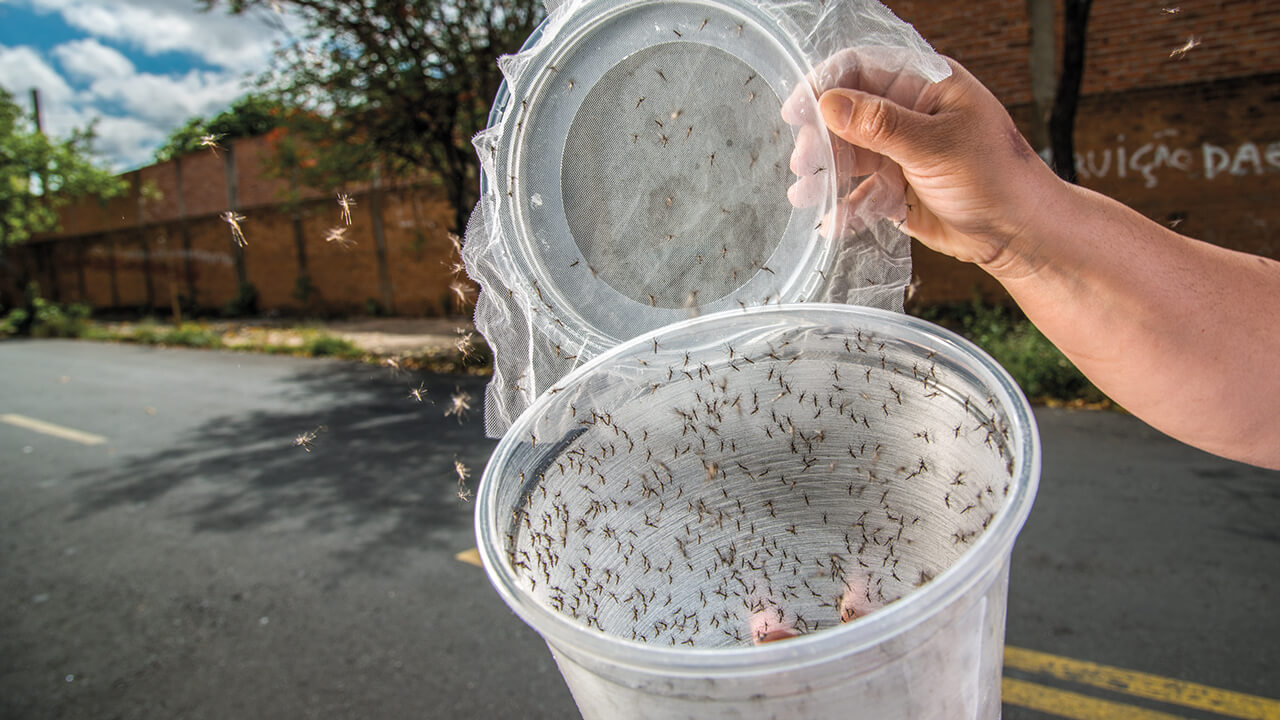
The upcoming work builds on four years of early development and innovation by Oxitec experts from more than 10 countries. Oxitec will partner with regional experts and communities to conduct the field trials targeting the two vectors. Simultaneously, Oxitec will advance Friendly production, distribution and deployment methods that will also be tested in pilot locations. The goal is to deliver Friendly solutions that are scalable and accessible in malaria-endemic regions. Specific locations for these pilots will be announced in the next few months.



“This investment in the expansion of our malaria program will allow us to build the partnerships, systems and programs necessary to pilot our technologies where they’re needed the most, taking them one step closer to delivering impact on lives and livelihoods,” said Oxitec CEO Grey Frandsen.
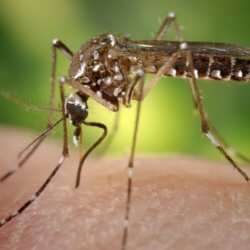
Anopheles stephensi is the dominant malaria vector in South Asia and the Middle East. It invaded Djibouti, in the Horn of Africa, in 2012 and quickly caused a massive rise in malaria cases. More than 10 percent of the country’s population was estimated to be infected in 2018. It has the capacity to breed in urban communities, which distinguishes it from other malaria-spreading mosquitoes, and experts are warning of disastrous malaria outbreaks across African cities as the species spreads into other countries.
Anopheles albimanus is the most significant malaria vector in Central America and parts of South America. Though progress has been made in achieving regional malaria eradication — El Salvador was certified malaria-free in 2021 — efforts have stalled in many other parts of the region. It readily bites outdoors, reducing the effectiveness of bed nets and other indoor prevention tools.
Joan Conrow has more than 35 years of experience as a journalist and editor. She specializes in environmental issues, biotechnology, and agriculture, and is especially interested in how these highly charged topics are playing out globally. Joan holds a BA in history and journalism and is certified in beekeeping, mediation, and facilitation. Find Joan on Twitter @joanconrow
A version of this article was posted at Cornell Alliance for Science and is used here with permission. You can check out Cornell Alliance for Science on Twitter @ScienceAlly





























