Why climate change is forcing a rethink on the benefits of genetically engineered crops

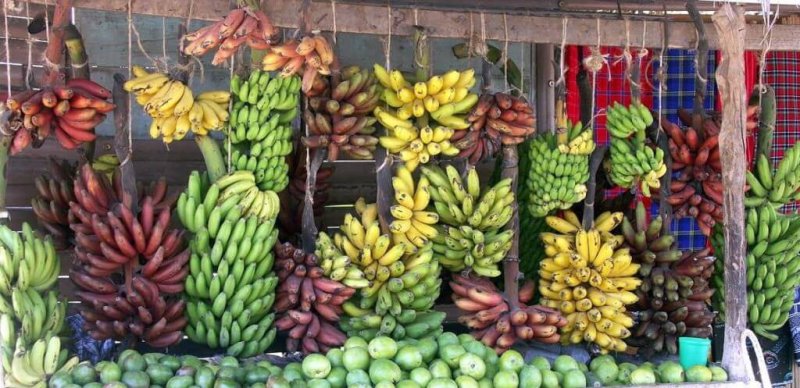
Bananas have limited genetic diversity, making them vulnerable to disease. Credit: Gets Holidays

All our food systems like agriculture, forestry, fisheries and aquaculture, are under the stress because of rising temperatures leading to wildfires, droughts, floods and storms. If no action is taken to limit the climate crisis, the world may end up witnessing devastating crop losses.

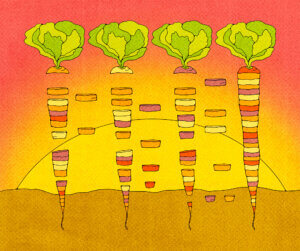
With technological advancement and progress in farming methods, scientists and farmers have almost altered and perfected every food we eat. The result is a lack of genetic diversity and dependence on one type or variety of crop. 

Producing genetically-similar crops has a major drawback. If one pathogen or climate factor affects the crop, the entire production/population will be susceptible to it.

Follow the latest news and policy debates on sustainable agriculture, biomedicine, and other ‘disruptive’ innovations. Subscribe to our newsletter.

The simple solution is to introduce more genetic variety in the farmer’s fields, the Guardian said. However, this is easier said than done. Scientists have taken an alternative route of making gene banks that store seeds of different will species and genetically diverse crops, vegetables, and fruits.
Private firms are employing biotechnology that involves genetic editing and transgenics which rely on publicly funded gene banks for raw material. Agroecologists and regenerative farmers, however, argue that the most efficient and sustainable food systems are those which use techniques that mimic Nature, rather than the artificial ones.


{{ reviewsTotal }}{{ options.labels.singularReviewCountLabel }}
{{ reviewsTotal }}{{ options.labels.pluralReviewCountLabel }}
{{ options.labels.newReviewButton }}
{{ userData.canReview.message }}

Related Articles

Infographic: Global regulatory and health research agencies on whether glyphosate causes cancer

Infographic: Global regulatory and health research agencies on whether glyphosate causes cancer

Does glyphosate—the world's most heavily-used herbicide—pose serious harm to humans? Is it carcinogenic? Those issues are of both legal and ...

Most Popular

Screenshot-2026-03-13-at-12.14.04-PM
The FDA wants to make many popular prescription drugs OTC—a great idea. Here’s why it’s unlikely to happen
Screenshot-2026-05-04-at-12.54.32-PM
How Utah became the country’s supplement capital  — and a haven for unregulated, ineffective and fake products
Screenshot-2026-04-20-at-2.26.27-PM
Viewpoint — Food-fear world: The latest activist scientists campaign: Cancer-causing additives
Screenshot-PM-24
Viewpoint: The herbicide glyphosate isn’t perfect. Banning it would be far worse.
Screenshot-2026-05-01-at-11.56.24-AM
‘Science moves forward when people are willing to think differently’: Memories of DNA maverick Craig Venter
images
The never-ending GMO debate: Pros and cons
ChatGPT-Image-May-1-2026-02_20_13-PM
How RFK, Jr.’s false vaccine claims are holding up $600 million to fight diseases in poor countries
Screenshot-2026-04-12-135256
Bixonimania: The fake disease scam that AI swallowed whole
Screenshot-2026-04-03-at-11.15.51-AM
Paraben panic: How a flawed study, media hype, and chemophobia convinced the public of the danger of one of the safest classes of preservatives
Screenshot-2026-04-30-at-2.19.37-PM
5 myths about summer dehydration that could damage your health — or even kill you
glp menu logo outlined

Get news on human & agricultural genetics and biotechnology delivered to your inbox.