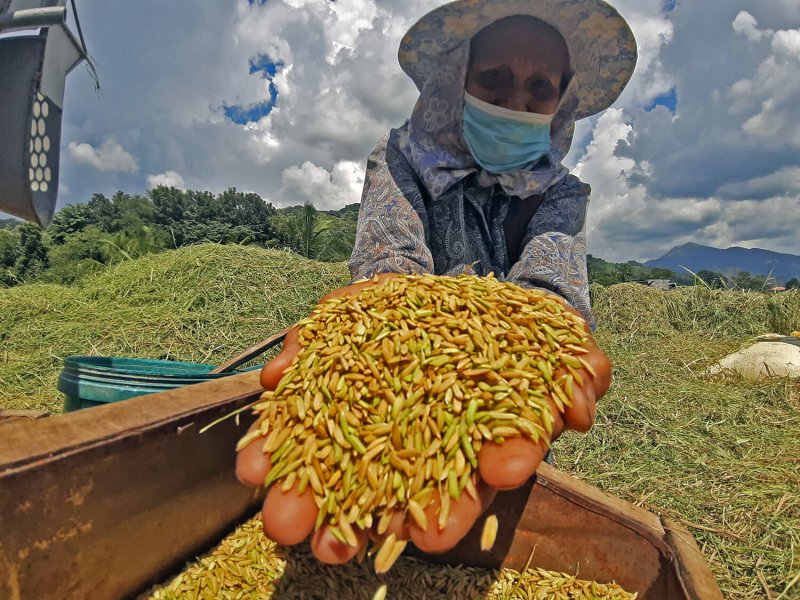

Finally, a rice that is infused with vitamin A will soon be served on the tables of Filipino households.
After almost two decades of painstaking research and regulatory review, Golden Rice has fully satisfied all biosafety regulatory requirements in the Philippines.
The biosafety permit for commercial propagation issued in July 2021 was the final stage of regulatory approval, which means that Golden Rice may now be planted on farmer’s fields and be eaten by consumers once supply is available.
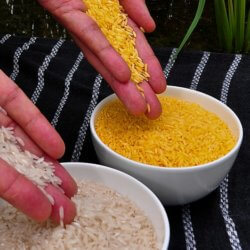
Golden Rice is just like our ordinary rice, but superior in the sense that it is enriched with beta-carotene, which the body converts into vitamin A as needed. The beta-carotene compound gives this grain its yellow-orange or golden color, hence its name.
It is the first genetically engineered rice with nutritional benefit in the world, and the first in Asia to have been granted a biosafety permit for commercial propagation. The pilot-scale deployment of Golden Rice in the Philippines will open the door for the first direct community or public experience of Golden Rice in the world.
The Department of Agriculture, through the Philippine Rice Research Institute (PhilRice) has accelerated the Golden Rice seed production to ensure the availability of seed planting materials in the nearest time possible. Agriculture Secretary William Dar has instructed DA regional field offices, through Memorandum Order 19 series of 2022, to integrate Golden Rice into their seed production and distribution program, particularly to utilize their research experiment stations as seed production areas.
Following the recent approval of the varietal registration of Golden Rice by National Seed Industry Council (NSIC), the seeds of this vitamin A infused variety can now undergo certification by the Bureau of Plant Industry-National Seed Quality Control Services (BPI-NSQCS) to ensure that they are of high quality when distributed to the farmers.
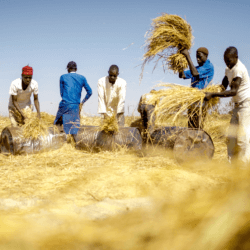



DA-PhilRice and IRRI, together with its local government partners, aim to initially distribute Golden Rice in seven targeted provinces including the identified early planter provinces for expanded seed production. These provinces were identified based on several factors such as stunting rates, inclusion in the list of priority provinces of the National Nutrition Council’s Philippine Plan of Action for Nutrition (PPAN), and rice production.
The Golden Rice deployment plan aims to ensure that there are enough Golden Rice seeds; farmers and consumers are willing to plant and eat it; and that the necessary policy support is in place to facilitate its integration in existing government programs that address malnutrition.
Together with our partners at all levels, we will gradually make available quality Golden Rice seeds through targeted seed production and stewardship. We will also continue to increase knowledge and positive receptivity to Golden Rice in the target communities through communication, education, and marketing. Policy advocacy activities will likewise be integrated at multiple levels.
All of these efforts will contribute toward preparing the target communities to own Golden Rice as a complementary intervention to increase vitamin A intake of at-risk populations in line with the food and nutrition security strategies of the DA.