Salt-proof, drought-tolerant wheat developed in Egypt — but GMO ban remains in place

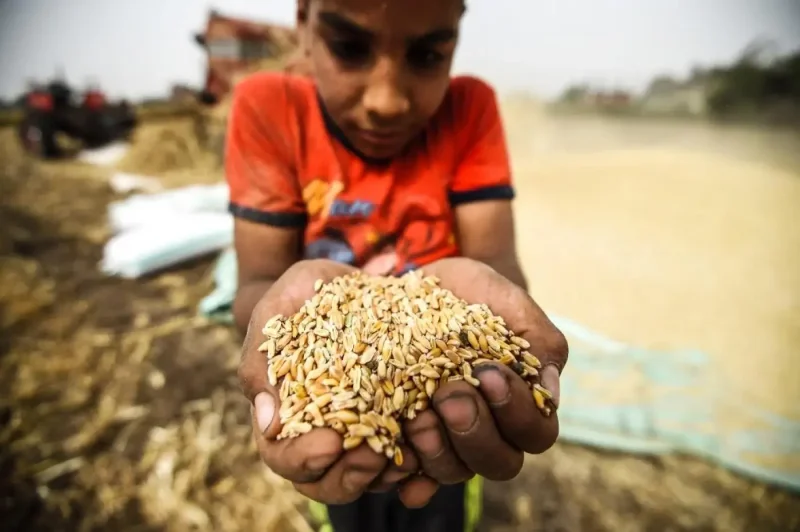
Egypt has an enormous population and great need for food staples like wheat. Credit: AFP

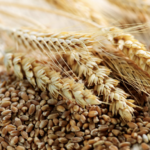
The Egyptian Atomic Energy Authority, headed by Dr. Amr El-Hajj, announced that the agricultural research scientists in the authority have started harvesting the production of new strain of genetically-modified wheat at the authority’s site in Inshas city, Bilbeis, Sharqia Governorate.

This strain has high-productivity with distinct characteristics such as being resistant to cultivation in saline lands, and water shortage, the authority said in a statement on Friday.

The rate of production exceeds 4 tons per acre, with an increase of almost a ton over the currently cultivated Egyptian varieties, the statement said, adding that this variety cultivation takes only 140 days, the statement continued.

Follow the latest news and policy debates on sustainable agriculture, biomedicine, and other ‘disruptive’ innovations. Subscribe to our newsletter.
[The chairman of the Agriculture and Irrigation committee Hesham El Hossary] said in media comments that the crisis of the Coronavirus pandemic and the political international situation of the Russian-Ukrainian conflict have pushed the state to consider planting the GM products.
Egypt prohibits importing and planting GMO seeds, but allows imports of GM-produced soybeans and maize that have been approved from the country of origin, especially from the United States.


This is an excerpt. Read the original post here

{{ reviewsTotal }}{{ options.labels.singularReviewCountLabel }}
{{ reviewsTotal }}{{ options.labels.pluralReviewCountLabel }}
{{ options.labels.newReviewButton }}
{{ userData.canReview.message }}

Related Articles

Infographic: Global regulatory and health research agencies on whether glyphosate causes cancer

Infographic: Global regulatory and health research agencies on whether glyphosate causes cancer

Does glyphosate—the world's most heavily-used herbicide—pose serious harm to humans? Is it carcinogenic? Those issues are of both legal and ...

Most Popular

Screenshot-2026-04-12-135256
Bixonimania: The fake disease scam that AI swallowed whole
Screenshot-2026-05-01-at-1.29.41-PM
Viewpoint: What happens when whole grains meet modern food manufacturing? Labels don’t tell the whole story.

Sorry. No data so far.

glp menu logo outlined

Get news on human & agricultural genetics and biotechnology delivered to your inbox.