
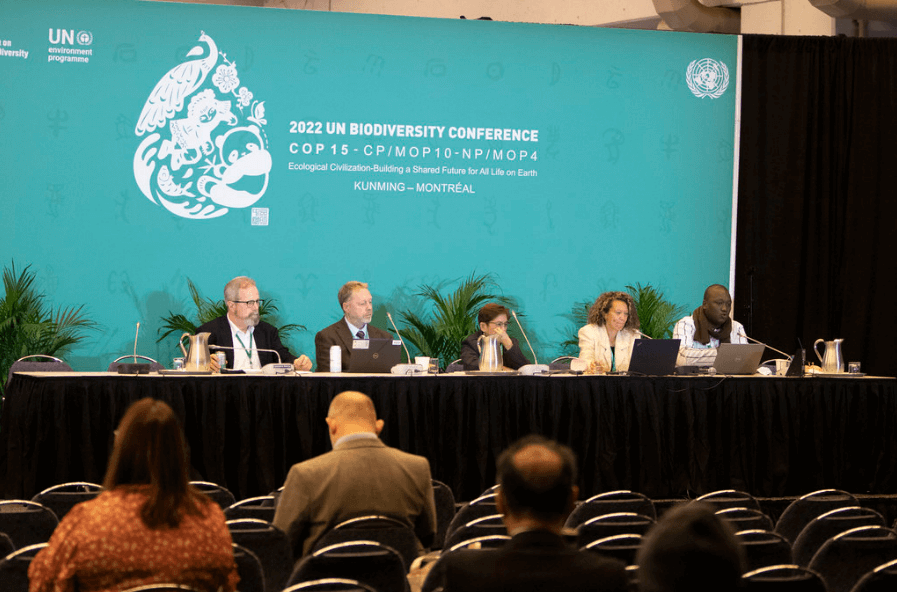
Regulators from Ghana, Kenya, Malawi, and Sudan said their countries have established appropriate regulatory systems that ensure that consumers benefit from GMOs.
They were speaking at a side event organized by an academia
consortium led by the International Service for the Acquisition of Agri-biotech Applications (ISAAA), at the UN Biodiversity Conference. The 15th meeting of the Conference of Parties to the UN Biodiversity Convention deliberated on a new framework for the protection of biodiversity (Post-2020 Global Diversity Forum), including the role biotechnology (GMOs) can play in helping protect the planet.
Protect biological diversity
Dr Naazik Ahmed, the director of the Sudan Biosafety Department at the Higher Council of Environment and Natural Resources, said her country has had laws to govern the approval of GM crops since 2005, following the ratification of the Cartagena Protocol on Biosafety.
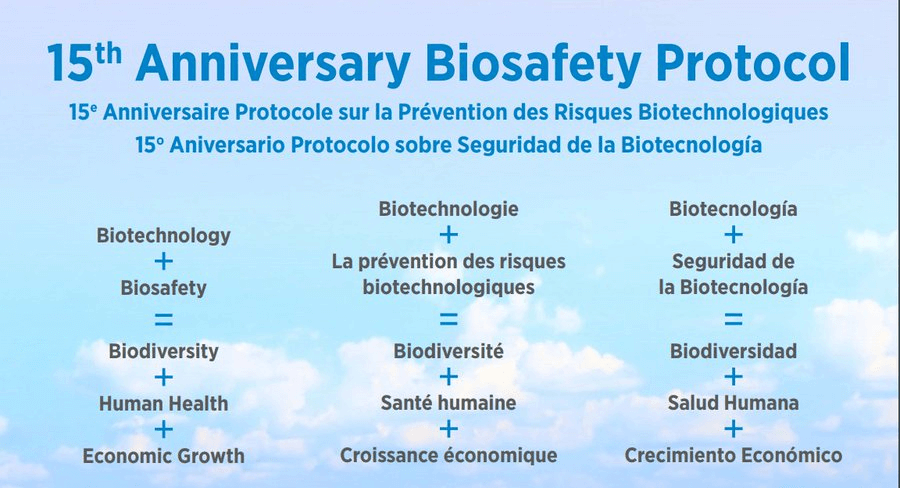
The protocol, a supplement to the UN Convention on Biological
Diversity, seeks to protect biological diversity from the potential risks posed by GMOs. About 173 countries have so far ratified it.
Dr. Ahmed said following the ratification of the Cartagena Protocol, Sudan approved a framework for a national biosafety law. It then set up a National Council for Biosafety and subsequently approved its first GM crop, Bt cotton.
“The government adopted Bt cotton after a long process of risk
assessment and consultation with communities,” she said. “All farmers in Sudan have now adopted GM cotton because it is better than conventional cotton and they have said they will not grow other varieties again.”
Monitoring and evaluation mechanisms
Dr Ahmed added that approval processes for other GM crops are ongoing and efforts are being made to set up appropriate monitoring and evaluation mechanisms.
Dr. Roy Mugiira of Kenya’s National Biosafety Authority also said Kenya was among the first countries to ratify the Cartagena Protocol. “Following that, we developed the National Biotech Development Policy. It was a policy document for a framework on how the country will interact with this new technology,” he said.
Kenya subsequently approved a National Biosafety Act in 2009 and established a National Biosafety Authority. In 2011 and 2012, Kenya published regulations to govern the conduct of business in contained use, research, trials, environmental release, export, import, transit, and labeling of GMOs.
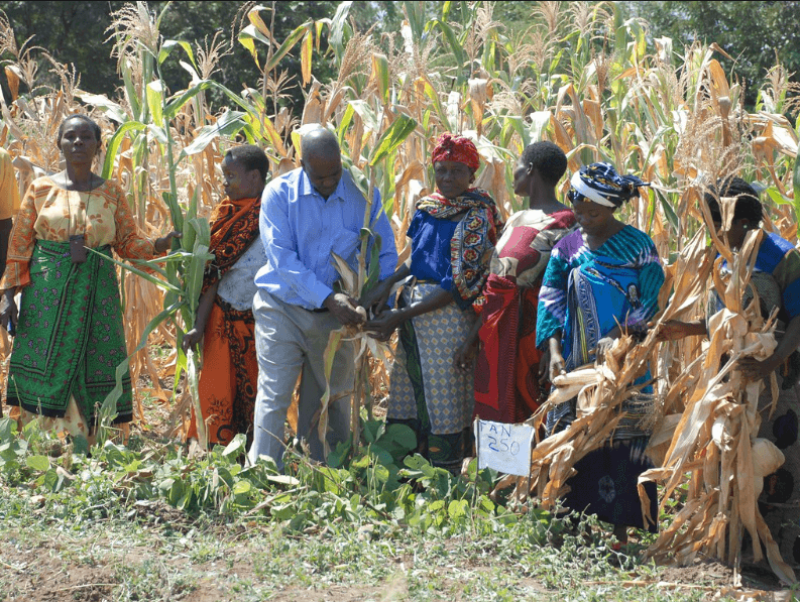
“In 2019, we approved genetically modified Bt cotton for cultivation. We have also approved Bt maize which farmers will have in the next cropping cycle in March. We are happy that we are progressing well,” Dr. Mugiira added.


Lilian Chimphepo, who is the Biosafety Registrar at the Ministry of Natural Resources and Climate Change in Malawi, also said Malawi ratified the Cartagena Protocol in 2009.
“We developed our Biosafety Act in 2002 and biosafety regulations in 2007. And then the National Biotech and Regulation Policy in 2008. There was a time we had a food crisis and we received a donation of GM maize,” she said.
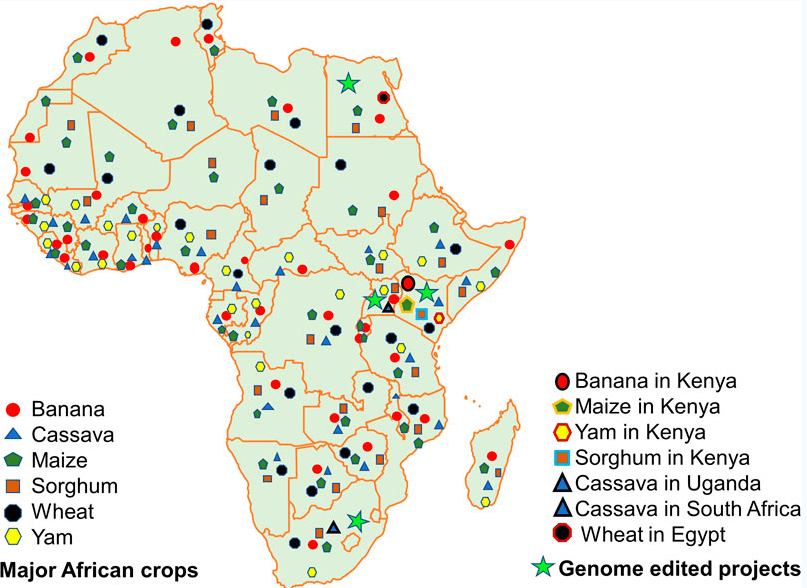
“But we didn’t have any legal framework so we came up with one to enable us to manage GMO-related matters. We have so far approved GM cotton for commercialization. In 2019 and 2020, farmers grew Bt cotton. Aside from Bt cotton, we have had confined field trials for Bt cowpea and transgenic GM bananas.”
Credit: Karembu, 2021
Committed delegates
Mr. Eric Okoree of Ghana’s National Biosafety Authority also said his country ratified the Cartagena Protocol in 2003. In 2011, the National Biosafety Act was approved to govern the application of GMOs to crop production.
Ghana has since approved its first GM crop, the GM cowpea. “Ghana wasn’t slow in approving GMOs. We were very purposeful,” he said, adding that African countries which attended the UN Biodiversity Conference wanted to negotiate for what the continent needed and not what is dictated to it.”
“Africa is organized and prepared. We know what we came here for. We have committed delegates who can argue on any platform about GMOs,” he said.
Joseph Gakpo is a journalist in Ghana with significant experience in agriculture and works in a variety of news formats. You can follow Joseph on Twitter @josephopoku1990
A version of this article was posted at Cornell Alliance for Science and is used here with permission. Check out Cornell Alliance for Science on Twitter @ScienceAlly