Cell-based meat: Why the FDA’s cultivated chicken safety clearance is only the first step in popularizing what many consumers still consider ‘just a lab experiment’

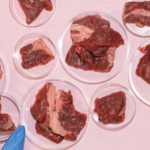
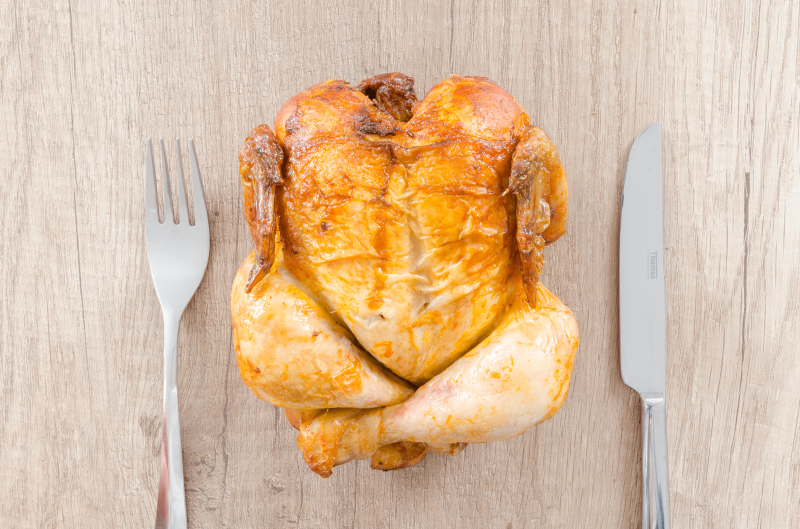
pexels photo
Credit: Lukas/Pexels (Public Domain)

Last fall, cultivated-meat company Upside Foods became the first in the U.S. to be viewed as safe for human consumption by the Food and Drug Administration.

Follow the latest news and policy debates on sustainable agriculture, biomedicine, and other ‘disruptive’ innovations. Subscribe to our newsletter.

But getting consumers on board — and the products on grocery shelves — promises to be a steep climb.

The cultivated-meat industry could have a wider consumer base than previously introduced alternative meat products, because unlike plant-based meats, it’s “real” meat — minus the slaughtered animals.

If the taste is up to snuff… Upside’s products could potentially appeal to both conflicted carnivores and vegetarians who avoid meat for environmental or animal-welfare concerns. The challenge for companies like Upside is getting the public on board with eating meat made in a lab from animal cells.

While the FDA milestone last November was a watershed moment in the cultivated-meat industry, Upside still has a number of regulatory hurdles to get over before its products enter the U.S. market.

These moves have paved the way for others. While the FDA doesn’t typically discuss the status of ongoing consultations, the agency says it’s already in talks with other companies working to make food from animal cells.


This is an excerpt. Read the original post here

Related Articles

Infographic: Global regulatory and health research agencies on whether glyphosate causes cancer

Infographic: Global regulatory and health research agencies on whether glyphosate causes cancer

Does glyphosate—the world's most heavily-used herbicide—pose serious harm to humans? Is it carcinogenic? Those issues are of both legal and ...

Most Popular

ChatGPT-Image-Mar-10-2026-01_39_01-PM
Viewpoint—“Miracle molecule” debunked: Why acemannan supplements don’t work
Screenshot-2026-09-10-at-11.50.46-AM
Did COVID vaccines kill 2,500 service members? RFK Jr. hires an investigator who compares vaccine promoters to Nazi doctors
Screenshot-2026-09-11-at-2.26.23-PM
Newly approved GMO chestnut trees planted across from the White House are stirring debate
ChatGPT-Image-Sep-13-2026-10_24_17-AM
Bayer urges court to approve $7.25 billion Monsanto Roundup settlement that could limit its future liabilities
ChatGPT-Image-Sep-15-2026-06_05_13-PM
CRISPR fine-tuning unlocks vitamin C-rich potatoes without yield loss
ChatGPT-Image-Sep-15-2026-05_59_18-PM
RFK Jr. spent two years distancing himself from Children’s Health Defense. Now he’s keynoting its anti-vaccine DC conference.
Screenshot-2026-09-10-at-12.20.19-PM
'Jet fuel didn't melt the steel': 9/11 conspiracy theories debunked
ChatGPT-Image-Aug-28-2026-03_33_46-PM
Viewpoint: Bad science—Five bogus Trump administration claims about vaccines and autism
Screenshot 2026-09-10 at 11.28
A meaty problem: How to make cell-grown protein taste like steak, chicken, and seafood
Screenshot-2026-09-15-at-11.04.54-AM
Viewpoint: Childhood deaths in dispute: Why the CDC vs Pennsylvania conflict over measles vaccines matters
ChatGPT-Image-Aug-14-2026-11_16_47-AM
Fibermaxxing: Latest Instagram diet craze raises hope that a fiber-rich diet can improve health
organic-labeling-slide-dcba-aa-c-a-dde-a-fcd-e-c-d-
Viewpoint: Organic food costs more—but is it healthier, safer, and more nutritious? The latest science findings may surprise you.
glp menu logo outlined

Get news on human & agricultural genetics and biotechnology delivered to your inbox.