CRISPR is cheap, effective and easy to use. That’s why human germline editing scares even some proponents

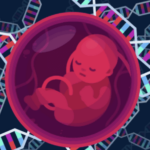
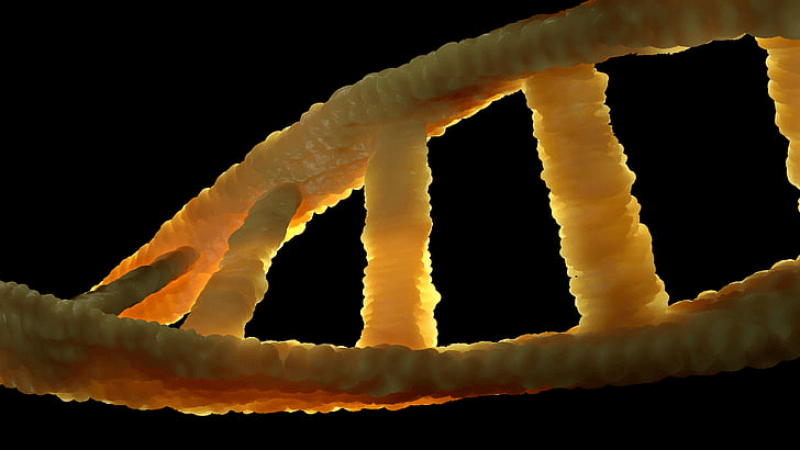
dna dns biology genetic material preview
Credit: PickPik (Public Domain)

After years of hit-and-miss efforts, a gene-editing system called Crispr that’s cheap, effective and easy to use promises to change our relationship with genetics — for better, worse or both. Its champions foresee using Crispr to control pests, increase food production and eliminate human diseases. They simultaneously worry that its use could unleash dangerous mutants, designer babies and new weapons of mass destruction. In the meantime, Crispr has given birth to a new biotechnology industry that is beginning to show promise in treating some intractable illnesses.

Follow the latest news and policy debates on sustainable agriculture, biomedicine, and other ‘disruptive’ innovations. Subscribe to our newsletter.

A researcher with basic skills and just a few hundred dollars’ worth of equipment can employ Crispr, creating enormous space for innovation, and abuse. The gene-editing system isn’t perfect. It makes unintended cuts in DNA, with effects unknown. Scientists are working on minimizing these slip-ups. A newer method of gene revision, called prime editing, is thought to produce fewer unwanted alterations.

Potentially, a genetic disease could be eliminated from a family forever. But if something goes wrong, the consequences are potentially eternal, too, affecting future generations who would not have given their consent to the intervention. Some scientists worry that germline editing would invite enhancements of babies for non-medical reasons and could even lead to the division of humans into subspecies.

This is an excerpt. Read the full article here

{{ reviewsTotal }}{{ options.labels.singularReviewCountLabel }}
{{ reviewsTotal }}{{ options.labels.pluralReviewCountLabel }}
{{ options.labels.newReviewButton }}
{{ userData.canReview.message }}

Related Articles

Infographic: Global regulatory and health research agencies on whether glyphosate causes cancer

Infographic: Global regulatory and health research agencies on whether glyphosate causes cancer

Does glyphosate—the world's most heavily-used herbicide—pose serious harm to humans? Is it carcinogenic? Those issues are of both legal and ...

Most Popular

Screenshot-2026-03-13-at-12.14.04-PM
The FDA wants to make many popular prescription drugs OTC—a great idea. Here’s why it’s unlikely to happen
Screenshot 2026-05-06 at 2.56
Singularity crisis ahead? Can super babies save us from rogue AI geniuses?
Screenshot-2026-05-04-at-12.54.32-PM
How Utah became the country’s supplement capital  — and a haven for unregulated, ineffective and fake products
Screenshot-2026-04-20-at-2.26.27-PM
Viewpoint — Food-fear world: The latest activist scientists campaign: Cancer-causing additives
Screenshot-PM-24
Viewpoint: The herbicide glyphosate isn’t perfect. Banning it would be far worse.
images
The never-ending GMO debate: Pros and cons
Screenshot-2026-05-01-at-11.56.24-AM
‘Science moves forward when people are willing to think differently’: Memories of DNA maverick Craig Venter
Screenshot-2026-04-03-at-11.15.51-AM
Paraben panic: How a flawed study, media hype, and chemophobia convinced the public of the danger of one of the safest classes of preservatives
Screenshot-2026-04-30-at-2.19.37-PM
5 myths about summer dehydration that could damage your health — or even kill you
79d03212-2508-45d0-b427-8e9743ff6432
Viewpoint: The Casey Means hustle—Wellness woo opportunism dressed up as medical wisdom
ChatGPT-Image-May-1-2026-02_20_13-PM
How RFK, Jr.’s false vaccine claims are holding up $600 million to fight diseases in poor countries
glp menu logo outlined

Get news on human & agricultural genetics and biotechnology delivered to your inbox.