Sucralose, aspartame, stevia: With the use of sugar substitutes continuing to rise, questions mount about their impact on diets

screenshot pm
Credit: National Kidney Foundation

Many people are cutting back on their sugar intake for health reasons. But the food industry has found another way to give consumers their sweet fix.

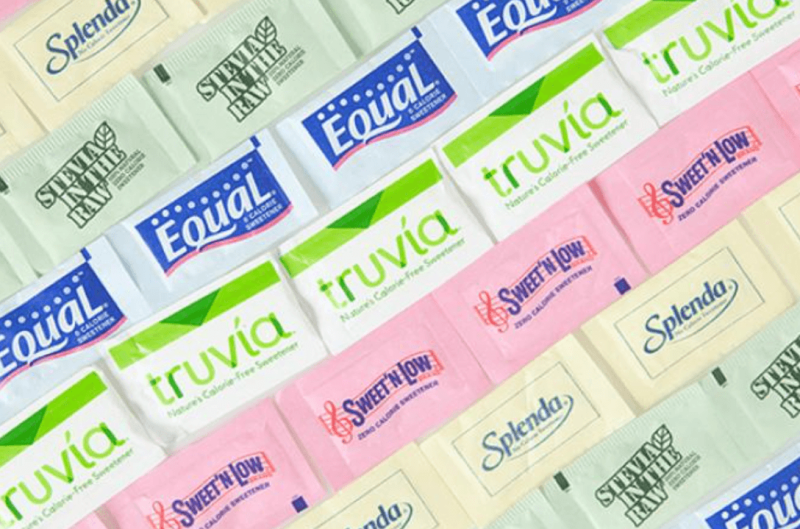
It is quietly replacing the sugar in many packaged foods with sucralose, stevia, allulose, erythritol and a wide variety of other artificial sweeteners and sugar substitutes.

Mis- and disinformation are distorting science and public policy. Subscribe to our Daily and Weekly Digests for incisive coverage of ‘disruptive’ innovations in AI, agricultural biotechnology, food, chemicals, nuclear energy, vaccines, and other disruptive innovations.

The number of food products containing low- or no-calorie sugar substitutes has surged in the past five years, according to an analysis by Mintel, the market research firm.

Scientists used to think that non-nutritive sweeteners were largely inert, activating sweet receptors on our tongues and passing through our bodies without causing metabolic changes.

But one rigorous study led by Suez at the Weizmann Institute of Science with researcher Eran Elinav looked at what happened when people were given aspartame, saccharin, stevia, or sucralose in amounts well below the FDA’s daily allowances. The study found that these sweeteners caused changes in both the function and composition of the participants’ gut microbiomes, the communities of bacteria, viruses and fungi that live in the intestines.


Related Articles

Infographic: Global regulatory and health research agencies on whether glyphosate causes cancer

Infographic: Global regulatory and health research agencies on whether glyphosate causes cancer

Does glyphosate—the world's most heavily-used herbicide—pose serious harm to humans? Is it carcinogenic? Those issues are of both legal and ...

Most Popular

Screenshot-2026-09-16-at-2.26.42-PM
Viewpoint: How to ecologically damage America’s forests: Ban glyphosate
Screenshot-2026-09-20-at-9.03.54-AM
From Malaysia to the world: A pioneering science communicator reimagines global science communication for a digital age
ChatGPT-Image-Mar-10-2026-01_39_01-PM
Viewpoint—“Miracle molecule” debunked: Why acemannan supplements don’t work
ChatGPT-Image-Sep-17-2026-12_28_43-PM
Vitamin D, omega-3 fish oil and glucosamine supplements could cause brain damage 
Screenshot-2026-09-20-at-4.31.28-PM
White House drafting executive order to control what OMB Director Vought claims are “woke” NIH science grants
ChatGPT-Image-Sep-20-2026-04_22_32-PM
What’s Trump’s ‘AI Force’? Administration rushes to announce ill-defined watchdog agency and czar amid criticism of its resistance to curb AI acceleration
Screenshot-2026-08-12-at-11.31.46-AM
AI is helping develop new vaccines
Screenshot-2026-09-14-at-4.31.14-PM
Viewpoint: What’s the likely impact when the EPA loosens rules limiting methane pollution from oil and gas wells?
Screenshot-2026-08-19-at-6.19.42-PM
Facts & Fallacies podcast: 'Regenerative farming'? RFK Jr.’s federal push romanticizes the past and risks food security
ChatGPT-Image-Sep-18-2026-10_49_24-AM
‘Symptom borrowing’: Young people are copying health problems they see on TikTok
ChatGPT-Image-Aug-28-2026-03_33_46-PM
Viewpoint: Bad science—Five bogus Trump administration claims about vaccines and autism
ChatGPT-Image-Sep-11-2026-01_53_42-PM
Should doctors engage in social media to counter misinformation?
glp menu logo outlined

Get news on human & agricultural genetics and biotechnology delivered to your inbox.