An on-off switch for anxiety? Genetic pathway mice could lead to human treatments

images interestingengineering
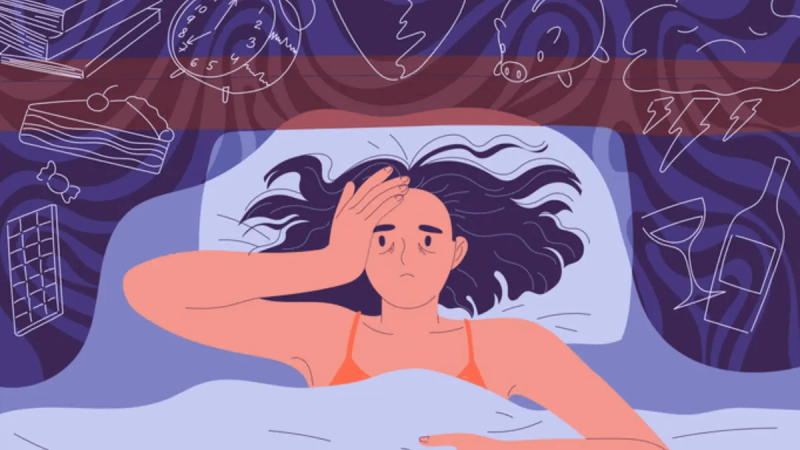
Credit: Undrey/Interesting Engineering

Researchers have identified an area of human and mouse DNA that plays a role in controlling anxiety.

A University of Aberdeen team found a section of DNA which “switches” on key genes in parts of the brain that affect anxiety levels in mice.

They found removal of the “switch” increased anxiety in the animals.

The team now hope further research into the switch could help improve the lives of anxiety patients by identifying a new drug target.

Follow the latest news and policy debates on sustainable agriculture, biomedicine, and other ‘disruptive’ innovations. Subscribe to our newsletter.

Both humans and mice have similar genomic mechanisms controlling mood and researchers said the “switch” they discovered is part of these mechanisms in both species.

Professor Alasdair Mackenzie’s team recognised that many of these switches have remained virtually unchanged or conserved for hundreds of millions of years and can be found in both humans and mice.

Dr Andrew McEwan, also from the university, said: “To understand the basis of complex human diseases, that includes mental illness and other conditions such as obesity, depression and addiction, it is as important to understand the mechanisms that ensure proper production of proteins in the right cells as it is to understand the proteins themselves.”


This is an excerpt. Read the full article here

{{ reviewsTotal }}{{ options.labels.singularReviewCountLabel }}
{{ reviewsTotal }}{{ options.labels.pluralReviewCountLabel }}
{{ options.labels.newReviewButton }}
{{ userData.canReview.message }}

Related Articles

Infographic: Global regulatory and health research agencies on whether glyphosate causes cancer

Infographic: Global regulatory and health research agencies on whether glyphosate causes cancer

Does glyphosate—the world's most heavily-used herbicide—pose serious harm to humans? Is it carcinogenic? Those issues are of both legal and ...

Most Popular

Screenshot-2026-06-05-at-2.12.30-PM
Some plants can poison you. So how did humans figure out what is safe to eat?
ChatGPT-Image-Mar-10-2026-01_39_01-PM
Viewpoint—“Miracle molecule” debunked: Why acemannan supplements don’t work
Screenshot 2025-07-30 at 10.48
Can gene editing eliminate Down syndrome? Scientists have done it in lab-grown cells
ChatGPT-Image-May-26-2026-07_51_21-AM-2
Viewpoint: There are more than 1,000 chemicals in a cup of coffee—including many substances that can cause cancer. Why isn’t it banned?
Screenshot 2026-05-26 at 10.15
Viewpoint: Double standard—Why does the wellness industry get a free pass while Big Healthcare is treated as morally suspect?
Screenshot-2026-06-04-at-12.05.08-PM
Cases of brain inflammation surge as U.S. measles pandemic approaches 2000
Screenshot-2026-05-28-at-1.36.28-PM
Viewpoint: Can mRNA research survive the Trump administration?
Screenshot-2026-06-05-at-11.12.44-AM
‘Protecting religious liberty and parental authority’: Challenging expert guidance, Trump signs off on Kennedy’s gutting of childhood vaccine schedule
Picture1
Sounds we can’t hear — the hidden planetary signals behind science, fear, and misinformation
Credit: ACSH
Viewpoint: Who and what’s to blame for the surge in vaccine-preventable diseases?
glp menu logo outlined

Get news on human & agricultural genetics and biotechnology delivered to your inbox.