Viewpoint: Will India embrace a second green revolution — one focused on sustainable agriculture instead of yield?

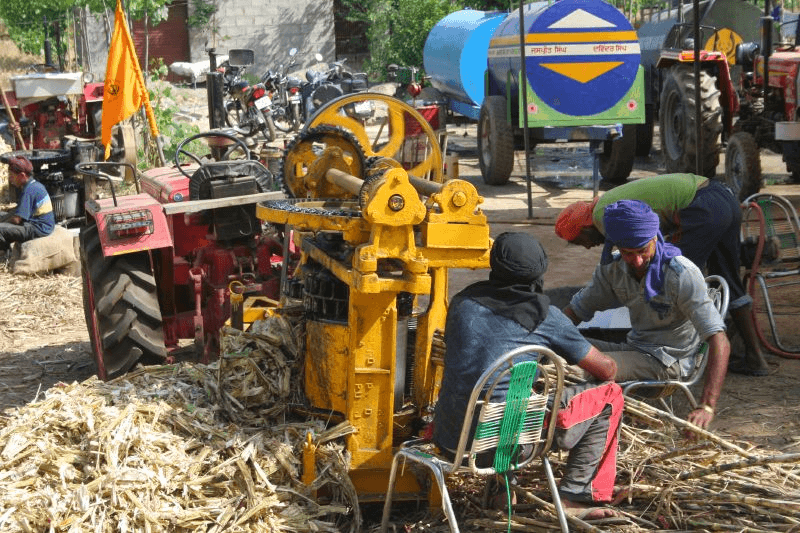
Raw and crushed sugarcane, next to a sugarcane crusher and tractor. Credit: Sixtybolts via Flickr and CC-BY-SA-2.0

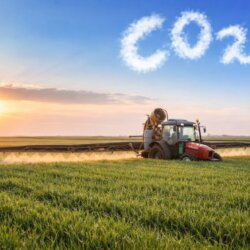
Methane is a dangerous heat-trapping gas responsible for 47 per cent of India’s greenhouse gas (GHG) emissions. The agricultural sector dominates India’s harmful emissions to the tune of 37 per cent and methane does 81 per cent of the damage within the sector.

Mis- and disinformation are distorting science and public policy. Subscribe to our Daily and Weekly Digests for incisive coverage of ‘disruptive’ innovations in AI, agricultural biotechnology, food, chemicals, nuclear energy, vaccines, and other disruptive innovations.

Indian farming over-uses resources like water, seeds and fertilizers.

The need of the hour is to fashion a win-win-win in agriculture. In such a program, the economy will benefit by uplifting the farming sector, which can best be achieved by raising productivity to best-of-breed levels (no pun intended). Second, resources like water, soil, seeds and fertilizer will be better conserved. And third, the new techniques will dramatically reduce GHGs.

…
India has a unique GHG profile and a unique agricultural sector. This presents both unique problems and opportunities for an India-specific mitigation plan. We need our agricultural experts to fashion a second green revolution by implementing such a win-win-win plan as the highest priority towards accelerating net zero. As side benefits, we will better preserve precious resources like freshwater, and boost the economy. After agriculture, the next biggest GHG culprit is the electricity sector, which is the topic of the next article in the series.


This is an excerpt. Read the original post here

Related Articles

Infographic: Global regulatory and health research agencies on whether glyphosate causes cancer

Infographic: Global regulatory and health research agencies on whether glyphosate causes cancer

Does glyphosate—the world's most heavily-used herbicide—pose serious harm to humans? Is it carcinogenic? Those issues are of both legal and ...

Most Popular

ChatGPT-Image-Mar-10-2026-01_39_01-PM
Viewpoint—“Miracle molecule” debunked: Why acemannan supplements don’t work
Screenshot-2026-09-17-at-1.07.08-PM
'We are dangerously addicted to antidepressants': Should we heed RFK Jr.’s sobering warning?
Screenshot-2026-09-03-at-10.51.20-AM
Viewpoint: Why do online health lies outlive the evidence that debunks them? Read "Everyone Else Is Lying to You"
ChatGPT-Image-Sep-23-2026-01_52_03-PM
Viewpoint: 4 very real AI doomsday scenarios
ChatGPT-Image-Sep-2-2026-02_03_32-PM
How much of a problem is AI’s water use?
Screenshot-2026-09-22-at-11.40.28-AM
After Idaho criminalized abortion providers in 2022, one-third of obstetricians fled. Health care advocates are making rural health the case for repealing the ban
Screenshot-2026-09-23-at-3.15.09-PM
Anti-GMO activists in Pakistan rev up their campaign of dire warnings
ChatGPT-Image-Aug-26-2026-12_46_16-PM
Viewpoint: The fake controversy over whether combining childhood vaccines is dangerous— a debate science resolved 25 years ago
ChatGPT-Image-Sep-22-2026-10_32_46-AM
There has been a slew of recent reports of food recalls and foodborne outbreaks. Do we face an escalating problem?
Screenshot-2026-09-23-at-11.55.01-AM
How can we know if social media bans actually help teens?
Screenshot-2026-09-17-at-12.00.30-PM
Investigative group ProPublica finds links between ectopic pregnancy deaths and abortion bans
Screenshot-2026-09-10-at-12.20.19-PM
'Jet fuel didn't melt the steel': 9/11 conspiracy theories debunked
glp menu logo outlined

Get news on human & agricultural genetics and biotechnology delivered to your inbox.