
Many of us will experience “lethologica”, or difficulty finding words, in everyday life. And it usually becomes more prominent with age.
Frequent difficulty finding the right word can signal changes in the brain consistent with the early (“preclinical”) stages of Alzheimer’s disease – before more obvious symptoms emerge. However, a recent study from the University of Toronto suggests that it’s the speed of speech, rather than the difficulty in finding words that is a more accurate indicator of brain health in older adults.
The researchers asked 125 healthy adults, aged 18 to 90, to describe a scene in detail. Recordings of these descriptions were subsequently analysed by artificial intelligence (AI) software to extract features such as speed of talking, duration of pauses between words, and the variety of words used.
Participants also completed a standard set of tests that measure concentration, thinking speed, and the ability to plan and carry out tasks. Age-related decline in these “executive” abilities was closely linked to the pace of a person’s everyday speech, suggesting a broader decline than just difficulty in finding the right word.
A novel aspect of this study was the use of a “picture-word interference task”, a clever task designed to separate the two steps of naming an object: finding the right word and instructing the mouth on how to say it out loud.
During this task, participants were shown pictures of everyday objects (such as a broom) while being played an audio clip of a word that is either related in meaning (such as “mop” – which makes it harder to think of the picture’s name) or which sounds similar (such as “groom” – which can make it easier).
Interestingly, the study found that the natural speech speed of older adults was related to their quickness in naming pictures. This highlights that a general slowdown in processing might underlie broader cognitive and linguistic changes with age, rather than a specific challenge in memory retrieval for words.
How to make the findings more powerful
While the findings from this study are interesting, finding words in response to picture-based cues may not reflect the complexity of vocabulary in unconstrained everyday conversation.
Verbal fluency tasks, which require participants to generate as many words as possible from a given category (for example, animals or fruits) or starting with a specific letter within a time limit, may be used with picture-naming to better capture the “tip-of-the-tongue” phenomenon.
The tip-of-the-tongue phenomenon refers to the temporary inability to retrieve a word from memory, despite partial recall and the feeling that the word is known. These tasks are considered a better test of everyday conversations than the picture-word interference task because they involve the active retrieval and production of words from one’s vocabulary, similar to the processes involved in natural speech.
While verbal fluency performance does not significantly decline with normal ageing (as shown in a 2022 study), poor performance on these tasks can indicate neurodegenerative diseases such as Alzheimer’s.




The tests are useful because they account for the typical changes in word retrieval ability as people get older, allowing doctors to identify impairments beyond what is expected from normal ageing and potentially detect neurodegenerative conditions.
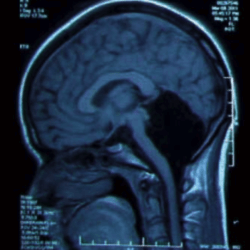
The verbal fluency test engages various brain regions involved in language, memory, and executive functioning, and hence can offer insights into which regions of the brain are affected by cognitive decline.
The authors of the University of Toronto study could have investigated participants’ subjective experiences of word-finding difficulties alongside objective measures like speech pauses. This would provide a more comprehensive understanding of the cognitive processes involved.
Personal reports of the “feeling” of struggling to retrieve words could offer valuable insights complementing the behavioural data, potentially leading to more powerful tools for quantifying and detecting early cognitive decline.
Opening doors
Nevertheless, this study has opened exciting doors for future research, showing that it’s not just what we say but how fast we say it that can reveal cognitive changes.
By harnessing natural language processing technologies (a type of AI), which use computational techniques to analyse and understand human language data, this work advances previous studies that noticed subtle changes in the spoken and written language of public figures like Ronald Reagan and Iris Murdoch in the years before their dementia diagnoses.
While those opportunistic reports were based on looking back after a dementia diagnosis, this study provides a more systematic, data-driven and forward-looking approach.
Using rapid advancements in natural language processing will allow for automatic, detection of language changes, such as slowed speech rate.
This study underscores the potential of speech rate changes as a significant yet subtle marker of cognitive health that could aid in identifying people at risk before more severe symptoms become apparent.
Claire Lancaster is a Lecturer in dementia at the University of Sussex.
Alice Stanton is a PhD candidate studying dementia at the University of Sussex.
A version of this article was originally posted at the Conversation and is reposted here with permission. Any reposting should credit both the GLP and original article. The Conversation can be found on X @ConversationUS