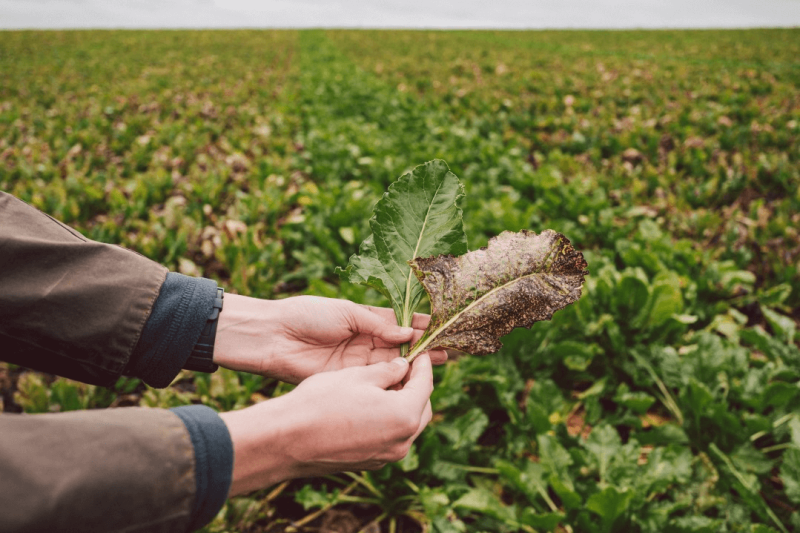

Excessive farming of domesticated plants over the wild-type cultivars could threaten the conservation of the wild-type genetic variant causing genetic loss. As our climate becomes more unpredictable, ensuring a stable food supply requires expanding our agricultural land.
…
Urbanisation compounds this problem, as the expansion of cities for commercial development consumes large amounts of land, further endangering plant genetic diversity. Climate change is an increasingly alarming threat to the conservation of genetic diversity in wild plants. The extreme weather patterns it causes, such as excessive rainfall, lead to flooding and landslides. Rising sea levels contribute to land erosion, further reducing available land.
Advanced biotechnology and breeding methods enable us to make crops more resilient and productive. For example, previous studies incorporating disease-resistance genes and dwarf genes from wild cultivars into domesticated wheat and tomatoes have significantly improved yields.



…
Information from large-scale biological data together with the recent advancement in plant genome editing such as CRISPR-Cas9 .. offers a promising solution. This cutting-edge technique has the potential to significantly boost food productivity and tackle food scarcity by altering genes that influence crop growth and productivity more efficiently.