Ideological science—How the International Agency for Research on Cancer (IARC) promotes unscientific hysteria about red meat

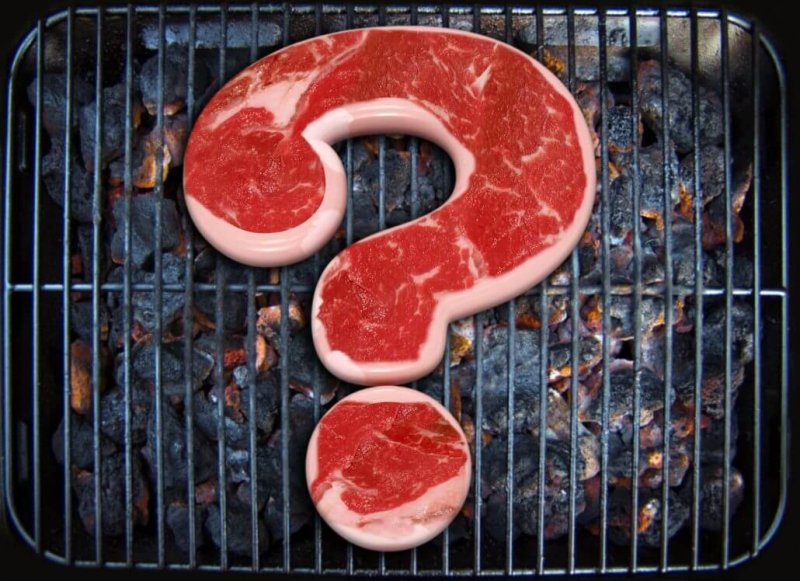
red-meat-cancer-connection-1030x749

In 2015, the International Agency for Research on Cancer (IARC) of the World Health Organization (WHO) designated processed meats (hot dogs, bacon, ham, sausage, cold cuts) as Group 1 carcinogens, a “certain” cause of cancer, and fresh red meat (beef, pork, lamb) as Group 2A, or “probable” carcinogens.

…

This IARC announcement was an historic event. For the first time ever, a global health organization had declared a major component of all human diets throughout history to be a likely carcinogen. Yet to support this 2015 claim, the IARC released a mere two-page summary of its findings, in Lancet Oncology. […]

Mis- and disinformation are distorting science and public policy. Subscribe to our Daily and Weekly Digests for incisive coverage of ‘disruptive’ innovations in AI, agricultural biotechnology, food, chemicals, nuclear energy, vaccines, and other disruptive innovations.

Four years after the IARC’s 2015 decision, the most rigorous, comprehensive reviews of red meat ever conducted were published in the prestigious Annals of Internal Medicine. […]

Despite this major review, Bernard Stewart recently wrote to me [Nina Teicholz]: “To my knowledge, the IARC… [has] not been subject to adverse criticism or made aware of a perceived need for additional information to justify the outcomes made, either at the time or since.” Stewart did not reply to further emails asking him about the contradictory conclusions of the GRADE reviews.


This is an excerpt. Read the original post here

Related Articles

Infographic: Global regulatory and health research agencies on whether glyphosate causes cancer

Infographic: Global regulatory and health research agencies on whether glyphosate causes cancer

Does glyphosate—the world's most heavily-used herbicide—pose serious harm to humans? Is it carcinogenic? Those issues are of both legal and ...

Most Popular

ChatGPT-Image-Sep-23-2026-02_36_39-PM
Viewpoint: After firing the entire National Science Board, Trump reshapes funding initiatives. Here’s the good and the bad.
ChatGPT-Image-Sep-10-2026-10_36_07-AM
Viewpoint: Even lousy scientific articles can shield authors when they hype dubious health claims and products
ChatGPT-Image-Mar-10-2026-01_39_01-PM
Viewpoint—“Miracle molecule” debunked: Why acemannan supplements don’t work
sorghum farmers in kenya FARMERS TREND
Here are all the ways CRISPR gene editing is transforming Africa’s staple crops—and there’s a lot more innovation to come
Screenshot-2026-10-01-at-11.21.27-AM
Vaccine hesitancy, like malaria, surges globally, topping 35% in some countries
ChatGPT-Image-Sep-30-2026-01_25_34-PM
Blood tests for Alzheimer’s? The latest grifter, social media scam.
ChatGPT-Image-Sep-30-2026-01_38_36-PM
Viewpoint: Died “with measles” vs. died “from measles”: RFK, Jr.’s dangerously subversive word games
ChatGPT-Image-Sep-30-2026-01_11_07-PM
How U.S. teamed with Russia to block global human AI weapons oversight
ChatGPT-Image-Sep-21-2026-03_15_09-PM
Viewpoint: Chipotle-inspired lesson: 10,000 sick customers suggest that processed foods can be safer than fresh ones
ChatGPT-Image-Sep-2-2026-02_03_32-PM
How much of a problem is AI’s water use?
glp menu logo outlined

Get news on human & agricultural genetics and biotechnology delivered to your inbox.