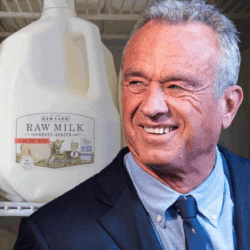
Historically, raw milk advocacy was tied to countercultural, naturalist movements often associated with the political left. In the mid-20th century and into the 2000s, proponents—think organic food enthusiasts, hippies, and liberal foodies—praised raw milk for its supposed nutritional superiority, arguing that pasteurization destroys beneficial enzymes and nutrients. Critics highlight serious risks—bacterial infections that can cause illness or even death, a danger pasteurization eliminates.

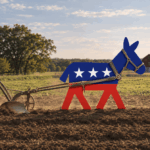
The debate’s politicization often overshadows the facts. Factions on the far left and far right have bonded on this issue. For the science-distrustful right, advocating for raw milk embodies their growing distrust of “elites” and nostalgia for a pre-industrial past that they share with the far left. But at least on this issue, mainstream liberals align with institutional science and view the far right’s sudden romance with raw milk with a combination of bemusement and alarm.
These shifting alliances and association mirror broader changes in American politics accelerated by Donald Trump’s influence and a growing rural, working-class GOP base skeptical of institutions, experts and big business. Raw milk, a product consumed by just 4.4% of Americans, has thus become a microcosm of cultural and ideological battles, far removed from its apolitical roots in health food aisles.
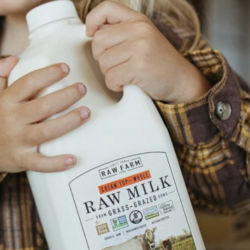


Join GLP founder Jon Entine and longtime contributor Cameron English as they discuss the politics and science behind the raw milk fervor. Follow this link or listen to the conversation below:
— @camjenglish (@camjenglish) February 28, 2025
Jon Entine, founder and executive director of the Genetic Literacy Project, is an Emmy-winning investigative TV News producer and author of seven books, including three on genetics. Please follow him on X at @JonEntine
Cameron J. English is the director of bio-sciences at the American Council on Science and Health. Visit his website and follow him on X @camjenglish