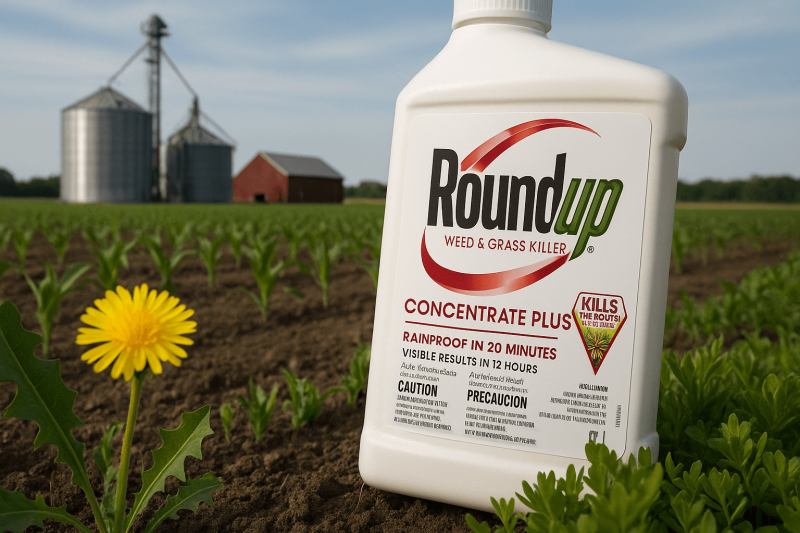
Glyphosate is not risk-free — no chemical is. But compared to alternatives (even “natural” ones), it remains one of the most studied and tightly regulated herbicides globally. Its demonisation wasn’t born from toxicological evidence, but from a movement that merged environmental fear, anti-corporate sentiment, and commercial competition — sometimes at the expense of scientific nuance.
Banning glyphosate without viable, scalable alternatives would increase production costs, lower yields, and threaten food prices — at a time when global supply chains are already under pressure.
…

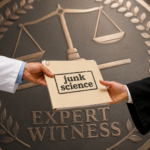
The real threat is not glyphosate itself, but the erosion of trust in scientific institutions. When complex decisions are reduced to memes and courtroom theatrics, society loses the ability to make informed, balanced choices. Glyphosate is not perfect, but its demonisation has become a cautionary tale about what happens when public policy is driven by fear instead of facts.