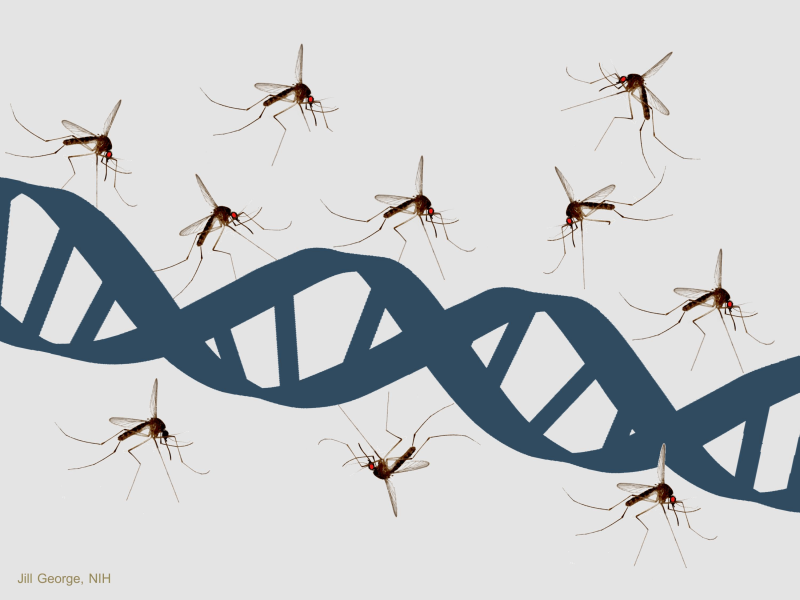

Each year, 263 million people get malaria. But from the parasite’s perspective, infecting humans is harder than you might think, and requires completing an epic journey within the tiny body of a mosquito.
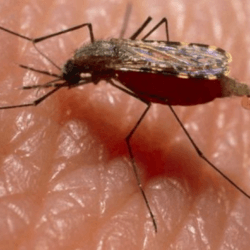
First, the mosquito must suck the blood of an individual infected with malaria — bringing the Plasmodium parasite into the insect’s gut. Then the parasite must travel to the critter’s salivary glands, where it’s poised to be injected into the mosquito’s next victim via a bite.
Now a team of researchers have found a way to interrupt this crucial journey.
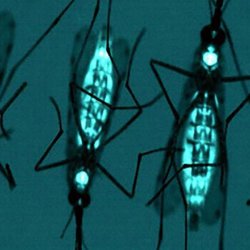
By using gene editing to make a tiny tweak to the mosquito’s genome — one that changes just a single amino acid — parasites were largely prevented from reaching their final destination. The change effectively rendered laboratory mosquitoes highly resistant to spreading malaria, researchers report … in Nature.
…



That tiny tweak could be spread through a whole mosquito population using a gene drive, a genetic technology … that causes a specific mutation or gene to be passed on to virtually all offspring, instead of just 50%.