In a world worried about looming food shortages triggered by the climate crisis, the collapse in rice prices — now approaching their lowest in 18 years — is evidence that interventions by governments and modern agricultural methods may save the day.
The key is productivity: more food from fewer farmers.
When we think about technological advances, what comes to mind are the internet, smartphones and now the arrival of artificial intelligence. But farming has enjoyed a dramatic and often overlooked productivity revolution: Over the last century, crop yields have exploded. Rice is a great example. In 1975, farmers around the world harvested an average of 2.4 metric tons per hectare; the yield improved to 3.8 tons by 2000, and today it’s almost doubled to 4.7 tons.
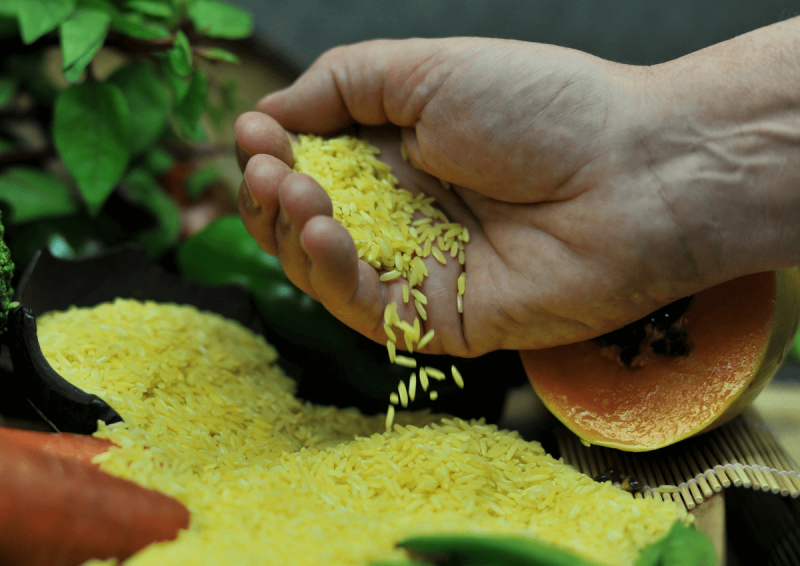
The world — and Asia in particular — can do more to extend the productivity boom. … Advances in agricultural genetics, which can create plants that tolerate both less rainfall and flooding, should be encouraged, not banned.

…
More productive farming ultimately means fewer farmers. And that’s a good thing — Asia and Africa need more food, not more people working the land.