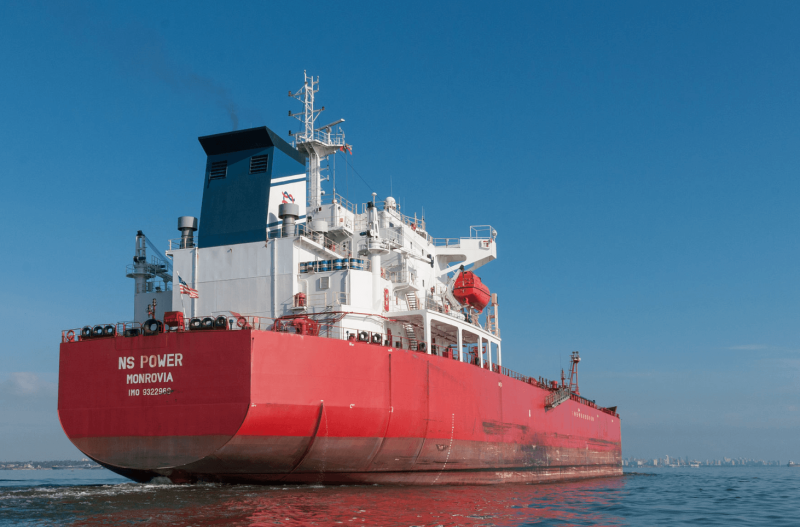
[Soon], the final deliveries of oil and liquefied natural gas to Asia that passed through the Strait of Hormuz before it was closed are expected to arrive. The last tanker shipments to Europe should land by mid-April. After that, many countries’ reserves of gasoline, diesel, liquid petroleum gas and natural gas will dwindle. The price of oil could soar as high as $200 a barrel if the war drags on.

Fatih Birol, the head of the International Energy Agency, has called this “the greatest global energy security threat in history” — much worse than the 1970s oil crisis, the Covid pandemic or Russia’s invasion of Ukraine in 2022. This conflict has disrupted a bigger share of the global oil and gas trade, and there is no way to quickly fill the gap.
Countries such as India, Indonesia and Vietnam are responding to higher gas prices by burning more coal. But over the long term, this shock will accelerate a turn toward cleaner technologies, especially in Asia and Europe. …