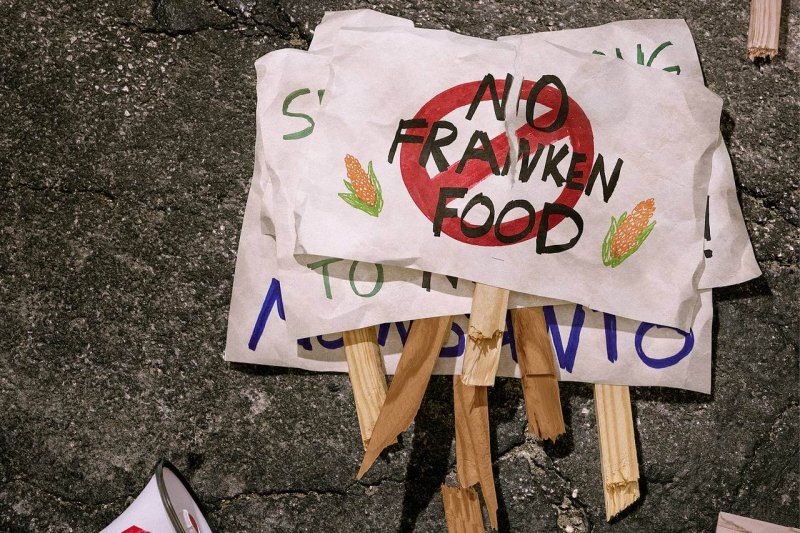
Is organic farming better than non-organic farming? Should farmers feed antibiotics and steroids to their animals? Such debates about food and agriculture can result in false information being spread as people try to convince others of the ‘right’ point of view.
What is misinformation?
“Misinformation is fake or misleading information which is shared without the intention to cause harm,” explains Dr Ataharul Chowdhury, an agricultural scientist at the University of Guelph. “In contrast, disinformation is false information that is designed to harm people.” In today’s interconnected digital world, it is easier than ever for mis- and disinformation to spread. False claims shared on social media can rapidly become viral, especially if they trigger negative emotions such as fear or anger.
While misinformation is not intentionally harmful, it can have severe consequences. “Misinformation can create division among people,” explains Ataharul. “Polarisation on topics such as climate change and vaccines has damaged public trust in science, which makes it harder for scientists to serve society.”
What are the consequences of agri-food misinformation?
“Agri-food misinformation creates anxiety, uncertainty and confusion among farmers and consumers,” explains Ataharul. It reduces their ability to make science-based decisions on issues such as the effects of agriculture on the environment and the effects of food on health, which can lead to economic and health losses. Controversial topics such as genetically modified crops, organic farming and animal welfare are commonly surrounded by misinformation. While there are legitimate scientific debates on these topics, both sides use information that they believe to be true to promote their own personal, financial or political interests. However, this information may be false. Misinformation can affect everyone, from farmers who are sold poor quality seeds and fertilisers, to consumers who are led to buy unhealthy or unsustainable foods.
Examples of agri-food misinformation
In 1928, Soviet agronomist Trofim Lysenko claimed that crop yields could be increased by applying his theory of Lysenkoism, which rejected biological ideas of genetics and evolution. He believed that plants could be ‘educated’ to adapt to their environment. For example, simply exposing a plant to cold conditions would increase its resistance to the cold. The Soviet Union forcibly promoted Lysenkoism as it aligned with the country’s political ideology, but it had devastating consequences for agriculture. By forcing farmers to plant crops in unsuitable conditions, crop yields dramatically decreased, leading to a famine that cost millions of lives.
In 1958, Chinese farmers were ordered to kill sparrows in the belief that they were eating grain. However, with the sparrow population decimated, insects had far fewer predators and swarms of locusts devastated the fields, leading to one of the largest famines in human history.
Agri-food misinformation goes far beyond poor agricultural policies. Social media is awash with unfounded claims about the health benefits and drawbacks of different products, with some articles proclaiming that “soybean is the next superfood” while others warn that “soybean causes cancer”. In 2021, a food blogger claimed that Canadian butter had become harder to spread. She suggested this was because dairy farmers were adding palm oil supplements to their cow feed and this idea took off on social media. Thanks to the ‘buttergate’ scandal, sales of Canadian butter decreased, highlighting how easily misinformation can spread in the modern world, and how a seemingly small statement can have a national economic impact.

How is Ataharul combating agri-food misinformation?
“Our first priority is to raise awareness of the issue among the scientific community, policymakers, advisory professionals, farmers and the public,” Ataharul explains. His Misinformation Research team is investigating cases of agri-food misinformation around the world and has created online resources to debunk common food and agriculture myths. The team is also developing training resources to educate agri-food professionals about the dangers of misinformation and to teach them how to recognise it.
How can you recognise mis- and disinformation?
With so much information available online, how can you separate fact from fiction? “The most important thing is to develop a critical mind when consuming information online,” advises Ataharul. “In today’s digital world, having critical media literacy skills is essential.” He suggests the following techniques for evaluating the credibility of online information:
- Who wrote the information? Research the author. Note that anonymous articles may be untrustworthy.
- Why did they write it? Think about author’s motives for sharing the information.
- How does it make you feel? If you read something that makes you angry, dig deeper. Disinformation often deliberately generates strong emotions and divisive opinions, so look for more information before believing an anger-inducing story.
- Who is sharing the information? Genuine stories should be reported by multiple sources. Research the website where you found the information. Note that blog articles on mainstream news sites are less likely to be fact-checked. Beware of websites with odd domain names, such as ending in ‘.com.co’ or ‘lo’, which may be fake versions of legitimate websites.
- What are the other perspectives? Read multiple sources to get different points of view on the topic. Do not just read articles that agree with your opinion.
If you suspect that something you read may be mis- or disinformation, do not engage with it online. If you do, you are only contributing to spreading fake news.
Misinformation is a relatively new topic of study in the field of agricultural science. Thanks to Ataharul’s research, we are starting to appreciate the scale of misinformation in the agri-food industry and to develop new ways of tackling it, so that our decisions around food and agriculture can continue to be guided by scientific evidence.
A version of this article was originally posted at Futurum and is reposted here with permission. Any reposting should credit both the GLP and original article. Find Futurum on X @FuturumCareers