
Donald Trump and Robert F. Kennedy Jr. keep pointing to what they call an explosion of severe autism cases as proof that vaccines are poisoning American children, but the epidemiology doesn’t support the claim, as epidemiologist Geoffrey C. Kabat argues in Quillette. Trump has claimed that “large amounts of vaccine, large amounts of like vats of vaccine are currently pumped into your child’s body,” insisting rates were far lower when children received fewer shots. Kabat’s rebuttal: what has actually ballooned is the diagnosis, not the disorder.
A ballooning diagnosis, not a ballooning disorder
A 2026 study of more than three million people in Sweden, published in Psychiatry Research, found autism diagnoses rose roughly eightfold between 2001 and 2020, but almost entirely among people without intellectual disability. The share of autistic people who also had an intellectual disability fell from 55.8 percent to just 6.7 percent over that span — the study’s authors attribute the shift to broader diagnostic criteria rather than a true rise in prevalence.
Kabat lays out three forces behind the trend: expanded diagnostic criteria and greater clinical awareness, “diagnostic substitution” as children once labeled with other conditions are now coded as autistic, and a conceptual shift away from viewing autism as a rare, severe disorder toward a heterogeneous spectrum condition. He also revisits the discredited, now-retracted 1998 Andrew Wakefield study that ignited the original vaccine-autism scare, and a large Danish study that found no such link.




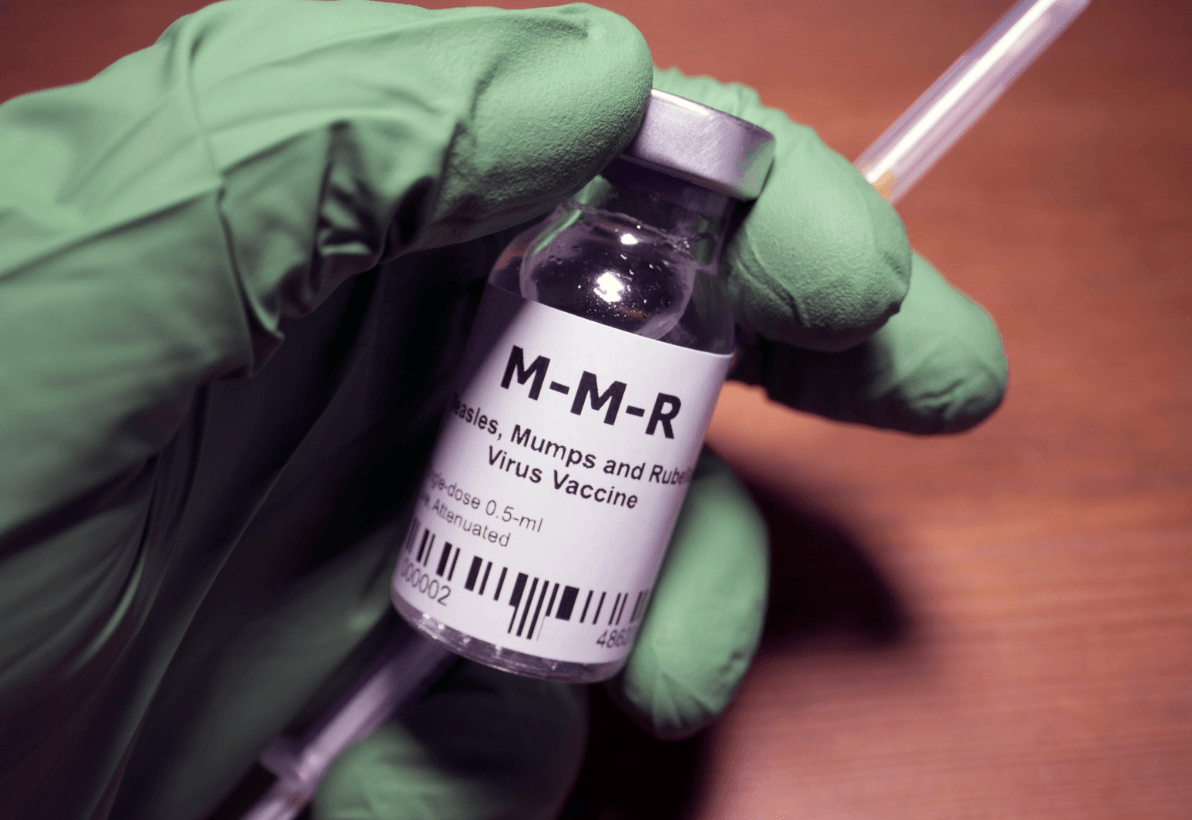
The stakes go beyond semantics: Kabat warns that rhetoric like RFK Jr.’s, now amplified from the White House, is already fueling vaccine hesitancy and the return of measles outbreaks the MMR vaccine had all but eliminated.
|
Related on the SLP
Viewpoint: CDC website is wrong. Yet another study shows MMR vaccines do not cause autism
|