Parkinson’s stem cell treatment shows promise in monkeys–human trials next

parkinsons

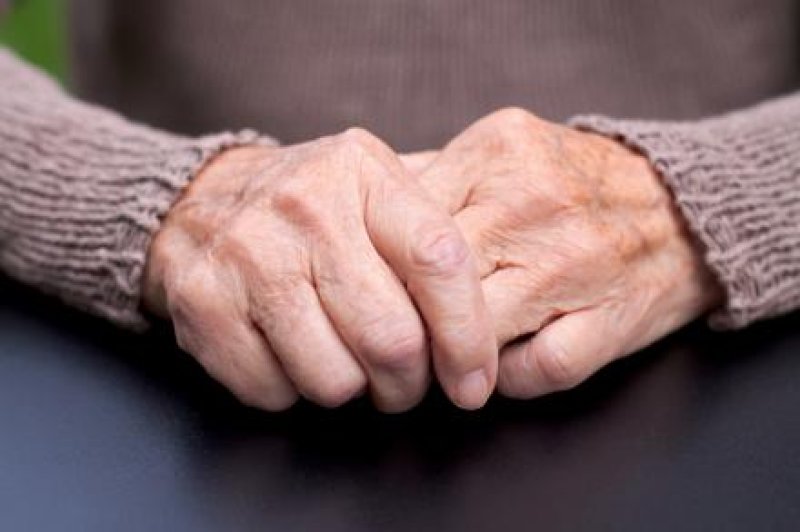
Japanese researchers report promising results from an experimental therapy for Parkinson’s disease that involves implanting neurons made from ‘reprogrammed’ stem cells into the brain. A trial conducted in monkeys with a version of the disease showed that the treatment improved their symptoms and seemed to be safe, according to a report published on 30 August in Nature.

The study’s key finding — that the implanted cells survived in the brain for at least two years without causing any dangerous effects in the body — provides a major boost to researchers’ hopes of testing stem-cell treatments for Parkinson’s in humans, say scientists.

Jun Takahashi, a stem-cell scientist at Kyoto University in Japan who led the study, says that his team plans to begin transplanting neurons made from induced pluripotent stem (iPS) cells into people with Parkinson’s in clinical trials soon.

…

Parkinson’s is a neurodegenerative condition caused by the death of cells called dopaminergic neurons, which make a neurotransmitter called dopamine in certain areas of the brain.
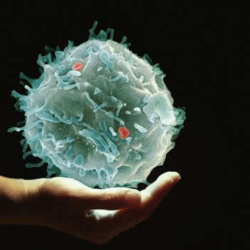
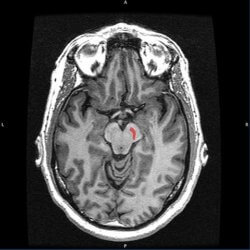
…

Takahashi’s team found no sign that the transplanted cells had developed into tumours — a key concern with treatments that involve pluripotent cells — or that they evoked an immune response that couldn’t be controlled with immune-suppressing drugs.

The GLP aggregated and excerpted this blog/article to reflect the diversity of news, opinion, and analysis. Read full, original post: Reprogrammed cells relieve Parkinson’s symptoms in trials

Related Articles

Infographic: Global regulatory and health research agencies on whether glyphosate causes cancer

Infographic: Global regulatory and health research agencies on whether glyphosate causes cancer

Does glyphosate—the world's most heavily-used herbicide—pose serious harm to humans? Is it carcinogenic? Those issues are of both legal and ...

Most Popular

ChatGPT-Image-Mar-10-2026-01_39_01-PM
Viewpoint—“Miracle molecule” debunked: Why acemannan supplements don’t work
Screenshot-2026-09-17-at-1.07.08-PM
'We are dangerously addicted to antidepressants': Should we heed RFK Jr.’s sobering warning?
Screenshot-2026-09-03-at-10.51.20-AM
Viewpoint: Why do online health lies outlive the evidence that debunks them? Read "Everyone Else Is Lying to You"
ChatGPT-Image-Sep-23-2026-01_52_03-PM
Viewpoint: 4 very real AI doomsday scenarios
ChatGPT-Image-Sep-2-2026-02_03_32-PM
How much of a problem is AI’s water use?
Screenshot-2026-09-22-at-11.40.28-AM
After Idaho criminalized abortion providers in 2022, one-third of obstetricians fled. Health care advocates are making rural health the case for repealing the ban
Screenshot-2026-09-23-at-3.15.09-PM
Anti-GMO activists in Pakistan rev up their campaign of dire warnings
ChatGPT-Image-Aug-26-2026-12_46_16-PM
Viewpoint: The fake controversy over whether combining childhood vaccines is dangerous— a debate science resolved 25 years ago
ChatGPT-Image-Sep-22-2026-10_32_46-AM
There has been a slew of recent reports of food recalls and foodborne outbreaks. Do we face an escalating problem?
Screenshot-2026-09-23-at-11.55.01-AM
How can we know if social media bans actually help teens?
Screenshot-2026-09-10-at-12.20.19-PM
'Jet fuel didn't melt the steel': 9/11 conspiracy theories debunked
Screenshot-2026-09-17-at-12.00.30-PM
Investigative group ProPublica finds links between ectopic pregnancy deaths and abortion bans
glp menu logo outlined

Get news on human & agricultural genetics and biotechnology delivered to your inbox.