
[Editor’s note: Sara Linker and Tracy Bedrosian are postdoctoral research fellows in the Laboratory of Genetics at the Salk Institute for Biological Studies, where Fred Gage is a professor.]
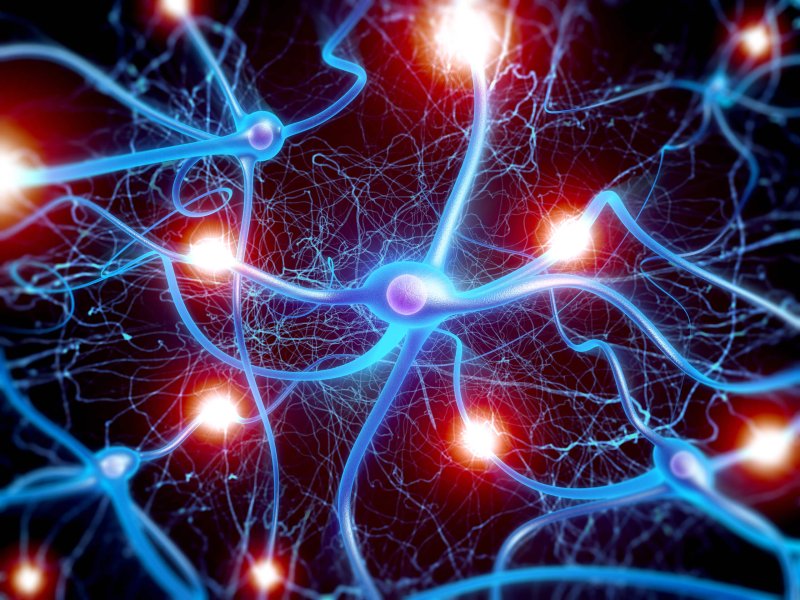
For years, neurons in the brain were assumed to all carry the same genome, with differences in cell type stemming from epigenetic, transcriptional, and posttranscriptional differences in how that genome was expressed. But in the past decade, researchers have recognized an incredible amount of genomic diversity, in addition to other types of cellular variation that can affect function. Indeed, the human brain contains approximately 100 billion neurons, and we now know that there may be almost as many unique cell types.
…
This genetic, molecular, and morphological diversity of the brain leads to functional variation that is likely necessary for the higher-order cognitive processes that are unique to humans. Such mosaicism may have a dark side, however. Although neuronal diversification is normal, it is possible that there is an optimal extent of diversity for brain function and that anything outside those bounds—too low or too high—may be pathological.




…
If neurons diversify and become too specialized to a given role, they may lose the plasticity required to change and function normally within a larger circuit. As researchers continue to probe the enormous complexity of the brain at the single-cell level, they will likely begin to uncover the answers to these questions—as well as those we haven’t even thought to ask yet.
The GLP aggregated and excerpted this blog/article to reflect the diversity of news, opinion, and analysis. Read full, original post: Advancing Techniques Reveal the Brain’s Impressive Diversity