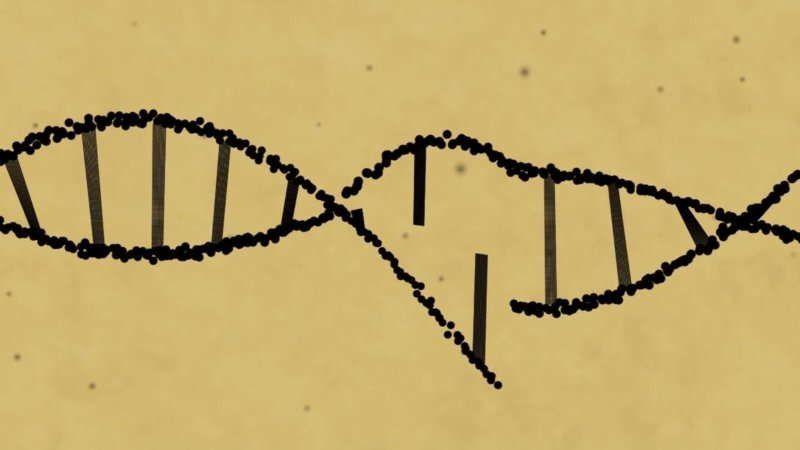

Gene therapy has shown promise in treating inherited genetic diseases, but a major issue that has frustrated scientists remains: Replacing a “bad” gene with a healthy one often is a short-lived fix. Typically, the healthy replacement gene works for just a few weeks. Now, scientists at Washington University School of Medicine in St. Louis have combined the gene-editing tool CRISPR with a deactivated virus.
…
The researchers ended the experiment at the six-month mark to study the mice, but said the length of sustained gene expression was equivalent to a fix that would last the lifespan of the mice.
…
[H]emophilia patients lack a gene that orchestrates blood clotting, leaving them at high risk of dangerous bleeding. A recent study of 10 patients showed that a virus (without CRISPR) was successful in delivering the missing gene and helping mitigate the patients’ symptoms.…



Scientists have no control over where the virus inserts the gene into the cell’s DNA code, raising the risk of undesirable mutations. But the advent of CRISPR gene-editing technology has changed that. While not perfect, CRISPR is a precise method to edit the genome and is user-friendly compared with other precision gene-editing techniques.
…
[Researcher David] Curiel and his team are further investigating the safety and efficacy of the combined adenovirus and CRISPR techniques, first in improving gene therapy for hemophilia.Editor’s note: Read the full study
Read full, original post: CRISPR enhances gene therapy to fight inherited diseases