
Agricultural innovation raises thorny ethical questions about overconsumption in the western world

feedworld
Image Credit: Science Matters

Scientists at the Department of Agrobiotechnology research facility in the Vienna University of Natural Resources and Life Sciences in Tulln, Austria, are tracking about 80 varieties of grains in outdoor plots and greenhouses, in some cases right down to the molecular DNA.

The work matters because about a billion people are malnourished …. ensuring there is enough food for the rapidly growing global population …. is a big challenge, says plant ecologist Hermann Bürstmayr ….

The latest advances in genetic technology have revived fundamental ethical debates about human manipulation of genetic material in plants and animals ….

When you view the question of secure food supplies at the global level over time, a clear picture emerges from the observed patterns, says Karlheinz Erb, a social ecologist at the University of Vienna
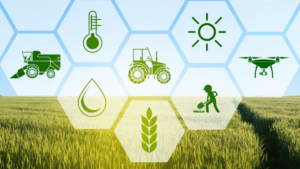

“When food production becomes more efficient, the increasing efficiency is over-compensated by increasing consumption.”

Erb believes addressing issues around global food solely by steering the production side is a false approach. “We have to look at the consumption side. We can’t combat malnutrition by forever producing more.”

Simply put, the Global North has an overconsumption and waste problem, which is leading to heart disease, obesity and diabetes — also a form of malnutrition. Eliminating global hunger requires a recognition of that imbalance ….

Read full, original article: Do we really need next-gen genetically modified foods to feed the world?

{{ reviewsTotal }}{{ options.labels.singularReviewCountLabel }}
{{ reviewsTotal }}{{ options.labels.pluralReviewCountLabel }}
{{ options.labels.newReviewButton }}
{{ userData.canReview.message }}

Related Articles

Infographic: Global regulatory and health research agencies on whether glyphosate causes cancer

Infographic: Global regulatory and health research agencies on whether glyphosate causes cancer

Does glyphosate—the world's most heavily-used herbicide—pose serious harm to humans? Is it carcinogenic? Those issues are of both legal and ...

Most Popular

ChatGPT-Image-May-28-2026-12_56_54-PM
Viewpoint: Vaccines' non-specific effects? The ‘shoddy’ Danish couple whose 'research’ inspires RFK, Jr.’s health delusion
Credit: ACSH
Viewpoint: Who and what’s to blame for the surge in vaccine-preventable diseases?
Organic-Produce
Viewpoint: Why you should ignore organic food advocates’ advice to avoid ‘pesticide soaked’ conventional fruits and vegetables
ChatGPT Image Jun 3, 2026, 03_14_43 PM
Viewpoint: How Earthjustice became the poster child for the abuse of special interest activist funding
Screenshot-2026-06-08-at-10.19.30-AM
‘Natural’ wellness supplements linked to liver injury
Screenshot-2026-06-08-at-11.05.51-AM
Can vaping lead to cancer? New ‘association study’ raises questions of “links"
Screenshot-2026-06-05-at-2.12.30-PM
Some plants can poison you. So how did humans figure out what is safe to eat?
Screenshot-2026-06-05-at-3.30.20-PM
Republican lawmakers spread misinformation claiming solar farms permanently destroy potato farms
Screenshot 2025-07-30 at 10.48
Can gene editing eliminate Down syndrome? Scientists have done it in lab-grown cells
edb7f6d7-2370-418f-9578-74e29678e35c
Facts & Fallacies Podcast: Nicotine vaping—public health miracle, or risk to children? Professor Cliff Douglas
ChatGPT-Image-Jun-5-2026-02_48_23-PM
Viewpoint: How Dr.TikTok (falsely) convinced me that cortisol was running my health
glp menu logo outlined

Get news on human & agricultural genetics and biotechnology delivered to your inbox.