CRISPR-edited crops with better ‘ventilation systems’ could withstand climate change

global warming climate change tree big stock x

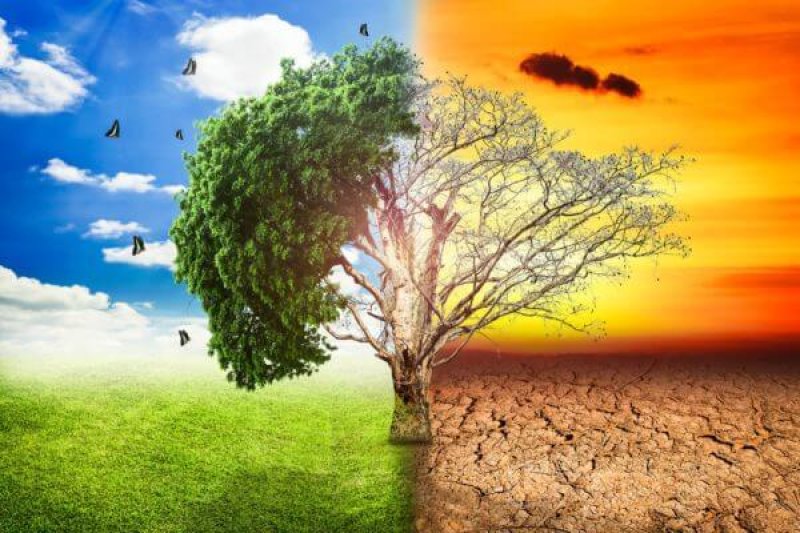
As the world heats up, plants face a dilemma — the same tiny holes they have to open to exchange gases also let out water. They can close the holes, called stomata, to stay hydrated in hotter, drier conditions but, in doing so, may miss out on critical carbon dioxide.

The question for …. Stanford University [researchers] is how this dilemma will play out as increasing portions of the world’s plants experience consistently warmer, drier environments …. The answer …. suggests opportunities for engineering plants to withstand climate change ….

In a paper published Sept. 6 in Developmental Cell, the researchers worked out which hormone in the plant Arabidopsis thaliana coordinates the number of stomata the plant produces. What’s more, they tweaked the levels of that hormone in the plant — using CRISPR/Cas9 gene editing technology — to get an idea of the extent to which this hormone can increase or decrease the presence of stomata.

The researchers used CRISPR/Cas9 gene editing technology to precisely alter single genes in their plants to increase and decrease the cytokinin levels. This technology is very promising to be able to make directed small changes to improve plants’ ability to withstand climate change, said the researchers.

Read full, original article: How a hormone helps plants build leaves’ ventilation system

{{ reviewsTotal }}{{ options.labels.singularReviewCountLabel }}
{{ reviewsTotal }}{{ options.labels.pluralReviewCountLabel }}
{{ options.labels.noReviewsLabel }}
{{ options.labels.newReviewButton }}
{{ userData.canReview.message }}

Related Articles

Infographic: Global regulatory and health research agencies on whether glyphosate causes cancer

Infographic: Global regulatory and health research agencies on whether glyphosate causes cancer

Does glyphosate—the world's most heavily-used herbicide—pose serious harm to humans? Is it carcinogenic? Those issues are of both legal and ...

Most Popular

organic scaled
Facts & Fallacies podcast: Organic food cuts pesticide exposure? A response to Dr. Rhonda Patrick
ChatGPT-Image-Mar-10-2026-01_39_01-PM
Viewpoint—“Miracle molecule” debunked: Why acemannan supplements don’t work
Screenshot 2026-07-22 at 10.25
Science brain drain escalates as Trump purge extends to USDA
kratom
Viewpoint: Kratom ‘supplement’ crisis: DEA sits on its hands while patient addictions to this ineffective drug  rise
using genetics to reverse aging
Is the longevity obsession a new form of ageism?
close up arabica coffee farmer s hands picking beans plant his farm colombia
Viewpoint: Why do so many ‘mainstream’ and ‘respected’ media outlets exaggerate climate change threats?
Screenshot-2026-07-01-at-2.49.48-PM
Dr. TikTok and male fertility: Viral claims tout GLP-1 drugs as fertility boosters. What does the science say?
How to Include More Strawberries in Your Diet
Strawberries are berries—and 35 other surprising food and drink myths
ChatGPT-Image-Jul-22-2026-09_13_07-AM
Viewpoint—The Strategic Litigation boom: Understanding the tightening coalition among NGOs, foundations, journalists, and tort lawyers
ChatGPT-Image-May-22-2026-10_26_09-AM
Trump-RFK, Jr. National Science Board firings: Accountability vs. partisan meddling
Screenshot-2026-07-07-at-12.55.44-PM
Viewpoint: Yes, we can adapt to a changing climate without devastating the environment and the economy
Blood blockage
High cholesterol? FDA approves effective oral medication
ChatGPT-Image-Jun-25-2026-02_53_56-PM
Embryo gene editing is on the horizon, stirring mixed emotions
glp menu logo outlined

Get news on human & agricultural genetics and biotechnology delivered to your inbox.