How one plant scientist challenges the ‘natural is better’ myth

Screen Shot at PM

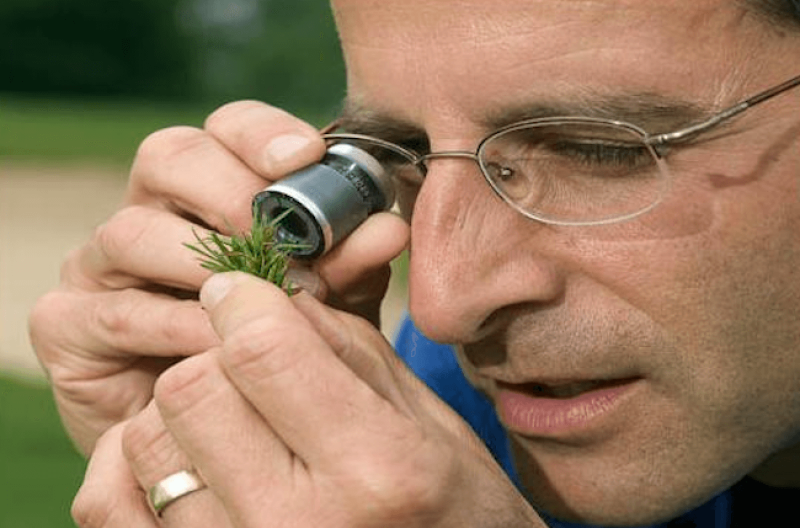
Paul Vincelli spends a good deal of his time talking to the public about genetic engineering so it’s not surprising that he’s developed a few tricks for explaining complicated science to the layperson.

Vincelli, an extension professor at the University of Kentucky, describes himself as “a science communicator” and says he’s happy to discuss genetic engineering with anyone ….

Through his interactions with the public, Vincelli has found that a fair amount of the resistance to genetic engineering stems from a distrust of large agricultural corporations.

“What I think is important is for people to understand that genetic technologies like CRISPR gene editing, these are technologies that belong to the world. Even if they’re patented technologies, they belong to the world because those patents eventually expire.”

Another source of the public’s resistance to genetic engineering is the sense that it is “unnatural”, but Vincelli said that consumers are perfectly happy to accept other so-called “unnatural” technologies.

“This is my cell phone,” he said as he dug his smartphone out of his pocket and held it aloft. “This is an absolutely unnatural way to communicate. I can communicate with people all over the world instantly. That is totally unnatural, and yet I know that it’s useful. So ‘unnatural’ has come to mean ‘bad,’ but I don’t think of it that way,” he said.

Read full, original article: Meet the guitar-playing plant scientist who describes genetic engineering with playing cards and cookbooks


{{ reviewsTotal }}{{ options.labels.singularReviewCountLabel }}
{{ reviewsTotal }}{{ options.labels.pluralReviewCountLabel }}
{{ options.labels.newReviewButton }}
{{ userData.canReview.message }}

Related Articles

Infographic: Global regulatory and health research agencies on whether glyphosate causes cancer

Infographic: Global regulatory and health research agencies on whether glyphosate causes cancer

Does glyphosate—the world's most heavily-used herbicide—pose serious harm to humans? Is it carcinogenic? Those issues are of both legal and ...

Most Popular

ChatGPT-Image-Mar-10-2026-01_39_01-PM
Viewpoint—“Miracle molecule” debunked: Why acemannan supplements don’t work
ChatGPT-Image-Jul-7-2026-01_57_55-PM
Viewpoint: Europe’s rejection of air conditioning is the poster child for misunderstanding how to mitigate the impact of climate change
ChatGPT-Image-Jul-1-2026-12_37_08-PM
Viewpoint: Trump poised to politicize all U.S.-supported science research
ChatGPT-Image-Jun-25-2026-12_23_17-PM
No, Bill Gates did not secretly engineer ticks to promote veganism
ChatGPT-Image-Jun-30-2026-10_27_31-AM
Viewpoint: Europe clears the way for gene-edited crops — but fear-driven restrictions still slow their full potential
ChatGPT-Image-Jul-1-2026-03_33_49-PM
‘Alternative’ cancer treatments that could kill you
ChatGPT-Image-Jul-7-2026-03_07_17-PM
Kennedy blocks preventive health care panel that reviews treatments for HIV, diabetes, and cancer from meeting — for fourth time
DtAieAIkCZy-uchn-oqg
Viewpoint: In the science misinformed grifter game plan, the organic-food-is-healthier myth might be the worst.
Screenshot-2026-07-08-at-11.25.14-AM
AI being mobilized to target misinformation about vaccines–on AI
ChatGPT-Image-Jul-8-2026-12_32_48-PM
Viewpoint: SCOTUS strikes a blow against junk science in Bayer glyphosate case. Will it deter mass tort litigators?
d a ca e c c beb x
Facts & Fallacies podcast: The 'woke' crusade against anthropology? Dr. Elizabeth Weiss
glp menu logo outlined

Get news on human & agricultural genetics and biotechnology delivered to your inbox.