Land use for meat production slashed by 140 million hectares since 2000. Intensive agriculture could keep the decline going

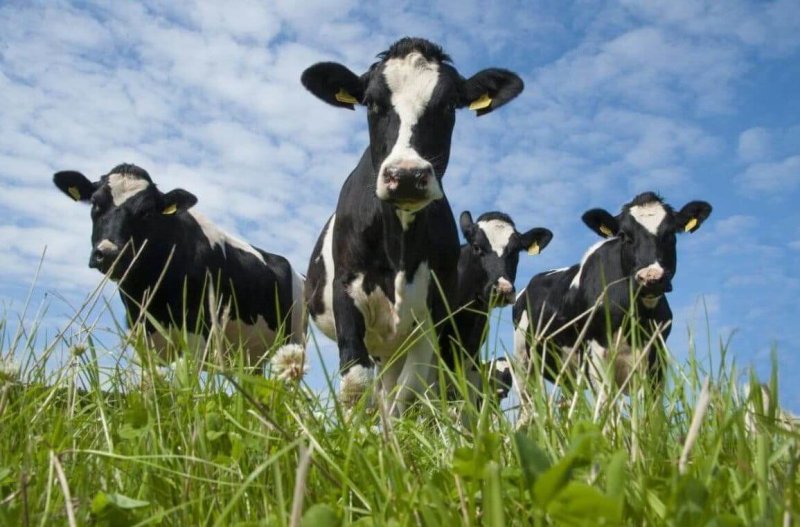
cows in pasture xlarge trans NvBQzQNjv BqyKbbTIvVbvqvypOgwykjr ErJ ZKVUu qh K BqSLks e

Pastureland is by far the single largest human land use on the planet. Globally, we use twice as much land for producing meat and milk from cattle and other ruminants as we do for growing crops.

For centuries, global pasture area expanded, with severe environmental consequences. Since the 1700s, an area nearly the size of North America has been converted to pasture …. threatening biodiversity and worsening climate change.

In the past 20 years, however, something remarkable has occurred, something that few predicted: global pasture has begun to decline. According to data from the Food and Agriculture Organization of the United Nations, there are 140 million fewer hectares of pasture today than there were in 2000, an area roughly the size of Peru.

Rapid population and economic growth in parts of the developing world …. could herald a major expansion of pasture. …. The good news is that productivity could be improved substantially โ€” enough to offset increases in demand. Many developing regions today operate well below their technical potential …. There are three primary levers for raising productivity: better feed, optimized breeds, and improved animal health.

[Editor’s note: These data come from a new report published by the Breakthrough Institute, a global research center that identifies and promotes technological solutions to environmental and human development challenges.]

Read full, original article: Achieving Peak Pasture: Shrinking Pasture’s Footprint by Spreading the Livestock Revolution


{{ reviewsTotal }}{{ options.labels.singularReviewCountLabel }}
{{ reviewsTotal }}{{ options.labels.pluralReviewCountLabel }}
{{ options.labels.newReviewButton }}
{{ userData.canReview.message }}

Related Articles

Infographic: Global regulatory and health research agencies on whether glyphosate causes cancer

Infographic: Global regulatory and health research agencies on whether glyphosate causes cancer

Does glyphosateโ€”the world's most heavily-used herbicideโ€”pose serious harm to humans? Is it carcinogenic? Those issues are of both legal and ...

Most Popular

ChatGPT Image May 26, 2026, 08_42_17 AM (1)
Viewpoint: Greenpeace and poison: How environmental advocacy groups rely on compliant (and often ignorant) journalists to spread disinformation and spark litigation

Screenshot 2025-07-30 at 10.48
Can gene editing eliminate Down syndrome? Scientists have done it in lab-grown cells
Screenshot-2026-05-28-at-1.36.28-PM
Viewpoint: Can mRNA research survive the Trump administration?
Screenshot-2026-06-02-at-11.59.11-AM
Magnifica Humanitas: Popeโ€™s encyclical broadside against AI naivete and overreach
Screenshot 2025-11-18 at 3.45
Viewpointโ€”GMOs and sustainability: Why buying organic foods is the least environmentally-sensitive food choiceโ€”without offering any health benefits
ChatGPT-Image-May-26-2026-07_51_21-AM-2
Viewpoint: There are more than 1,000 chemicals in a cup of coffeeโ€”including many substances that can cause cancer. Why isnโ€™t it banned?
ChatGPT-Image-Jun-2-2026-11_39_58-AM
Viewpoint: Who is RFK, Jr.โ€™s newly-appointed CDC senior counselor, Sara Brenner โ€” Vaccine skeptic and self-proclaimed โ€œMAHA momโ€
Picture1
Sounds we canโ€™t hear โ€” the hidden planetary signals behind science, fear, and misinformation
ChatGPT Image May 28, 2026, 08_16_38 PM
Viewpoint: Why the EPA mismeasures cancer risk of chemicals and what should be done to fix it
Screenshot-2026-06-01-at-1.35.32-PM
Viewpoint: Swine farmers are under attack for allegedly mistreating their animals. Here are the facts.
Screenshot-2026-05-27-at-10.51.25-AM
Viewpoint: โ€˜Monsantoโ€™ bluesโ€”Planned Netflix movie promises yet another round of anti-glyphosate disinformation
glp menu logo outlined

Get news on human & agricultural genetics and biotechnology delivered to your inbox.