Engineered molecule could protect key food crops from intensifying droughts as climate changes

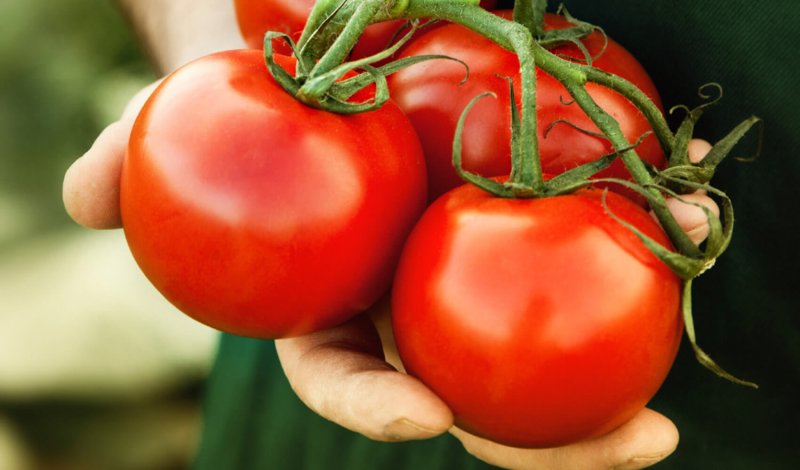
tomatoes

An engineered small molecule called opabactin that targets the receptor for the hormone abscisic acid (ABA), which plants release in stressful conditions, limited water loss in Arabidopsis, tomato, and wheat, and improved wheat’s tolerance of drought-like conditions in the lab, according to a study published today (October 24) in Science. It could be a novel strategy for helping crops cope with the increased numbers of droughts that researchers predict as the climate changes, the authors say, but must be evaluated for toxicity and environmental impact before use in field tests.

…

About 10 years ago, a team led by Sean Cutler, a plant biologist at University of California, Riverside, along with another independent group, discovered a family of receptors that ABA binds to help plants cope with stresses such as cold or lack of water. In 2013, Cutler and colleagues described a small molecule, quinabactin, that targeted those receptors and promoted drought tolerance in Arabidopsis and soybeans.

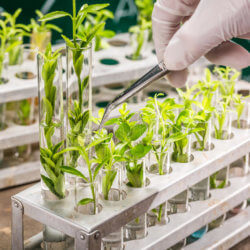
…. “We characterized [quinabactin] and saw that it was good in some crops but not so good in others,” Cutler tells The Scientist. In the current study, his group set out to find an alternative that would be successful in tomato and wheat.

Read full, original article: Drug Helps Plants Resist Drought: Study

Related Articles

Infographic: Global regulatory and health research agencies on whether glyphosate causes cancer

Infographic: Global regulatory and health research agencies on whether glyphosate causes cancer

Does glyphosate—the world's most heavily-used herbicide—pose serious harm to humans? Is it carcinogenic? Those issues are of both legal and ...

Most Popular

Screenshot-2026-10-01-at-10.52.08-AM
Non-browning CRISPR gene-edited bananas move one step closer to British markets
AI-Force-Leadership-Portrait
Jay Clayton controversy: The divisive history of Trump’s newly-appointed AI czar
Screenshot-2026-09-22-at-10.54.12-AM
‘They misunderstand science’: Research attempting to tie autism to changes in the gut microbiome comes under fire
ChatGPT-Image-Mar-10-2026-01_39_01-PM
Viewpoint—“Miracle molecule” debunked: Why acemannan supplements don’t work
Elderly-Speaker-at-MAHA-Institute
At anti-vaccine MAHA conference, RFK Jr. pledges to unify federal health information and combat vaccine safety ‘misinformation’
ChatGPT-Image-Sep-21-2026-11_21_39-AM
Viewpoint: Food cults: Online ‘nutrition communities’ can pose unique dangers
Screenshot 2026-10-01 at 12.30
Combating ‘narrative distortion’: Will pharma companies step up to challenge health misinformation?
ChatGPT-Image-Sep-10-2026-10_36_07-AM
Viewpoint: Even lousy scientific articles can shield authors when they hype dubious health claims and products
ChatGPT-Image-Sep-21-2026-03_15_09-PM
Viewpoint: Chipotle-inspired lesson: 10,000 sick customers suggest that processed foods can be safer than fresh ones
glp menu logo outlined

Get news on human & agricultural genetics and biotechnology delivered to your inbox.