Gilead’s remdesivir offers little benefit for coronavirus patients in early trial

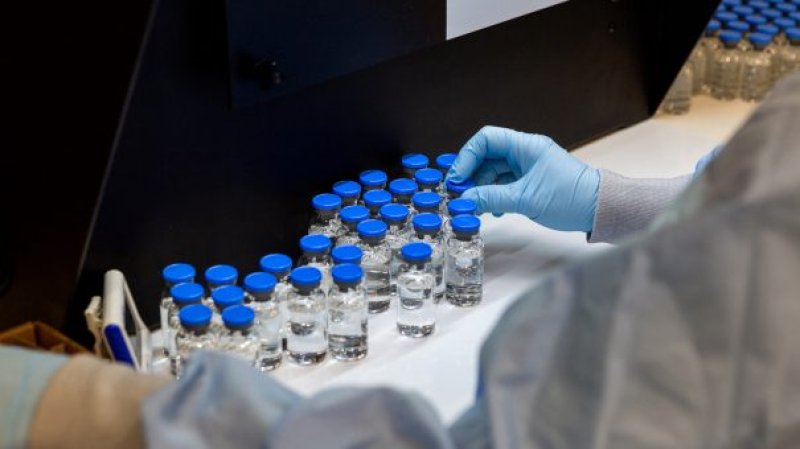
remdesivir image x

The antiviral medicine remdesivir from Gilead Sciences failed to speed the improvement of patients with Covid-19 or prevent them from dying, according to results from a long-awaited clinical trial conducted in China. Gilead, however, said the data suggest a “potential benefit.”

A summary of the study results was inadvertently posted to the website of the World Health Organization … but then removed.

“A draft document was provided by the authors to WHO and inadvertently posted on the website and taken down as soon as the mistake was noticed. The manuscript is undergoing peer review and we are waiting for a final version before WHO comments,” said WHO spokesperson Tarik Jasarevic.

Gilead spokesperson Amy Flood said the company believes “the post included inappropriate characterization of the study.” Because the study was stopped early because it had too few patients, she said, it cannot “enable statistically meaningful conclusions.” However, she said, “trends in the data suggest a potential benefit for remdesivir, particularly among patients treated early in disease.”

According to the summary of the China study, remdesivir was “not associated with a difference in time to clinical improvement” compared to a standard of care control. After one month, it appeared 13.9% of the remdesivir patients had died compared to 12.8% of patients in the control arm.


Read the original post

{{ reviewsTotal }}{{ options.labels.singularReviewCountLabel }}
{{ reviewsTotal }}{{ options.labels.pluralReviewCountLabel }}
{{ options.labels.newReviewButton }}
{{ userData.canReview.message }}

Related Articles

Infographic: Global regulatory and health research agencies on whether glyphosate causes cancer

Infographic: Global regulatory and health research agencies on whether glyphosate causes cancer

Does glyphosate—the world's most heavily-used herbicide—pose serious harm to humans? Is it carcinogenic? Those issues are of both legal and ...

Most Popular

ChatGPT Image May 10, 2026, 08_16_59 PM 2
Overmedicalization? RFK Jr.’s antidepressant crackdown raises conflict questions over his fee stake in Wisner Baum, the tort firm built on suing drug makers
Picture1-5
Science Disinformation Gap: The transatlantic battle over social media and censorship
Picture1-1
Cooling the planet with balloons: Could a geoengineering gamble slow global warming?
ChatGPT-Image-Apr-13-2026-02_20_22-PM
Viewpoint: Misinformation infodemic? Why assessing evidence is so challenging 
Screenshot-2026-05-11-104424
Hantavirus outbreak research: Trump administration shut down study last year on rodent-to-human transmission
Picture1-14
When superbugs threaten vulnerable children: Can AI help solve antibiotic resistance?
Screenshot-2026-05-08-at-3.40.33-PM
Seeds of power: China turns to genetic engineering to become global superpower
S
As vaccine rejectionism spreads, measles may be taking a more dangerous turn
Screenshot-2026-05-01-at-1.29.41-PM
Viewpoint: What happens when whole grains meet modern food manufacturing? Labels don’t tell the whole story.
Screenshot 2026-05-08 at 3.01
Transforming farming and nutrition with AI and robotics? Larry Ellison’s half-billion-dollar Hawaii greenhouse dream goes bust
Screenshot-2026-04-12-135256
Bixonimania: The fake disease scam that AI swallowed whole
Screenshot-2026-04-20-at-2.26.27-PM
Viewpoint — Food-fear world: The latest activist scientists campaign: Cancer-causing additives
glp menu logo outlined

Get news on human & agricultural genetics and biotechnology delivered to your inbox.