Neophobia: The psychological barrier that inspires knee-jerk rejection of GMOs and other food technology

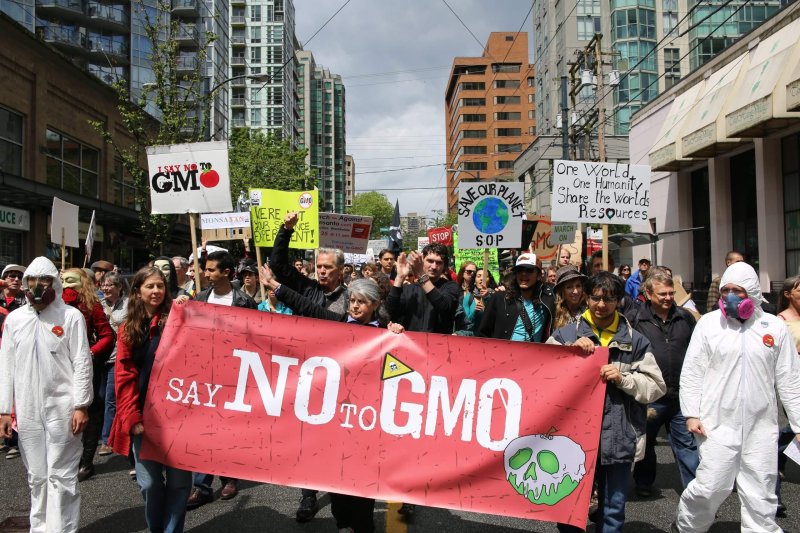
march against monsanto vancouver rosaleeyagihara
Credit: Rosalee Yagihara/Wikimedia

Psychologist Michael Siegrist and nutrition scientist Christina Hartmann have compiled research on the psychological and societal factors that influence consumer acceptance of food technologies. According to a 2015 survey of more than 30,000 consumers, the most desirable food attributes are ‘freshness’, ‘naturalness’ and ‘minimal processing’… ‘Many consumers perceive the use of food technologies as contradictory to healthy, nutritious food, which may be a challenge for the industry,’ says Siegrist.

Mis- and disinformation are distorting science and public policy. Subscribe to our Daily and Weekly Digests for incisive coverage of ‘disruptive’ innovations in AI, agricultural biotechnology, food, chemicals, nuclear energy, vaccines, and other disruptive innovations.

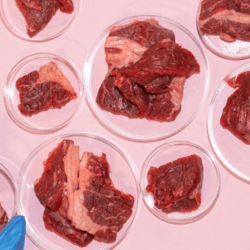
When scaled up, lab-grown meat may offer a more sustainable and animal-friendly alternative to livestock rearing. But, once again, a 2018 survey showed that the public isn’t quite ready for it. Survey respondents had a low understanding of the technology and a low level of acceptance. When the production process was explained to them, it actually reinforced the acceptance of traditionally reared meat.

‘Cultured meat evokes a “disgust” response in many people because it’s perceived as artificial,’ says Siegrist. He adds that evolutionary psychology might help to explain this. ‘Instead of relying only on our immune system to fight infections in our body, our behavioural immune system has evolved to evoke a feeling of disgust or a “neophobic response” to unknown foods that may have harmed us in the past. The very same behavioural constructs may be impacting people’s willingness to accept novel food technologies in the modern day.’
Read the original post

Related Articles

Infographic: Global regulatory and health research agencies on whether glyphosate causes cancer

Infographic: Global regulatory and health research agencies on whether glyphosate causes cancer

Does glyphosate—the world's most heavily-used herbicide—pose serious harm to humans? Is it carcinogenic? Those issues are of both legal and ...

Most Popular

Screenshot-2026-09-20-at-9.03.54-AM
From Malaysia to the world: A pioneering science communicator reimagines global science communication for a digital age
ChatGPT-Image-Mar-10-2026-01_39_01-PM
Viewpoint—“Miracle molecule” debunked: Why acemannan supplements don’t work
ChatGPT-Image-Sep-17-2026-12_28_43-PM
Vitamin D, omega-3 fish oil and glucosamine supplements could cause brain damage 
Screenshot-2026-09-16-at-2.26.42-PM
Viewpoint: How to ecologically damage America’s forests: Ban glyphosate
Screenshot-2026-09-20-at-4.31.28-PM
White House drafting executive order to control what OMB Director Vought claims are “woke” NIH science grants
ChatGPT-Image-Sep-20-2026-04_22_32-PM
What’s Trump’s ‘AI Force’? Administration rushes to announce ill-defined watchdog agency and czar amid criticism of its resistance to curb AI acceleration
Screenshot-2026-08-12-at-11.31.46-AM
AI is helping develop new vaccines
Screenshot-2026-09-14-at-4.31.14-PM
Viewpoint: What’s the likely impact when the EPA loosens rules limiting methane pollution from oil and gas wells?
Screenshot-2026-08-19-at-6.19.42-PM
Facts & Fallacies podcast: 'Regenerative farming'? RFK Jr.’s federal push romanticizes the past and risks food security
ChatGPT-Image-Aug-28-2026-03_33_46-PM
Viewpoint: Bad science—Five bogus Trump administration claims about vaccines and autism
Screenshot-2026-09-10-at-12.20.19-PM
'Jet fuel didn't melt the steel': 9/11 conspiracy theories debunked
ChatGPT-Image-Sep-9-2026-02_48_24-PM
Viewpoint: Trump-RFK Jr. report on “Gender Ideology & Left-wing Ideology’ targets LGBTQ community—and science
glp menu logo outlined

Get news on human & agricultural genetics and biotechnology delivered to your inbox.