
Viewpoint: Organic, non-GMO marketing claims drive poor people away from healthier food choices

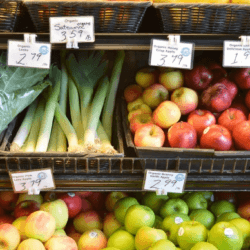
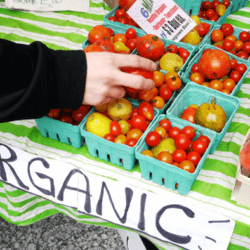
Many food organizations, celebrity chefs, food bloggers, and talk show hosts like to push the idea that eating right means eating expensive. According to these rules, shopping at posh grocery stores, with wine bars, sushi counters, and loads of expensive, organic, non-GMO, free trade, humanely caught, free-range food is the way to go if you want to be truly healthy.

Yet, this message goes beyond mere snobbery. Some even suggest consumers are doing great harm to themselves by eating less expensive, non-organic food and promote the idea that organic food is superior because it is free of pesticides (not true), that it’s healthier (not true), and that it’s better for the environment (again, not true).

This consumer guilt-tripping and total indifference to struggling families sums up the elitist food philosophy. Aspirational food shopping is as normal as aspirational shoe shopping these days, and it has taken hold among even the poorest consumers.
Mis- and disinformation are distorting science and public policy. Subscribe to our Daily and Weekly Digests for incisive coverage of ‘disruptive’ innovations in AI, agricultural biotechnology, food, chemicals, nuclear energy, vaccines, and other disruptive innovations.

This misinformation comes at a high cost — to consumer health. A study by the Illinois Institute of Technology’s Center for Nutrition Research showed fear-based food marketing (for example, telling people that canned food is bad or that they should only buy organic food and milk) is creating so much anxiety about affordable food that poor consumers are actually choosing to pass on these healthier items.


Read the original post

Related Articles

Infographic: Global regulatory and health research agencies on whether glyphosate causes cancer

Infographic: Global regulatory and health research agencies on whether glyphosate causes cancer

Does glyphosate—the world's most heavily-used herbicide—pose serious harm to humans? Is it carcinogenic? Those issues are of both legal and ...

Most Popular

ChatGPT-Image-Sep-17-2026-12_28_43-PM
Vitamin D, omega-3 fish oil and glucosamine supplements could cause brain damage 
ChatGPT-Image-Mar-10-2026-01_39_01-PM
Viewpoint—“Miracle molecule” debunked: Why acemannan supplements don’t work
ChatGPT-Image-Sep-17-2026-10_17_15-AM
Viewpoint: Why are the less intelligent more likely to be conservative—and smarter people more socially liberal?
Screenshot-2026-09-10-at-12.20.19-PM
'Jet fuel didn't melt the steel': 9/11 conspiracy theories debunked
Screenshot-2026-08-12-at-11.31.46-AM
AI is helping develop new vaccines
Screenshot-2026-09-16-at-12.07.47-PM
The heated debate over trans athletes in the WNBA
Screenshot-2026-09-17-at-10.24.54-AM
Viewpoint: Dubious environmental fears: Why the AI buildout is critical to America’s ecological future
ChatGPT-Image-Sep-9-2026-02_48_24-PM
Viewpoint: Trump-RFK Jr. report on “Gender Ideology & Left-wing Ideology’ targets LGBTQ community—and science
Screenshot 2026-09-11 at 12.39
Child-monitoring apps: When the cure is worse than the harm—and how the technology could be tweaked
Screenshot-2026-09-10-at-11.50.46-AM
Did COVID vaccines kill 2,500 service members? RFK Jr. hires an investigator who compares vaccine promoters to Nazi doctors
glp menu logo outlined

Get news on human & agricultural genetics and biotechnology delivered to your inbox.