How COVID steals sense of smell

Credit: Pixabay/Engin Akyurt

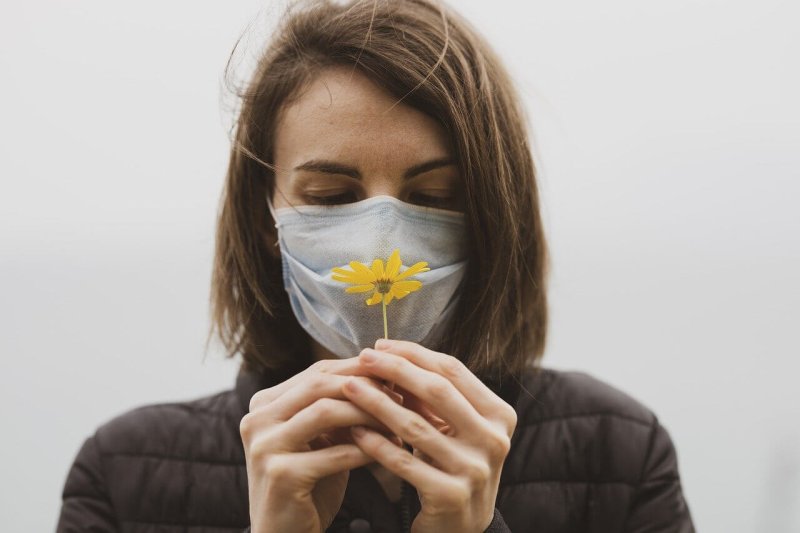
Few of Covid-19’s peculiarities have piqued as much interest as anosmia, the abrupt loss of smell that has become a well-known hallmark of the disease. Covid patients lose this sense even without a stuffy nose; the loss can make food taste like cardboard and coffee smell noxious, occasionally persisting after other symptoms have resolved.

Scientists are now beginning to unravel the biological mechanisms, which have been something of a mystery: The neurons that detect odors lack the receptors that the coronavirus uses to enter cells, prompting a long debate about whether they can be infected at all.

Mis- and disinformation are distorting science and public policy. Subscribe to our Daily and Weekly Digests for incisive coverage of ‘disruptive’ innovations in AI, agricultural biotechnology, food, chemicals, nuclear energy, vaccines, and other disruptive innovations.

The virus did not invade neurons, the researchers learned, only the cells that play supporting roles in the olfactory system. But that was enough to alter the function of the nearby neurons, leading to a loss of smell.

The immune response altered the architecture of genes in the neurons, disrupting production of odor receptors, said Marianna Zazhytska, a postdoctoral fellow at the Zuckerman Institute and one of the paper’s first authors, along with a graduate student, Albana Kodra.

“It is not the virus itself causing all this reorganization — it’s the systemic inflammatory response,” Dr. Zazhytska said. “The nerve cells are not hosting the virus, but they are not doing what they did before.”


This is an excerpt. Read the original post here. 

Related Articles

Infographic: Global regulatory and health research agencies on whether glyphosate causes cancer

Infographic: Global regulatory and health research agencies on whether glyphosate causes cancer

Does glyphosate—the world's most heavily-used herbicide—pose serious harm to humans? Is it carcinogenic? Those issues are of both legal and ...

Most Popular

Glossy Plastic Bag of Tokens and Labels
Viewpoint: How CNN got played by environmental activists pushing a plastics scare and litigation agenda
Screenshot-2026-10-21-at-11.30.51-AM
Viewpoint: Yes, our food system stinks, but the attack of ultra-processed foods is often misplaced
Screenshot-2026-10-30-at-11.36.40-AM
An Earth-saving benefit of global warming?: How fossil fuel-burning humans stopped the looming Ice Age
Neon Syringe Portrait with BPC-157
Viewpoint: Peptides and medical freedom: The MAHA obsession that can damage your health
ChatGPT-Image-Mar-10-2026-01_39_01-PM
Viewpoint—“Miracle molecule” debunked: Why acemannan supplements don’t work
Robots in a Futuristic Conference Meeting
Helpful until we’re helpless? Researchers warn AI is gradually eroding human control
Screenshot-2026-10-30-at-11.20.30-AM
‘Silent killer’: Hepatitis B could surge under Trump–RFK Jr. rollback of newborn vaccine recommendations
Screenshot 2026-07-29 at 10.40
The COVID vaccine turbo cancer scare is back. Science still proves it’s wrong.
Patriotic Flag in a Glass Flask
Viewpoint: America Last: From the Pentagon to universities, Trump’s corruption of science could inflict lasting, irreversible damage on U.S. research
Screenshot 2026-10-27 at 10.32
“Do your own research”: What Medicare’s annual open enrollment circus teaches us about the seductive trap of DIY health and science
glp menu logo outlined

Get news on human & agricultural genetics and biotechnology delivered to your inbox.