Debating pros and cons of gene drives to control disease-carrying insects and other pests

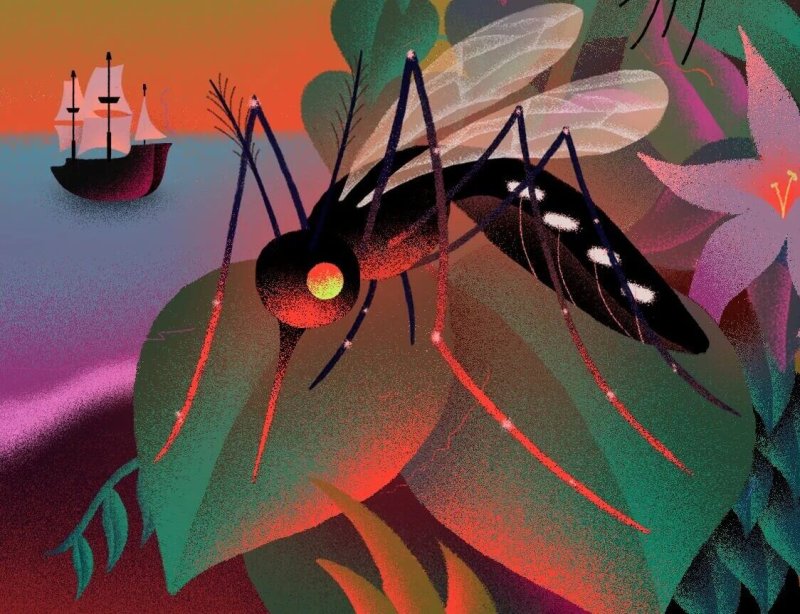
Mosquitos may have killed more people than any other single cause. Credit: Ariel Davis

British biotech company Oxitec plans to kick off a months-long experiment in which it will release billions of Aedes aegypti mosquitoes in California and Florida. But these aren’t just any mosquitoes — they’re genetically engineered so that they don’t bite, and will, if all goes according to plan, eventually reduce the population of mosquitoes in these areas.

Follow the latest news and policy debates on sustainable agriculture, biomedicine, and other ‘disruptive’ innovations. Subscribe to our newsletter.

Proponents say, at scale, such a program would result in:

  • Less mosquito-borne illness
  • Little ecological impact since mosquitoes are not a keystone species
  • Less pesticide use, currently used against mosquitoes, which means better protection of local plants and animals
  • Little or no negative impact on humans as the mosquitoes are safe, quick, and effective

Opponents say:

  • Mosquitoes may not be a keystone species, but other animals do eat them and so eliminating the insects may in fact have an ecological impact
  • There could be unintended consequences, such as a hybrid species or the creation of a new ecological niche that other animals, which carry potentially even more lethal diseases, could move into
  • It takes expensive, large-scale trials to have certainty about safety and efficacy
Follow the latest news and policy debates on sustainable agriculture, biomedicine, and other ‘disruptive’ innovations. Subscribe to our newsletter.

Others envision even more far-reaching applications, such as species conservation (by helping native species become immune to disease or even to the harsher conditions of climate change).

This is an excerpt. Read the original post here

Related Articles

Infographic: Global regulatory and health research agencies on whether glyphosate causes cancer

Infographic: Global regulatory and health research agencies on whether glyphosate causes cancer

Does glyphosate—the world's most heavily-used herbicide—pose serious harm to humans? Is it carcinogenic? Those issues are of both legal and ...

Most Popular

ChatGPT-Image-Mar-10-2026-01_39_01-PM
Viewpoint—“Miracle molecule” debunked: Why acemannan supplements don’t work
Screenshot-2026-09-16-at-12.07.47-PM
The heated debate over trans athletes in the WNBA
Screenshot-2026-09-10-at-11.50.46-AM
Did COVID vaccines kill 2,500 service members? RFK Jr. hires an investigator who compares vaccine promoters to Nazi doctors
Screenshot-2026-09-11-at-2.26.23-PM
Newly approved GMO chestnut trees planted across from the White House are stirring debate
Screenshot-2026-09-10-at-12.20.19-PM
'Jet fuel didn't melt the steel': 9/11 conspiracy theories debunked
ChatGPT-Image-Sep-9-2026-02_48_24-PM
Viewpoint: Trump-RFK Jr. report on “Gender Ideology & Left-wing Ideology’ targets LGBTQ community—and science
Screenshot-2026-09-15-at-11.04.54-AM
Viewpoint: Childhood deaths in dispute: Why the CDC vs Pennsylvania conflict over measles vaccines matters
Screenshot 2026-09-10 at 11.28
A meaty problem: How to make cell-grown protein taste like steak, chicken, and seafood
ChatGPT-Image-Sep-15-2026-11_36_23-AM
Doomsday cult? Why we should be suspicious of end-of-the-world claims
ChatGPT-Image-Sep-15-2026-12_15_00-PM
Viewpoint: Women, depression and empathy: Explaining the gender gap in views about child-murderer Lindsay Clancy
Screenshot-2026-09-14-at-4.31.14-PM
Viewpoint: What’s the likely impact when the EPA loosens rules limiting methane pollution from oil and gas wells?
ChatGPT-Image-Aug-28-2026-03_33_46-PM
Viewpoint: Bad science—Five bogus Trump administration claims about vaccines and autism
ChatGPT-Image-Sep-15-2026-05_59_18-PM
RFK Jr. spent two years distancing himself from Children’s Health Defense. Now he’s keynoting its anti-vaccine DC conference.
glp menu logo outlined

Get news on human & agricultural genetics and biotechnology delivered to your inbox.