Viewpoint: For centuries, grain yields remained stagnant — but they have tripled since 1960. We can thank biotechnology innovations

We're just at the beginning of a period of discovery with biotech, and there's no telling what that could mean for the ways we make what we need and use. Credit: Vincent Callebaut

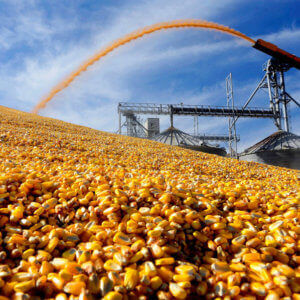
For centuries, yields for crops like corn remained relatively steady.

Everything changed in the middle of the 20th century. Advances in synthetic fertilizers and strain selection and other tools of modern agriculture kicked off an ongoing period of immense growth in the output of agriculture. ​​Worldwide gross output increased by 60 percent from 1938 to the late 1950s — since then, it has more than doubled again. Today, on average, the world produces nearly three times as much cereal grains as we could get from the same area of land in 1961. Since 1950, there has been a more than five-fold increase in overall corn yields in the United States alone.
Follow the latest news and policy debates on sustainable agriculture, biomedicine, and other ‘disruptive’ innovations. Subscribe to our newsletter.
The next development that can spur growth to meet food demands may come from a lab striving to squeeze more yield from the standbys like corn, or it may come from somewhere totally unexpected. Innovation is often what sparks the growth, along with the formation of infrastructure and supply chains to support it. New fertilizers enable commodity-scale markets for crops like corn; smaller, faster computer chips enable a nearly complete worldwide distribution of computers; a newly studied organism creates the ability to produce novel enzymes, materials or chemicals that serve mass market needs far more sustainably than the status quo.


Related Articles

Infographic: Global regulatory and health research agencies on whether glyphosate causes cancer

Infographic: Global regulatory and health research agencies on whether glyphosate causes cancer

Does glyphosate—the world's most heavily-used herbicide—pose serious harm to humans? Is it carcinogenic? Those issues are of both legal and ...

Most Popular

ChatGPT-Image-Mar-10-2026-01_39_01-PM
Viewpoint—“Miracle molecule” debunked: Why acemannan supplements don’t work
Screenshot-2026-09-10-at-11.50.46-AM
Did COVID vaccines kill 2,500 service members? RFK Jr. hires an investigator who compares vaccine promoters to Nazi doctors
Screenshot-2026-09-11-at-2.26.23-PM
Newly approved GMO chestnut trees planted across from the White House are stirring debate
ChatGPT-Image-Sep-13-2026-10_24_17-AM
Bayer urges court to approve $7.25 billion Monsanto Roundup settlement that could limit its future liabilities
Screenshot-2026-09-10-at-12.20.19-PM
'Jet fuel didn't melt the steel': 9/11 conspiracy theories debunked
ChatGPT-Image-Sep-15-2026-05_59_18-PM
RFK Jr. spent two years distancing himself from Children’s Health Defense. Now he’s keynoting its anti-vaccine DC conference.
Screenshot-2026-09-15-at-11.04.54-AM
Viewpoint: Childhood deaths in dispute: Why the CDC vs Pennsylvania conflict over measles vaccines matters
Screenshot 2026-09-10 at 11.28
A meaty problem: How to make cell-grown protein taste like steak, chicken, and seafood
ChatGPT-Image-Aug-28-2026-03_33_46-PM
Viewpoint: Bad science—Five bogus Trump administration claims about vaccines and autism
ChatGPT-Image-Sep-15-2026-06_05_13-PM
CRISPR fine-tuning unlocks vitamin C-rich potatoes without yield loss
Screenshot-2026-09-16-at-12.07.47-PM
The heated debate over trans athletes in the WNBA
ChatGPT-Image-Aug-14-2026-11_16_47-AM
Fibermaxxing: Latest Instagram diet craze raises hope that a fiber-rich diet can improve health
glp menu logo outlined

Get news on human & agricultural genetics and biotechnology delivered to your inbox.