Viewpoint: What the US can learn from Sri Lanka’s disastrous ‘green’ embrace of anti-GMO hysteria?

Credit: Wirestock via Freepik

Since Sri Lanka’s independence in 1948, its agricultural policies focused on reaching self-sufficiency in food production. Thanks to chemical fertilizers, pesticides, modern hybrid seeds, and bold irrigation schemes, Sri Lanka essentially achieved this goal.

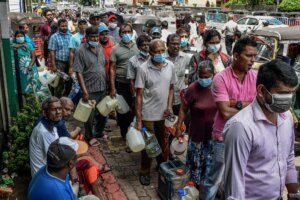
At least that was so until April 2021, when ex-president Gotabaya Rajapaksa banned agrochemicals, boasting to make Sri Lanka the world’s first 100% organic country. Production quickly dropped by 40%. When he fled the country due to riots in July, 7 out of 10 families were cutting down on food, and 1.7 million Lankan children risked dying from malnutrition.

Follow the latest news and policy debates on sustainable agriculture, biomedicine, and other ‘disruptive’ innovations. Subscribe to our newsletter.

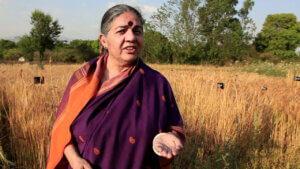
This political turmoil and agricultural collapse were triggered in Sri Lanka by fearmongering organic ideologues: the likes of Vandana Shiva in India, and activists like Dr. Ranil Senanayake, who recently came out of the ashes to re-scare Sri Lankans back into its ruinous organic policies.

Organic-friendly agrochemical policies cater to wealthy elites demanding choice foods from limited harvests. Meanwhile, ordinary farmers and citizens in Sri Lanka and other nations struggling with dense populations face famine. Even Europe and America, if divested of its agrochemicals, would face the harvests of the Dust Bowl era and struggle with famine, pestilence, and instability.

American leaders should not follow Sri Lanka’s or the EU’s footsteps. When scaremongering – not science – determines agricultural policies, citizens go hungry.


This is an excerpt. Read the original post here

Related Articles

Infographic: Global regulatory and health research agencies on whether glyphosate causes cancer

Infographic: Global regulatory and health research agencies on whether glyphosate causes cancer

Does glyphosate—the world's most heavily-used herbicide—pose serious harm to humans? Is it carcinogenic? Those issues are of both legal and ...

Most Popular

ChatGPT-Image-Mar-10-2026-01_39_01-PM
Viewpoint—“Miracle molecule” debunked: Why acemannan supplements don’t work
Screenshot-2026-09-10-at-11.50.46-AM
Did COVID vaccines kill 2,500 service members? RFK Jr. hires an investigator who compares vaccine promoters to Nazi doctors
ChatGPT-Image-Sep-13-2026-10_24_17-AM
Bayer urges court to approve $7.25 billion Monsanto Roundup settlement that could limit its future liabilities
ChatGPT-Image-Sep-15-2026-06_05_13-PM
CRISPR fine-tuning unlocks vitamin C-rich potatoes without yield loss
Screenshot-2026-09-11-at-2.26.23-PM
Newly approved GMO chestnut trees planted across from the White House are stirring debate
ChatGPT-Image-Sep-15-2026-05_59_18-PM
RFK Jr. spent two years distancing himself from Children’s Health Defense. Now he’s keynoting its anti-vaccine DC conference.
Screenshot-2026-09-10-at-12.20.19-PM
'Jet fuel didn't melt the steel': 9/11 conspiracy theories debunked
ChatGPT-Image-Aug-28-2026-03_33_46-PM
Viewpoint: Bad science—Five bogus Trump administration claims about vaccines and autism
Screenshot-2026-09-15-at-11.04.54-AM
Viewpoint: Childhood deaths in dispute: Why the CDC vs Pennsylvania conflict over measles vaccines matters
Screenshot 2026-09-10 at 11.28
A meaty problem: How to make cell-grown protein taste like steak, chicken, and seafood
ChatGPT-Image-Aug-14-2026-11_16_47-AM
Fibermaxxing: Latest Instagram diet craze raises hope that a fiber-rich diet can improve health
ChatGPT-Image-Sep-2-2026-10_30_14-PM
Zero: That is the official American measles death toll for 2026. Here is what RFK Jr.’s CDC leaves out.
glp menu logo outlined

Get news on human & agricultural genetics and biotechnology delivered to your inbox.