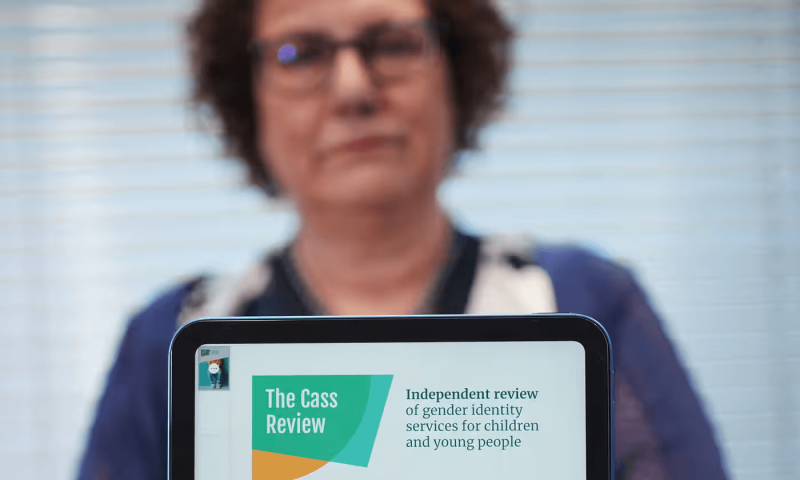

In a world without partisan politics, the Cass report on youth gender medicine would prompt serious reflection from American trans-rights activists, their supporters in the media, and the doctors and institutions offering hormonal and surgical treatments to minors. At the request of the English National Health Service, the senior pediatrician Hilary Cass has completed the most thorough consideration yet of this field, and her report calmly and carefully demolishes many common activist tropes. Puberty blockers do have side effects, Cass found. The evidence base for widely used treatments is “shaky.” Their safety and effectiveness are not settled science.
What Cass’s final document finds, largely, is an absence. “The reality is that we have no good evidence on the long-term outcomes of interventions to manage gender-related distress,” Cass writes. We also don’t have strong evidence that social transitioning, such as changing names or pronouns, affects adolescents’ mental-health outcomes (either positively or negatively). We don’t have strong evidence that puberty blockers are merely a pause button, or that their benefits outweigh their downsides, or that they are lifesaving care in the sense that they prevent suicides.
…
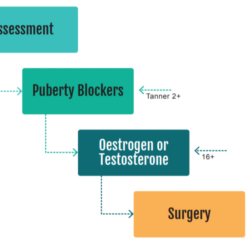




What Cass does feel confident in saying is this: When it comes to alleviating gender-related distress, “for the majority of young people, a medical pathway may not be the best way to achieve this.” That conclusion will now inform the creation of new state-provided services in England.