Organic farming and the ‘healthy foods’ industry have generated many food myths. Here are 7.

organic-organic-food-food-food-drink-9e8af6-1024

In today’s grocery stores, it’s hard to avoid the barrage of labels plastered across nearly every food product. From “organic” to “non-GMO,” “antibiotic-free,” and “hormone-free,” these labels can easily make your head spin. While these tags might seem like they offer crucial insights into the quality of your food, the truth is that many of them are more about marketing than science.

Mis- and disinformation are distorting science and public policy. Subscribe to our Daily and Weekly Digests for incisive coverage of ‘disruptive’ innovations in AI, agricultural biotechnology, food, chemicals, nuclear energy, vaccines, and other disruptive innovations.

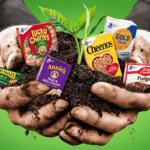
1. Organic Means Pesticide-Free

One of the most common myths is that organic produce is grown without pesticides. The truth? Organic farming does use pesticides—just not synthetic ones. Organic farmers rely on natural pesticides derived from plants, minerals, or other naturally occurring substances. While these may or may not be considered safer for the environment, they are not necessarily less toxic than synthetic pesticides. 
3. Antibiotic-Free Means Healthier Meat

The “antibiotic-free” label is another one that often misleads consumers. While it is true that antibiotics may sometimes be used in animal agriculture to treat disease, strict regulations ensure that meat from treated animals is safe to eat. Antibiotics are carefully administered under veterinary supervision, and there are mandatory withdrawal periods to ensure that any residues are gone before the animal is processed for food.


This is an excerpt. Read the original post here

Related Articles

Infographic: Global regulatory and health research agencies on whether glyphosate causes cancer

Infographic: Global regulatory and health research agencies on whether glyphosate causes cancer

Does glyphosate—the world's most heavily-used herbicide—pose serious harm to humans? Is it carcinogenic? Those issues are of both legal and ...

Most Popular

ChatGPT-Image-Sep-2-2026-02_03_32-PM
AI data centers and water usage: It’s a genuine and growing problem
ChatGPT-Image-Mar-10-2026-01_39_01-PM
Viewpoint—“Miracle molecule” debunked: Why acemannan supplements don’t work
Screenshot-2026-09-16-at-2.26.42-PM
Viewpoint: How to ecologically damage America’s forests: Ban glyphosate
ChatGPT-Image-Sep-16-2026-11_28_54-AM
Viewpoint: Study links childhood vaccination to autism!!! Here’s how anti-vaxxers twist evidence to corrupt science
Screenshot-2026-09-20-at-9.03.54-AM
From Malaysia to the world: A pioneering science communicator reimagines global science communication for a digital age
Screenshot-2026-09-18-at-11.35.25-AM
RFK Jr.’s latest crank obsession: Protecting Americans from perfectly safe electromagnetic radiation
ChatGPT-Image-Sep-21-2026-10_18_59-AM-2
Viewpoint: Is corporate embrace of regenerative agriculture greenwashing?
ChatGPT-Image-Sep-20-2026-09_47_55-AM
Trump says he’ll require drugmakers to end multiple vaccine doses, reviving discredited autism claims
Screenshot 2026-09-18 at 10.26
Slowdown AI development? China acknowledges serious risks but sees warnings as U.S. ploy to control the technology
ChatGPT-Image-Sep-17-2026-12_28_43-PM
Vitamin D, omega-3 fish oil and glucosamine supplements could cause brain damage 
ChatGPT-Image-Sep-18-2026-10_49_24-AM
‘Symptom borrowing’: Young people are copying health problems they see on TikTok
Screenshot-2026-09-20-at-4.31.28-PM
White House drafting executive order to control what OMB Director Vought claims are “woke” NIH science grants
ChatGPT-Image-Sep-20-2026-04_22_32-PM
What’s Trump’s ‘AI Force’? Administration rushes to announce ill-defined watchdog agency and czar amid criticism of its resistance to curb AI acceleration
glp menu logo outlined

Get news on human & agricultural genetics and biotechnology delivered to your inbox.