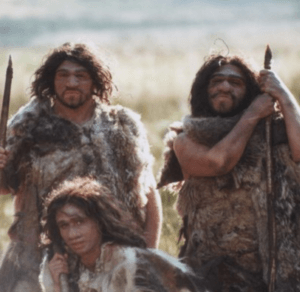
Ever since the first Neanderthal bones were discovered, people have wondered about these ancient hominins. How are they different from us? How much are they like us? Did our ancestors get along with them? Fight them? Love them? The recent discovery of a group called Denisovans, a Neanderthal-like group [that] populated Asia and Oceania, added its own set of questions.
Now, an international team of geneticists and AI experts are adding whole new chapters to our shared hominin history. Under the leadership of Joshua Akey, a professor [at] Princeton’s Lewis-Sigler Institute for Integrative Genomics, the researchers have found a history of genetic intermingling and exchange that suggests a much more intimate connection between these early human groups than previously believed.
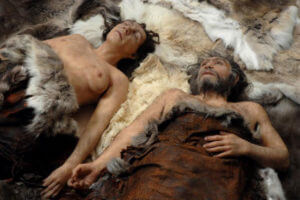


“I don’t like to say ‘extinction,’ because I think Neanderthals were largely absorbed,” said Akey. His idea is that Neanderthal populations slowly shrank until the last survivors were folded into modern human communities.